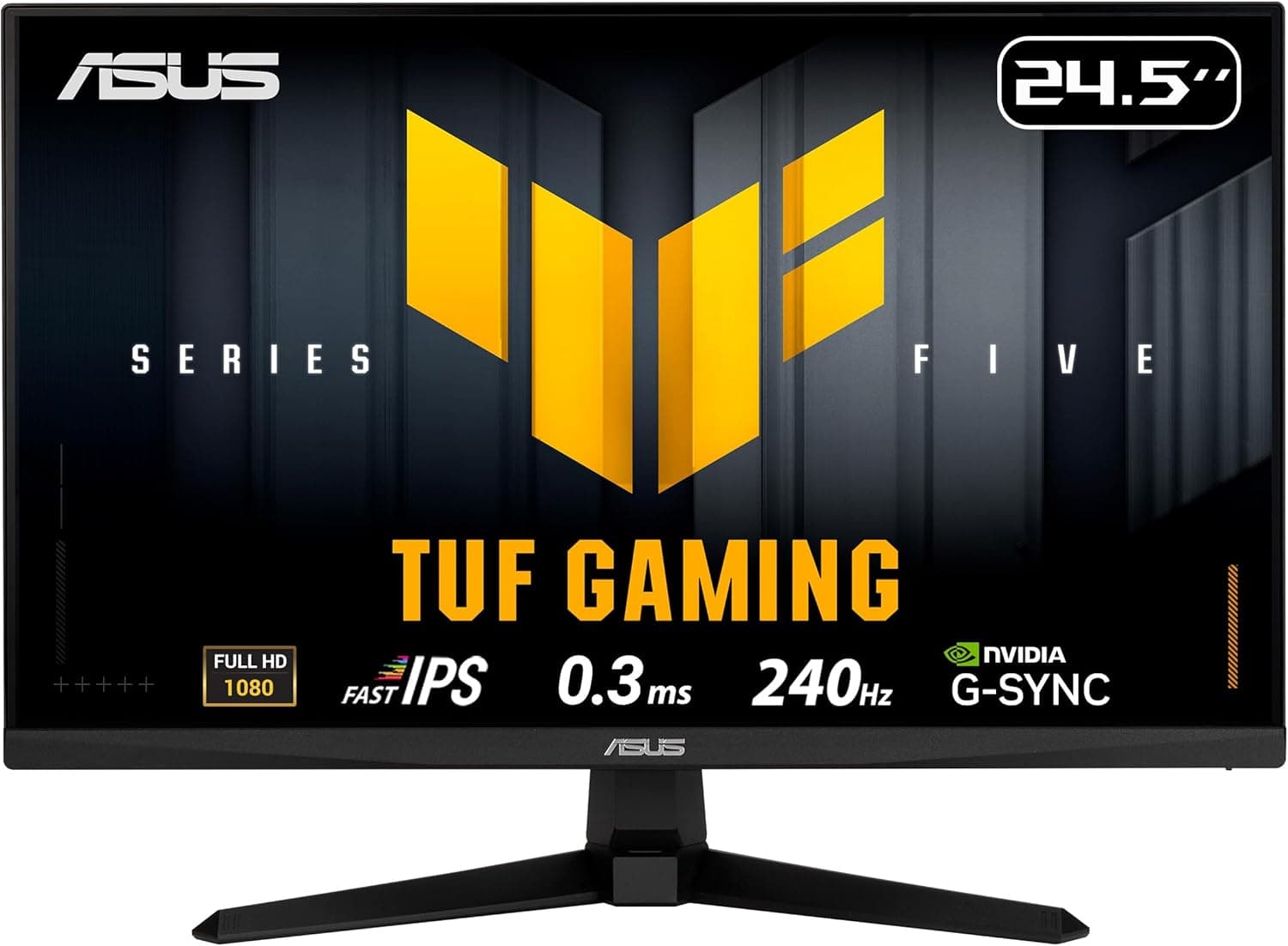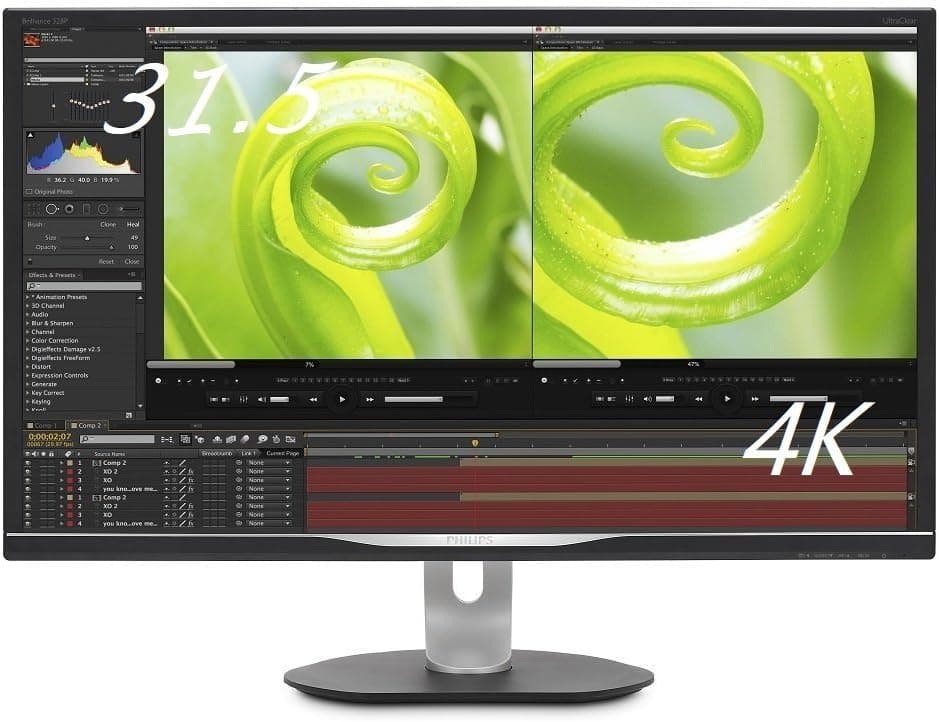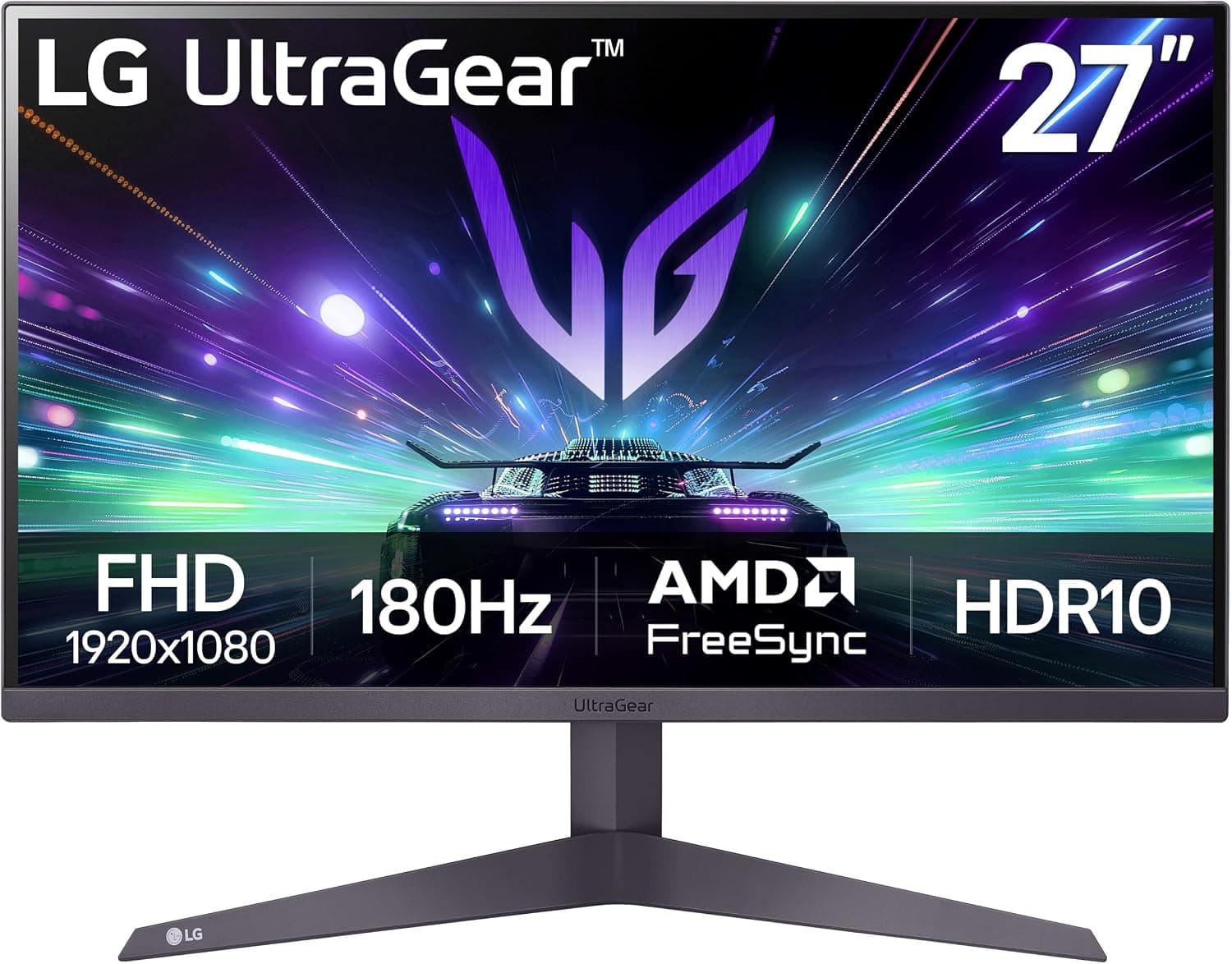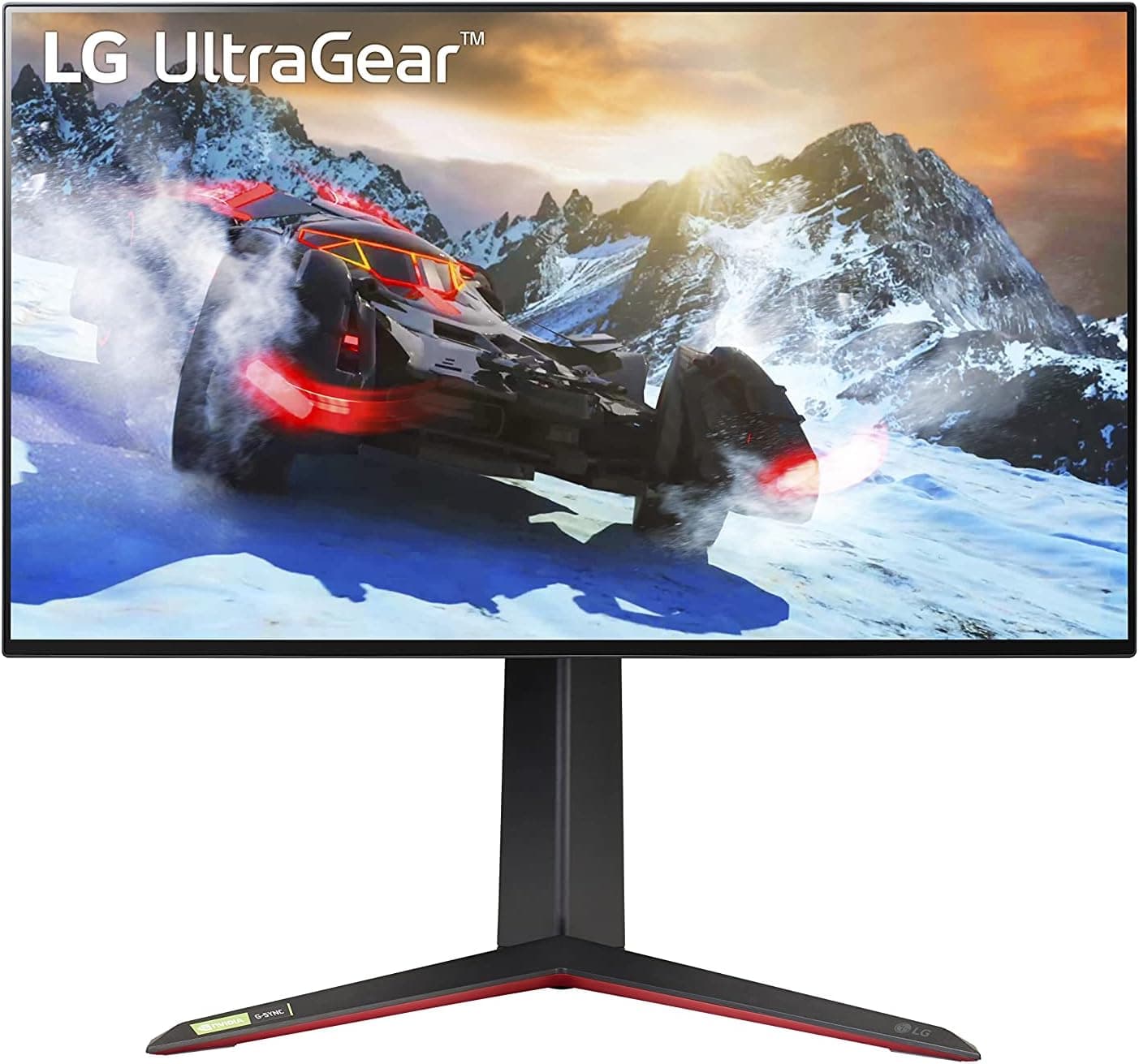
Overview
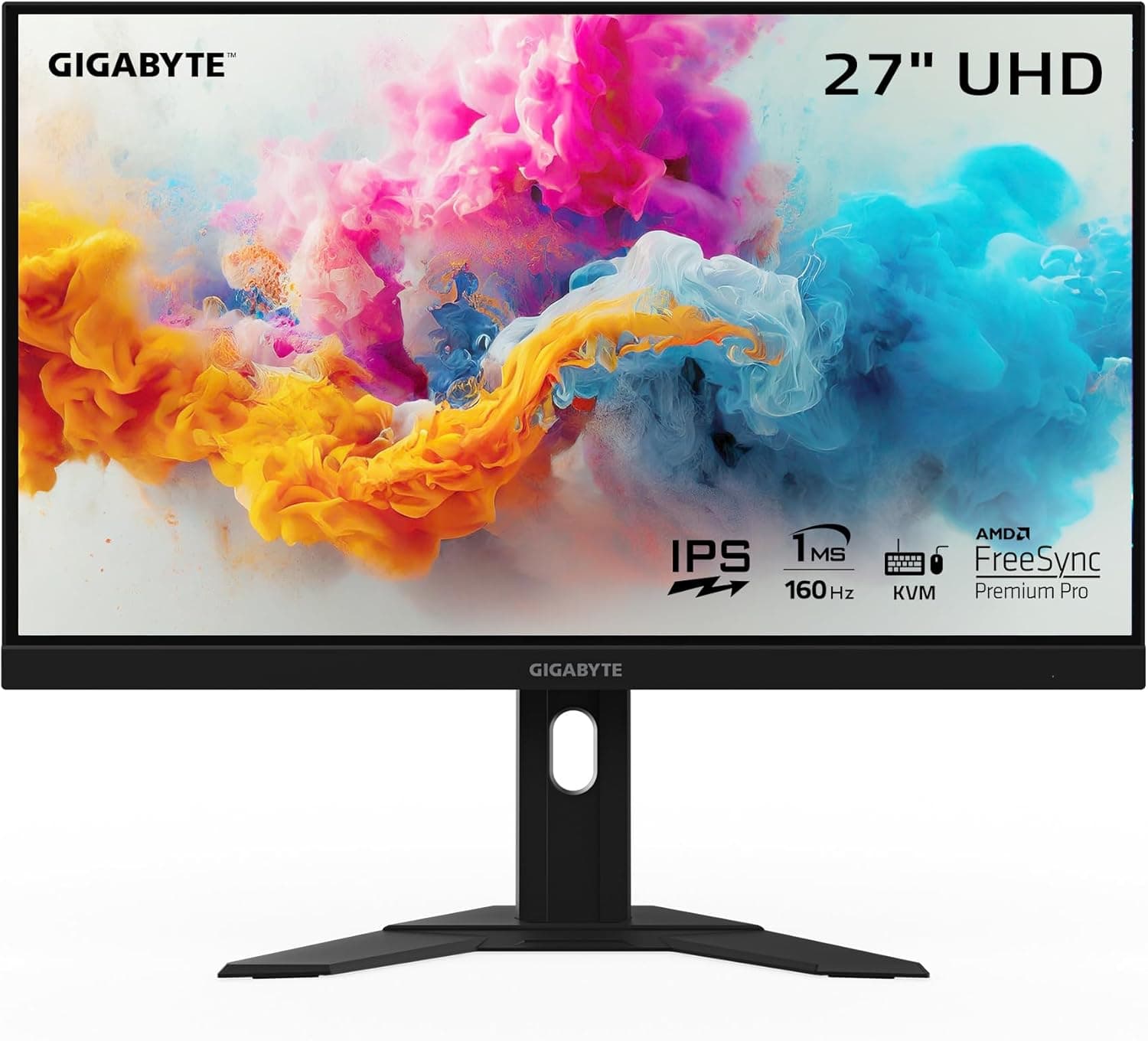
EVNIA is Philips' (TP Vision's) gaming display line, and this article covers its 23.8-inch class model.
On Amazon.co.jp it was listed at ¥16,500 as of the June 12, 2026 capture.
A 23.8-inch panel is the classic "competitive" size: at a typical desk distance of 50–70cm, the entire screen sits inside your field of view, so you catch edge-of-screen information without moving your head.
The short version: this monitor targets practical value, not spectacle. If you want the immersion of a 32-inch 1440p panel or the contrast of an OLED, look elsewhere.
If you play competitive titles, need a solid first gaming monitor, or want a sane second screen, 23.8 inches remains one of the most rational choices available.
One important caveat: the product listing for this item contains mismatched data. Read the "Before You Buy" section before ordering.
Three Things to Verify First
23.8-inch gaming monitors look alike but differ enormously inside. Check these three before anything else.
| Item | Why it matters | Rule of thumb |
|---|---|---|
| Resolution | Both 1920×1080 and 2560×1440 exist at this size | 1440p if you also work on it; 1080p if frame rate is king |
| Refresh rate | Determines the GPU and cable you need | Above 144Hz, cable and GPU support become mandatory |
| Panel type | Sets color, viewing angle, and response character | IPS for color, VA for contrast, TN for response |
The data supplied for this article did not include confirmed values for any of the three. So this article deliberately does not state them as fact — verify them on the product page and in the product images.
Get those three right and the rest of the decision is straightforward.
Compatibility Guide
Modern gaming monitors normally carry both HDMI and DisplayPort inputs. In practice, failures happen on the cable and GPU side, not the monitor side.
Buy a high-refresh panel, plug in an old HDMI cable, and you may be stuck at 60Hz without realizing it. After setup, open Windows Advanced Display Settings (or macOS Displays) and confirm the refresh rate actually matches what you paid for.
Running at 60Hz forever is the single most common wasted purchase in this class.
On the GPU side: at 23.8 inches and 1080p, a recent mid-range card clears high frame rates in most titles.
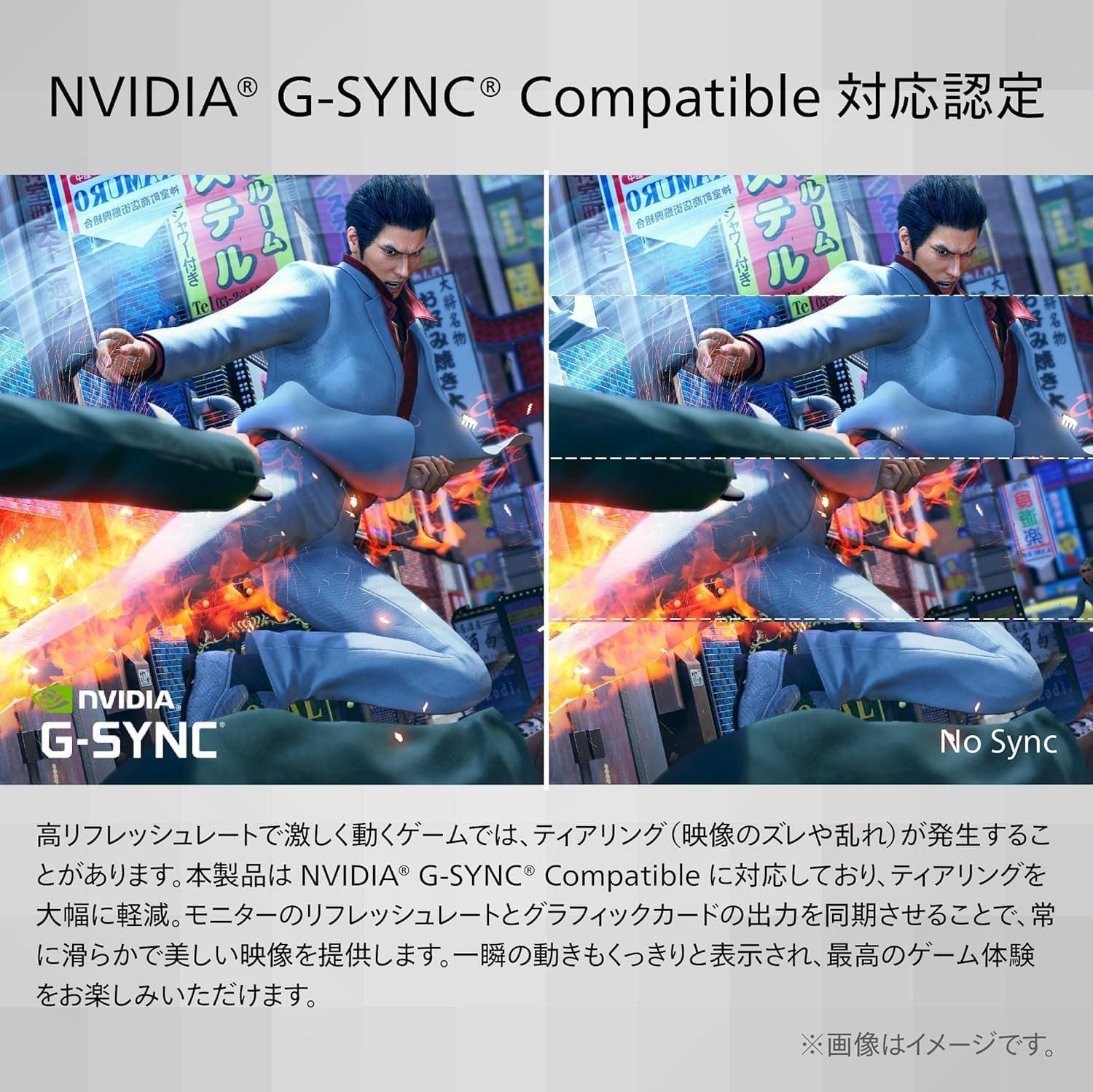
At 1440p, the demand steps up and you should expect to trade some image-quality settings for frame rate. Whether the monitor supports variable refresh rate (G-SYNC Compatible / FreeSync) should be confirmed on the product page; where supported, DisplayPort tends to be the more stable connection.
Physically, a 23.8-inch monitor is usually around 54cm wide with roughly 20cm of stand depth.
On a shallow desk, or if you pull your keyboard well forward, that stand depth matters. If you plan to use a monitor arm, confirm VESA mount support (100×100mm is typical) before buying — some slim-stand gaming monitors omit it entirely.
Finally, check whether the power supply is internal or an external brick. External adapters add cable clutter under the desk and need a free outlet with clearance.
Product Info
The listed price was ¥16,500 (tax included) as of the June 12, 2026 capture on Amazon.co.jp.
Sales and coupons move this figure, so check the product page for the current price. That places it mid-pack for a 23.8-inch gaming monitor.
Cheaper options exist, but most of them cut refresh rate, panel quality, or stand adjustability.
As of the June 2, 2026 capture, the listing carried 447 reviews at 4.4 out of 5 stars (88% positive).
A three-digit review count means this is not an obscure low-volume item. A 4.4 average is slightly above typical for monitors in this bracket: displays attract low ratings from shipping damage and dead pixels, so 5.0 essentially never happens, while anything under 4.0 usually signals real quality-control problems.
4.4 reads as "not a landmine."
The marketplace entry (eBay) returned no concrete figure and depends on current listings. Parallel-import units carry different warranty terms than domestic stock, so if the price gap is small, domestic is the safer buy.
How It Compares
In the 23.8–25-inch bracket, Dell's Alienware models push harder on raw refresh rate, and that's where to look if frame rate is everything.
Move up to 31.5-inch, ultrawide, or OLED and you gain real immersion and screen area — at several times the price.
The Philips EVNIA 23.8-inch model isn't competing in the middle of that range.
It occupies the slot where you want a restrained price plus a known manufacturer's warranty and support channel. Philips has a long history in displays, so the no-name-brand risk of "nobody answers when the unit arrives dead" is comparatively low.
Best Use Cases
Easy to recommend if you are:
- A competitive player — 23.8 inches minimizes eye travel and keeps screen edges in view.
- Buying your first gaming monitor — this class avoids severe compromises at a sub-¥20,000 price.
- Adding a second screen — around 54cm wide, it pairs with a 27-inch main display without wrecking your desk.
- Using it with a laptop — at 1080p, native scaling keeps text crisp and avoids scaling headaches.
- Someone who values warranty coverage — a clear support path beats an unbranded panel.
Skip it if you edit photo or video color professionally, or if cinematic immersion in open-world games is your priority. This size and price tier was never aimed at you.
Before You Buy
The most important point first: the automatically collected data attached to this listing (ASIN: B0DCNKQBN3) clearly contains information from a different product. The spec fields list things like "cable length 0.9m," "USB-A to Micro USB," and "480Mbps" — specifications for a USB cable, not a monitor.
This is almost certainly a data-collection mix-up, and none of those values are used in this article. You may encounter the same inconsistency when you open the product page.
Listing metadata (spec tables, related-item panels) is sometimes wrong, so confirm the product against the images, the title, and the manufacturer's official product page before ordering.
Second, "supports high refresh rate" and "is running at high refresh rate" are different things. As noted above, plenty of buyers never leave 60Hz.
If refresh rate is why you bought it, the post-setup check is part of the purchase.
Third, stand adjustment is what gets cut at this price. Height adjustment and pivot are frequently omitted, leaving tilt only.
A screen at the wrong height puts real strain on your neck and shoulders, so if adjustment is limited, budget for a monitor arm or riser on top of the purchase.
Fourth, do not expect anything from built-in speakers. Even when present, small drivers in a thin chassis produce essentially no bass.
Plan on a headset or external speakers.
Finally, dead pixels. LCD panel standards tolerate a certain number of defective pixels, and some manufacturers exclude them from warranty coverage.
If that bothers you, check the seller's dead-pixel policy before ordering rather than after.
FAQ
Q. Isn't 23.8 inches too small for gaming? A.
It depends on distance. At 50–70cm on a desk, 23.8 inches fits entirely within your field of view.
Put a 32-inch panel at that same distance and you'll be turning your head to check the edges. It's too small for couch viewing, but fine for desk use.
Q. Can I connect a PlayStation or Nintendo Switch? A.
Yes, if it has an HDMI input. But the console's output resolution and refresh rate must match what the monitor accepts to get full performance.
Check both sides' supported modes first.
Q. Is ¥16,500 a good time to buy? A.
That was the price as of the June 12, 2026 capture and it will change. This category moves noticeably during major sales, so if you aren't in a hurry, watching the price trend is reasonable.
Always confirm the current price on the product page.
Q. Will a monitor arm work? A.
Yes, if the monitor supports VESA mounting. Some don't, so confirm the VESA specification (usually 100×100mm) on the product page.
Q. Is it usable for office work? A.
Yes, though a 23.8-inch 1080p panel shows less at once than, say, a 27-inch 1440p display.
For long sessions of spreadsheets or code, consider a higher-resolution model or a dual-screen setup.
Product Disclosure (Amazon)
- ASIN: B0DCNKQBN3
- Note: This article covers a manufacturer-made product based on Amazon listing details.