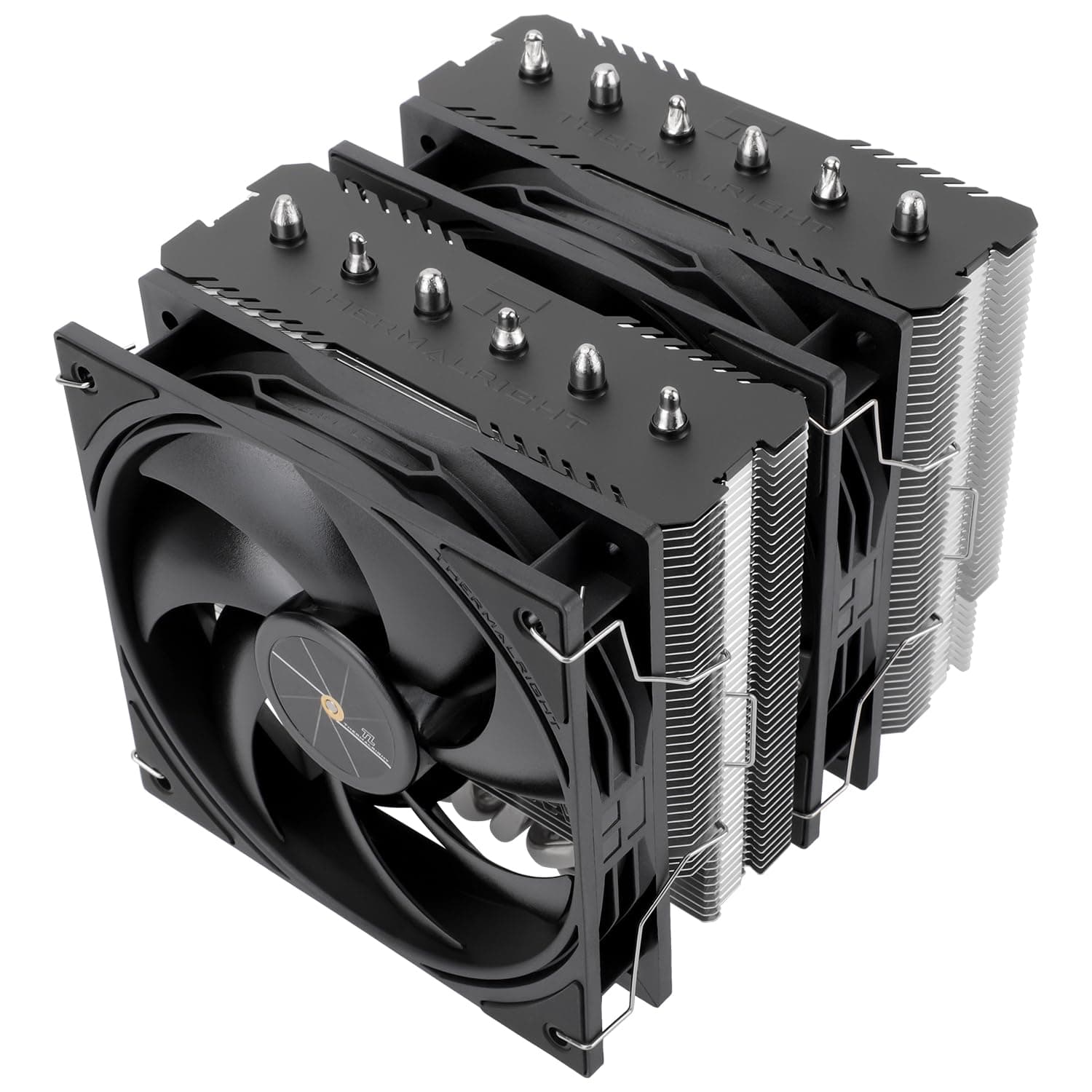
Overview
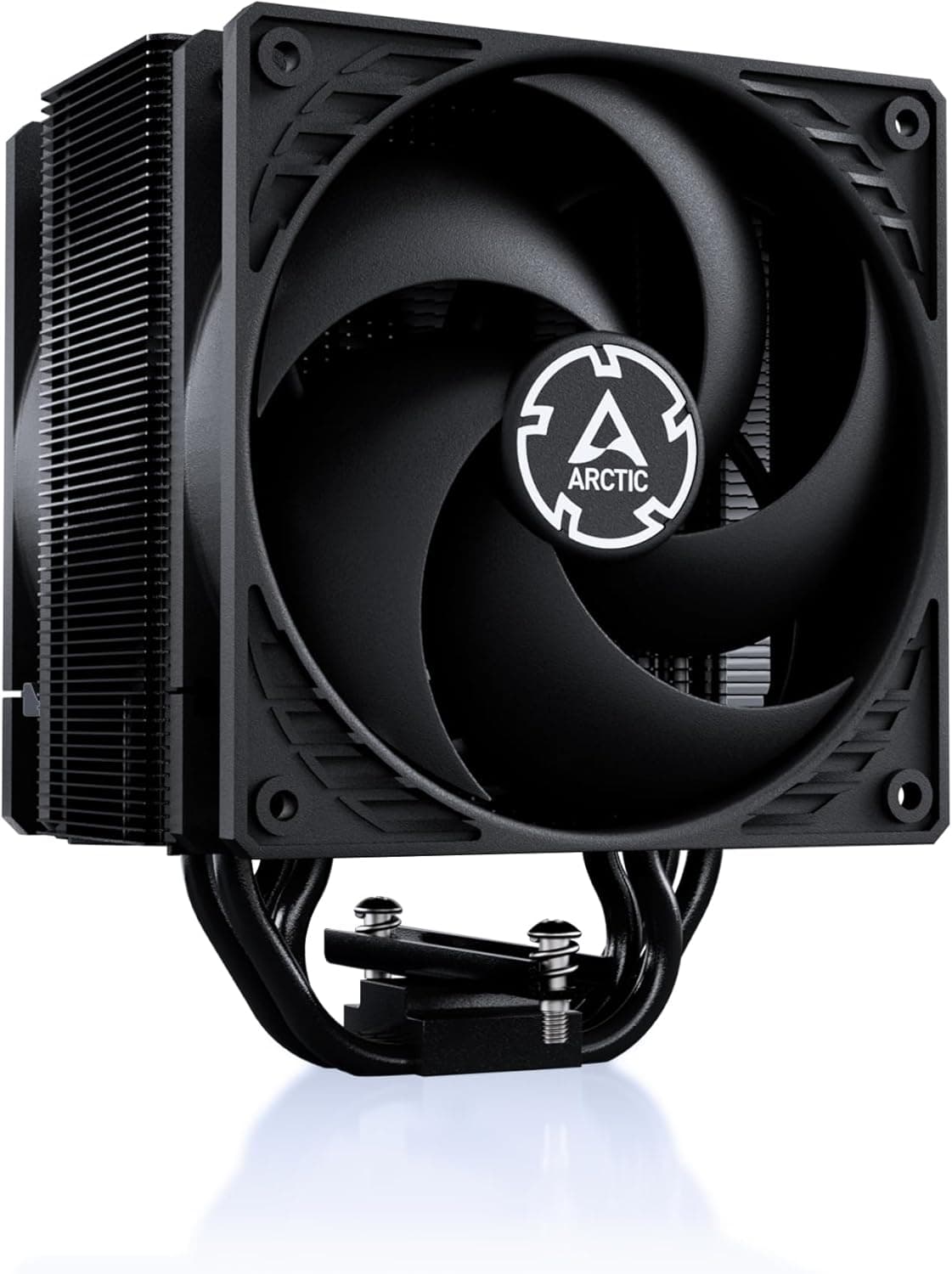
The Thermalright Peerless Assassin 120 SE V3 is a dual-tower air CPU cooler built around two 120mm fans. The short version: if you want to cool a mainstream mid-to-high-end CPU quietly and cheaply, this is the first product to put on your shortlist — worth evaluating before you commit to an all-in-one liquid cooler.
The reason this line earned its reputation is simple. It delivers a push-pull layout across two fin stacks at a price that competes with single-tower coolers.
As captured in June 2026, the Amazon.co.jp review summary showed 102 reviews at 4.8 out of 5 stars — a 96% positive score.
That is not a huge sample, but the ratings are not polarized, which suggests there is no widespread complaint about dead-on-arrival units or impossible installs.
It is not, however, a universal answer. Being a dual-tower air cooler means physical size is its main weakness. Read the `
Compatibility Guide
and## Before You Buy` sections below before ordering.
Why a Dual-Tower Air Cooler
Air coolers fall roughly into single-tower side-flow designs (the Cooler Master Hyper 212 family being the classic example), dual-tower designs, and top-flow designs. Dual-tower coolers like this one gain fin area and airflow, so they handle a clearly higher heat load than a single tower.
Compared with an AIO, the advantage is that the only moving parts are the fans. There is no pump noise to worry about, no coolant to leak, and no pump lifespan to plan around.
You also do not need radiator mounting space — the case requirement reduces to a single question: does the cooler's height fit? That simplicity is why air cooling still wins in always-on machines and workstations meant to last.
The trade-offs are that all the heat is dumped into the case, and the cooler physically covers a large area around the CPU socket. If your case has weak airflow or you plan to use tall memory, both of those matter.
Compatibility Guide
Four things to check: socket support, overall height, memory clearance, and case internals.
Socket support. The Peerless Assassin 120 series has shipped with mounting hardware for Intel LGA1700 / LGA1200 / LGA115x and AMD AM4 / AM5.
Revisions such as the V3 can change which brackets are in the box, so support for newer sockets like LGA1851 may vary by batch. Write down your motherboard's socket name and verify it against the product page's compatibility list. If the bracket is not included, you are looking at a separate request to the manufacturer.
Overall height. The single most common failure with dual-tower air coolers is a side panel that will not close.
Coolers in this class typically land around 155mm tall — fine for most mid-tower cases, but very unlikely to fit slim or cube-style enclosures. Look up your case's stated maximum CPU cooler clearance and leave a few millimetres of margin.
Memory clearance. The front fan on a dual-tower cooler sits directly over the DIMM slots.
Standard low-profile modules are fine, but tall heatspreaders or RGB light bars often force you to raise the front fan — which increases total height. Check case clearance and memory height together. Checking only one of the two is where most people get caught out.
Case internals. The cooler rarely conflicts with a graphics card, but a narrow case squeezes the cable space behind the motherboard tray.
Installation also requires a backplate on the rear of the motherboard, so you may not be able to fit it with the board already screwed into the case. Confirm your case has a CPU cutout in the tray if you expect to swap coolers later.
Product Info
As captured on 12 June 2026, the Amazon.co.jp listing price was ¥8,025.
The overseas marketplace listing showed $48.35 as captured on 15 July 2026.
Both are prices at time of capture — products in this bracket move by thousands of yen with sales, exchange rates, and stock levels. Always confirm the current price on the product page.
On the performance side, as noted above, the capture showed 102 reviews at 4.8 out of 5 stars (96%).
Reviews of air coolers tend to reduce to two themes — "quieter than expected" and "bigger than expected" — and this product is no exception. Size and installation experience drive the ratings more than raw cooling numbers do.
One caveat: the listing data for this product was found to contain specification fields that clearly belong to a different product entirely — load capacity, VESA mounting patterns, and similar monitor-arm attributes. A CPU cooler does not have an 11.3kg load rating or a VESA 75×75mm pattern.
None of those values are used in this article. See the next section.
Comparison With Alternatives
The first comparison point is a single-tower cooler such as the Cooler Master Hyper 212 EVO V2 or Hyper 212 Halo White. Those are easier to live with in terms of height and memory clearance and fit almost any case.
A dual tower cools better, but if your CPU does not run hot, a single tower is arguably the more practical buy.
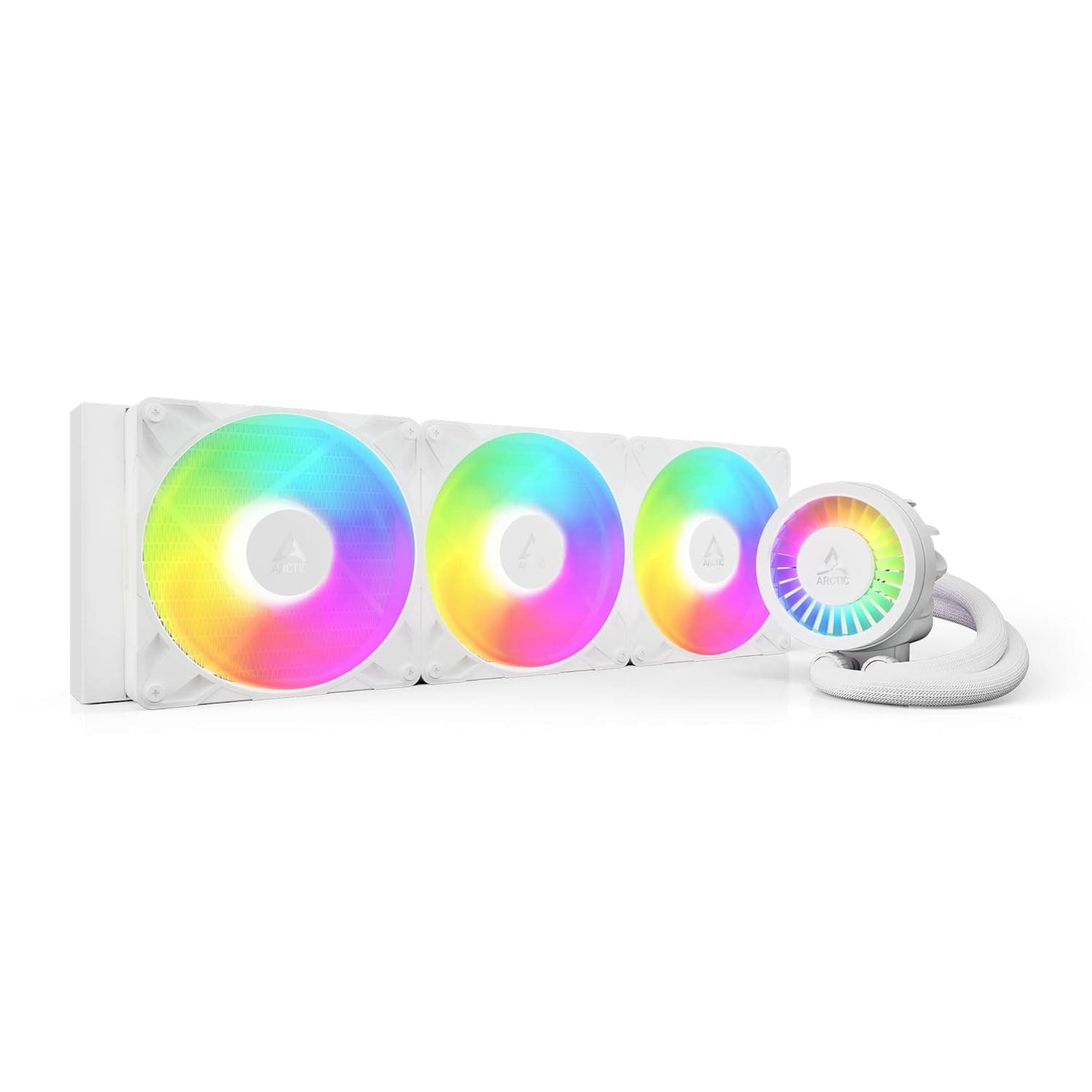
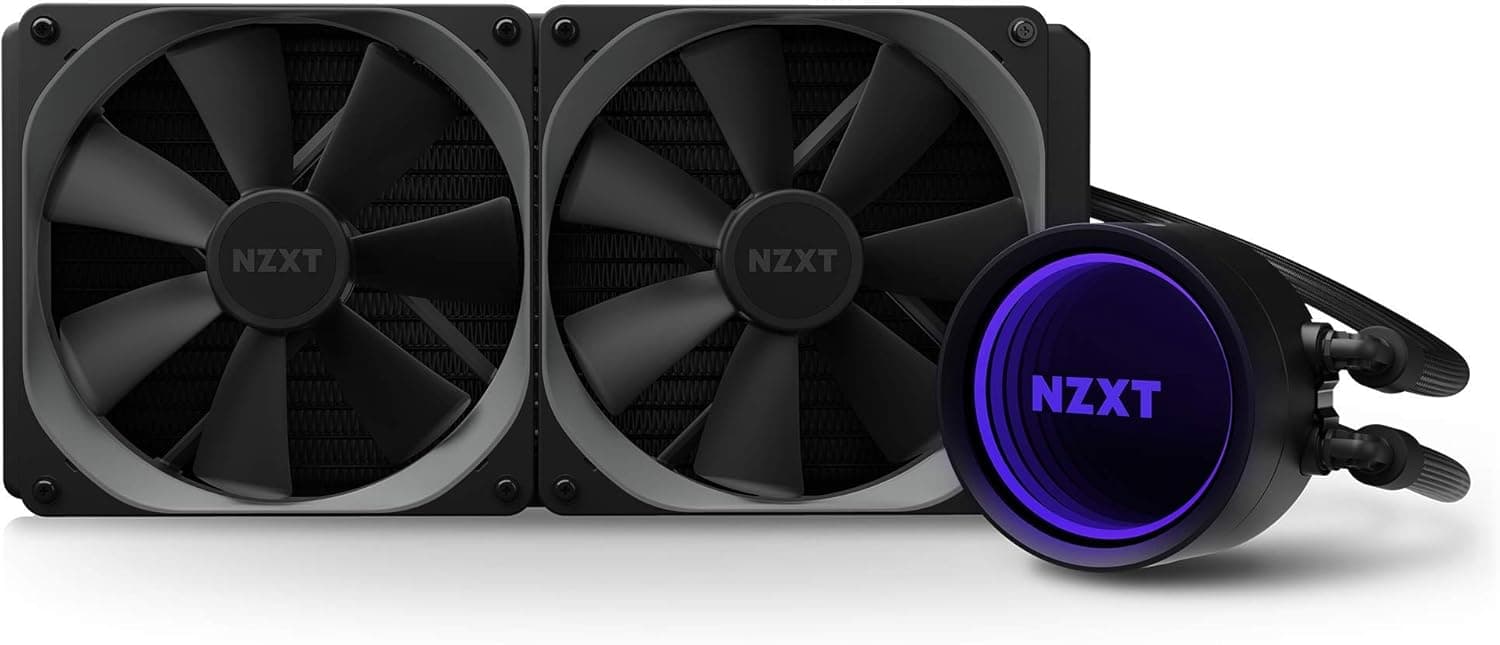
The second comparison point is a 240mm or 360mm AIO — the Corsair iCUE LINK line, ARCTIC Liquid Freezer models, NZXT Kraken units. They beat air on peak cooling and on looks, but usually cost two to three times as much and add a pump plus a radiator mounting requirement.
The real decision is whether you are buying aesthetics or buying simplicity, not which one cools better on paper.
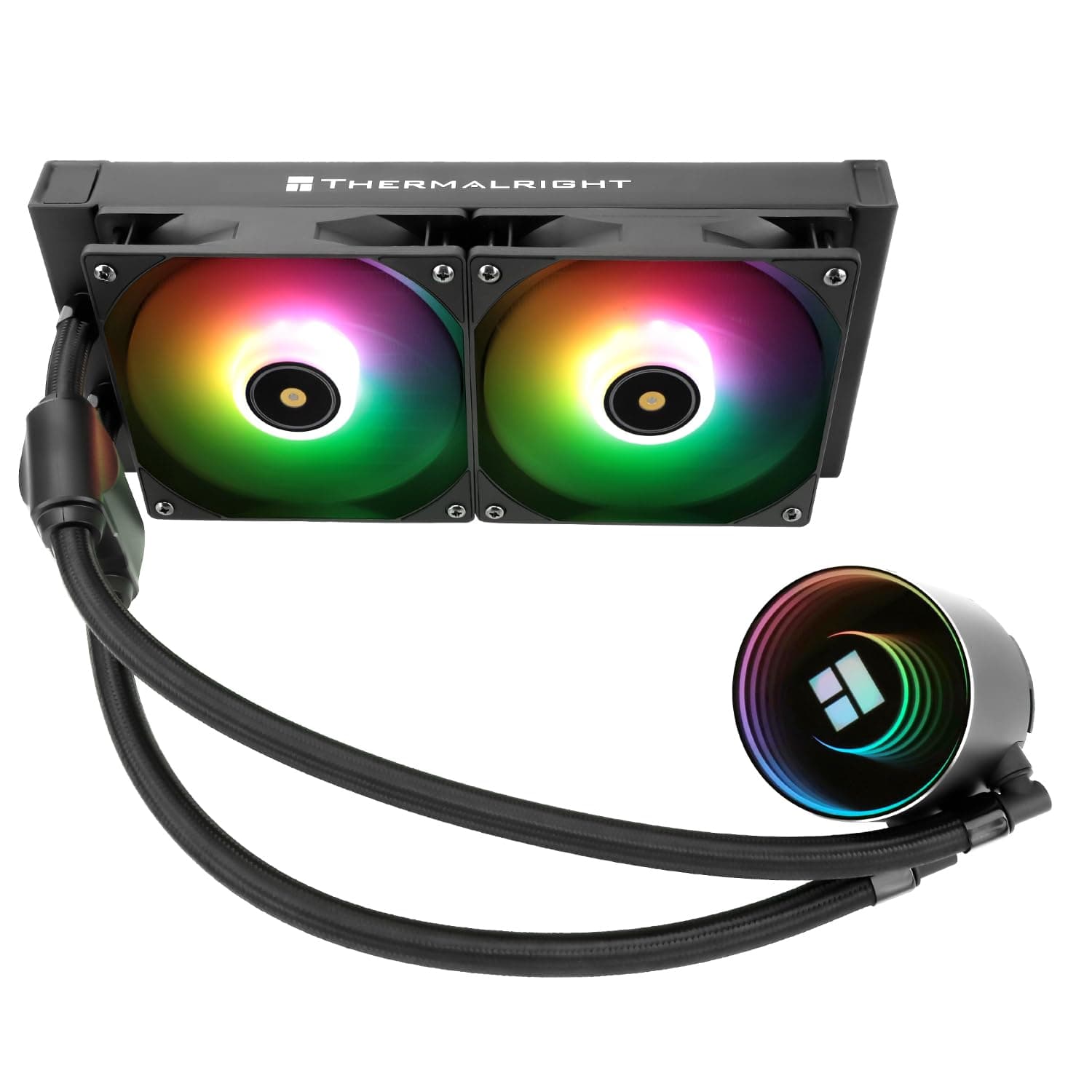
Thermalright's own Peerless Assassin 120 SE ARGB in white is also worth a look. The heatsink concept is close; choose based on whether you want lighting and which colour suits your build.
Best Use Cases
It suits mid-tower builders using standard-height memory who care about noise most of all. Whether you game or run long encoding jobs, a cooler in this class stays comfortably quiet at everyday loads.
It also suits anyone who does not want to accept pump failure or leak risk. For always-on machines and workstations kept in the same configuration for years, fewer moving parts is a real advantage.
Third, it suits builders who want to spend their budget on the GPU or CPU instead. Dual-tower cooling under the ¥10,000 mark keeps the cooling line item small without giving up performance.
It does not suit people who want a clean, uncluttered interior, people building around a coordinated RGB theme, or anyone using a small form factor case. If any of those describe you, an AIO or a low-profile cooler will make you happier.
Before You Buy
First, do not take the listing's registered data at face value. The source data referenced for this article contained fields that have nothing to do with a CPU cooler — an 11.3kg load rating, VESA 75×75mm / 100×100mm patterns, a 13–34 inch monitor size range, clamp and grommet mounting.
Those are monitor arm specifications. Listing mix-ups like this genuinely happen on Amazon.
Before buying, confirm from the product images, the title, and ideally the manufacturer's own product page that you are looking at the Peerless Assassin 120 SE V3. Socket support and height in particular will stop your build outright if you trust the wrong data.
Second, take the size seriously. As above, "it doesn't fit," "the side panel won't close," and "the RAM won't seat" are the dominant problems in this category.
Measure your case's maximum cooler height and your memory's heatspreader height before ordering.
Third, installation is not beginner-trivial. You remove the fans, screw down the heatsink, then refit the fans.
Reaching the centre screws usually needs a long screwdriver, and space is tight once the board is in the case. Fitting the cooler before the motherboard goes into the case is the reliable route.
Fourth, accept the limits with very hot CPUs. Run a high-end chip unrestricted at full load for hours and any air cooler will eventually throttle.
This product targets a good balance of temperature and noise, not the absolute lowest temperature — frame your expectations accordingly.
Finally, price. The captured figures are above, but this category sees large swings between sellers and sale periods.
The same model number can differ by thousands of yen depending on the seller, so check price and seller immediately before you buy.
FAQ
Q. Will it fit my case? A.
Check your case's stated maximum CPU cooler clearance. Coolers in this class are typically around 155mm tall.
If the numbers are close, leave a few millimetres of margin in case you need to raise the front fan.
Q. Can I use tall memory with it? A.
Usually yes, by shifting the front fan upward — but that raises total height. If you plan on tall heatspreaders, judge memory height and case clearance together.
Q. How does it compare with a 240mm AIO? A.
The AIO has a higher cooling ceiling, but air wins clearly on price and has no pump to fail. At everyday loads the noise gap narrows.
It comes down to looks and radiator space.
Q. Which sockets are supported? A.
The series has shipped supporting Intel's mainstream sockets plus AMD AM4 / AM5, but included brackets vary by revision and batch. Note your motherboard's socket and check the listing's compatibility table.
Q. Is thermal paste included? A.
This series generally ships with paste and mounting hardware in the box. Bundle contents can vary by batch, so check the included-items list if you have no paste on hand.
Product Disclosure (Amazon)
- ASIN: B0DMVVK2YT
- Note: This article covers a manufacturer-made product based on Amazon listing details.