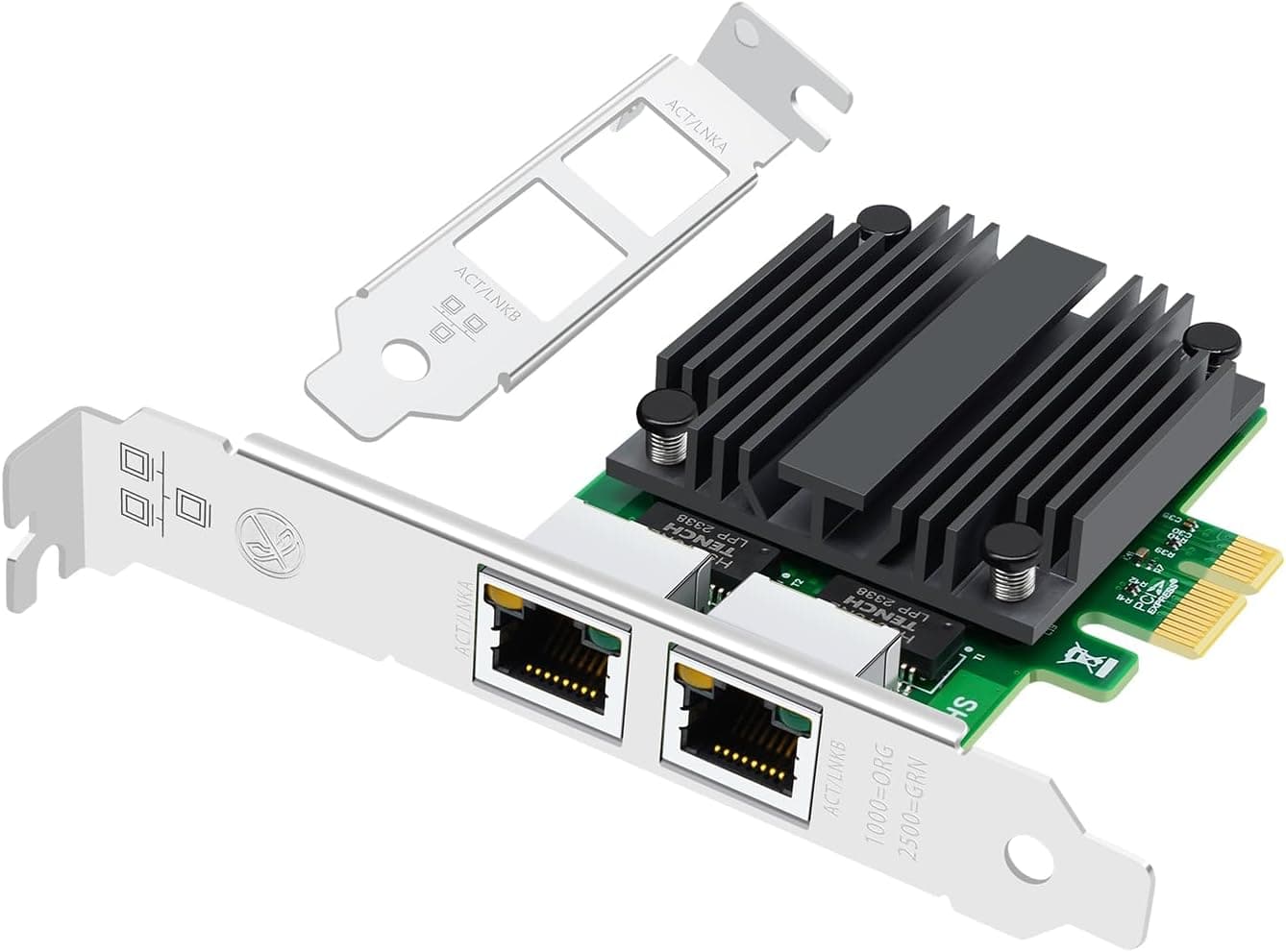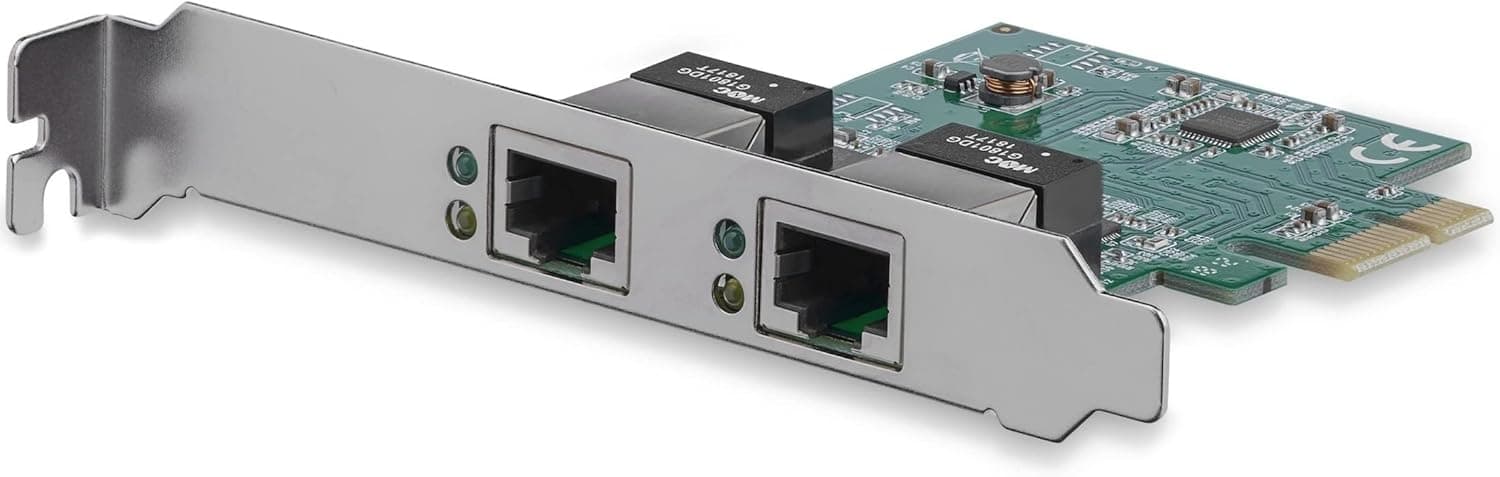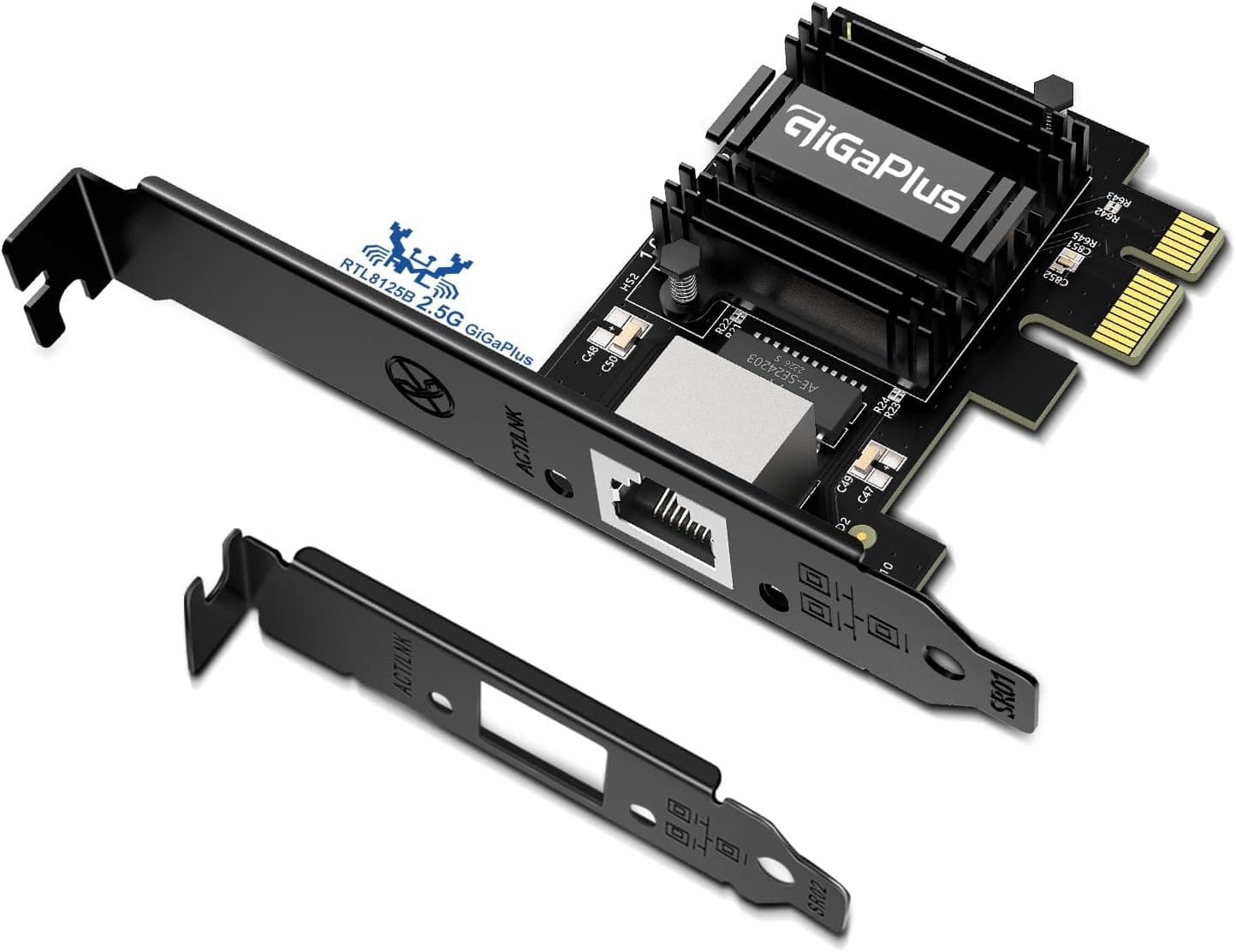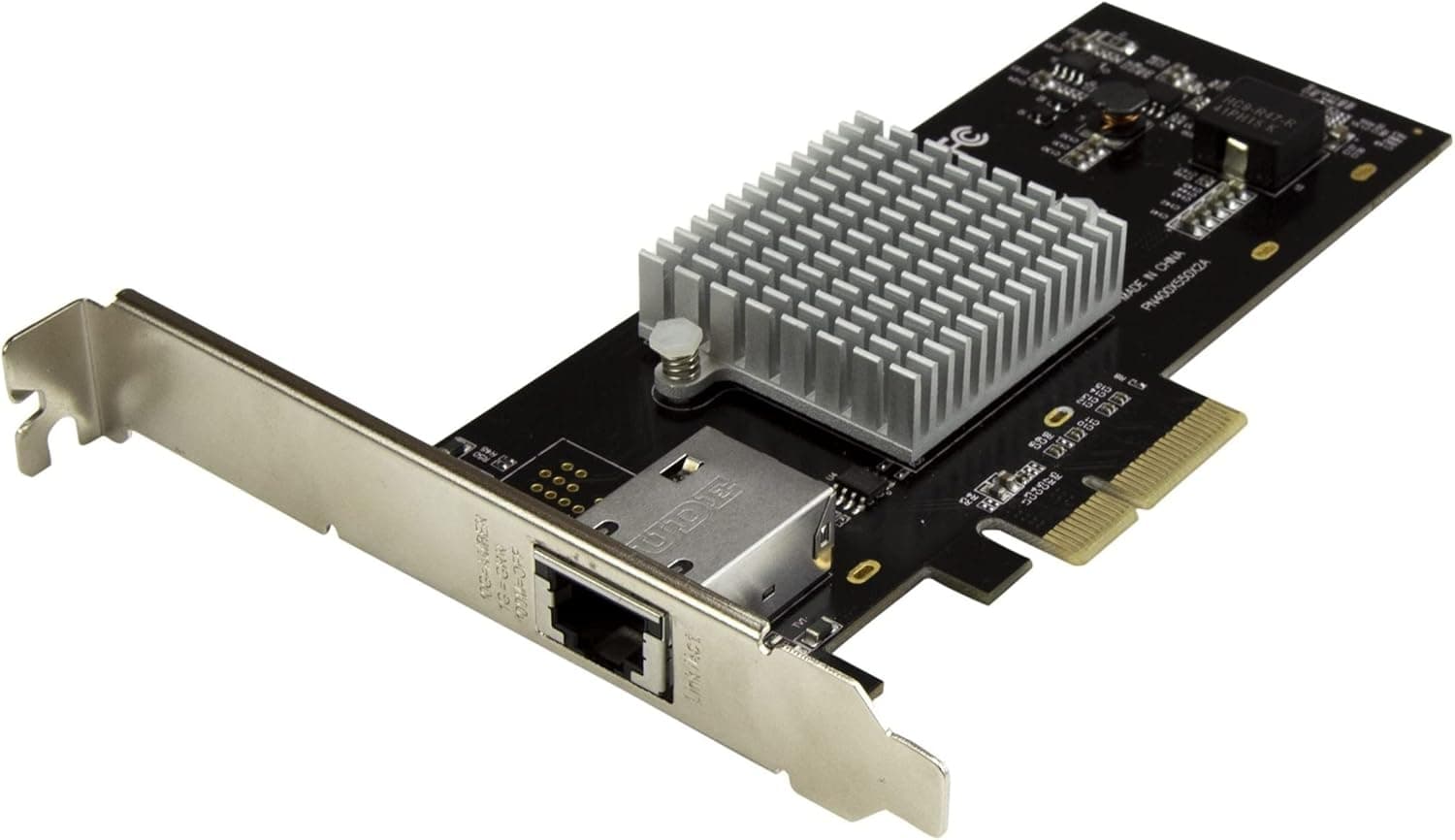
This article covers Dual-Port PCIe Gigabit Network Card 1000M PCI Express Ethernet Adapter with Intel 82576 Two Ports LAN NIC Card for Support PXE for Windows.
Overview
The ULANSeN Dual-Port PCIe Gigabit Network Card is a budget-friendly expansion card built around the Intel 82576 controller. It adds two 10/100/1000 Mbps RJ45 ports to any desktop or server via a single PCI Express x1 slot. The card supports a wide range of operating systems including Windows, Linux, FreeBSD, and DOS, making it a versatile choice for homelabs, small businesses, and legacy system upgrades. A low-profile bracket is included in the box, allowing installation in compact cases. The card also supports PXE remote boot, Wake-on-LAN, VLAN tagging, and jumbo frames, giving it essential features for network management and server use. For the price, it delivers solid gigabit connectivity without breaking the bank.
Connectivity & Compatibility
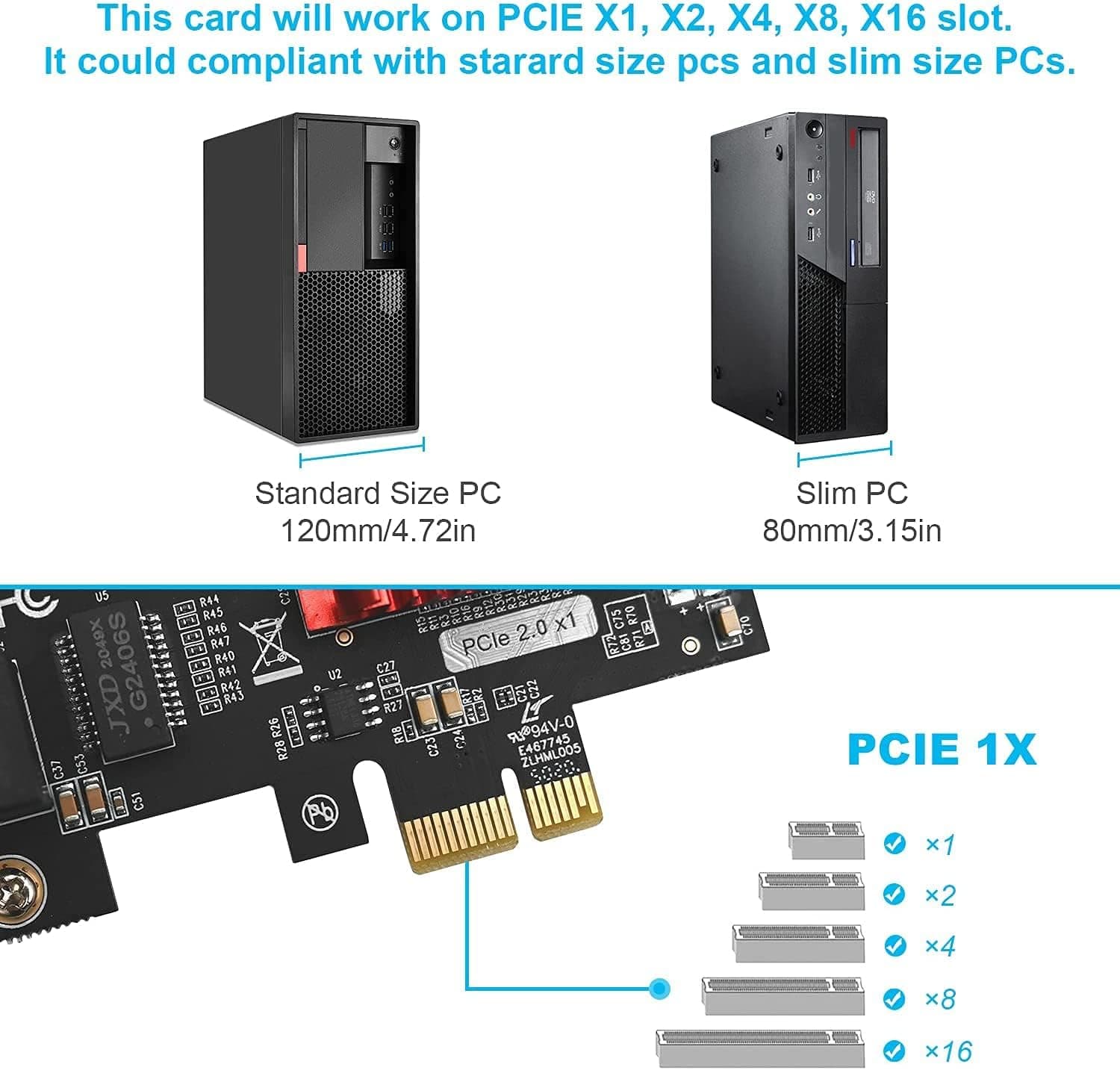
The network card uses PCI Express 2.1 x1 lane (2.5 GT/s) and is compatible with x1, x2, x4, x8, and x16 slots. Each of the two RJ45 ports supports 1000BASE-T, 100BASE-TX, and 10BASE-T with auto-negotiation and full/half-duplex. The Intel 82576 chipset provides broad driver support: Windows 7/8/10/11, Windows Server 2003–2012, Linux, FreeBSD, DOS, and VMware ESX (but not ESXi 7.0 or later). Additional management features include IPMI pass-through (SMBus/NC-SI), iSCSI boot, VLAN filtering, SNMP, and RMON. The card is ideal for adding wired ports to systems where onboard LAN is insufficient or faulty. It works in modern PCIe Gen3/Gen4 slots, though bandwidth is limited to the x1 lane speed—more than enough for two 1Gbps ports.
Product Info
Released around 2021, the ULANSeN dual-port NIC typically sells for about ¥11,000 in Japan ( price). It sits in the entry-level to mid-range segment, offering an Intel chipset at a competitive price compared to branded cards from Intel or HP. The package includes the main card, a low-profile bracket, and a quick-start guide. Warranty varies by seller but is generally 1 year. Market positioning: this card is an affordable alternative for users who need reliable dual gigabit ports without paying a premium for enterprise-grade hardware. It lacks 10GbE support and advanced offload features found in higher-end Intel X710/X550 series, but for most home server and office applications, the feature set is more than adequate.
Best Use Cases
Home server and NAS owners are the primary audience. If your motherboard has only one Ethernet port and you need to separate management traffic or set up link aggregation, this card is a cost-effective solution. The Intel chip ensures stable performance under load. However, if you require 10GbE, look elsewhere. Legacy PC upgraders can breathe new life into old systems with broken or slow onboard LAN. The card works in virtually any PCIe x1 slot, including older motherboards, and supports DOS for retro computing. It's not recommended for gaming, where Wi-Fi or a higher-end NIC might be more suitable. IT administrators needing PXE boot or iSCSI for deployment and storage will appreciate the built-in BIOS support. The card works well for network installations and could replace an aging server NIC. Note: VMware ESXi 7.0+ lacks native drivers, so check compatibility before deploying in virtualized environments. Users of legacy operating systems (DOS, old Windows Server, FreeBSD) will find the driver support refreshing. The card is a solid choice for maintaining industrial equipment or vintage systems that need network connectivity. It is not a good fit for high-throughput file servers or virtualization hosts requiring 10GbE.
Product Disclosure (Amazon)
- Manufacturer: ULANSeN
- Seller: 提灯
- Fulfilled by: 提灯
- ASIN: B09D3JL14S
- Note: This article covers a manufacturer-made product based on Amazon listing details.