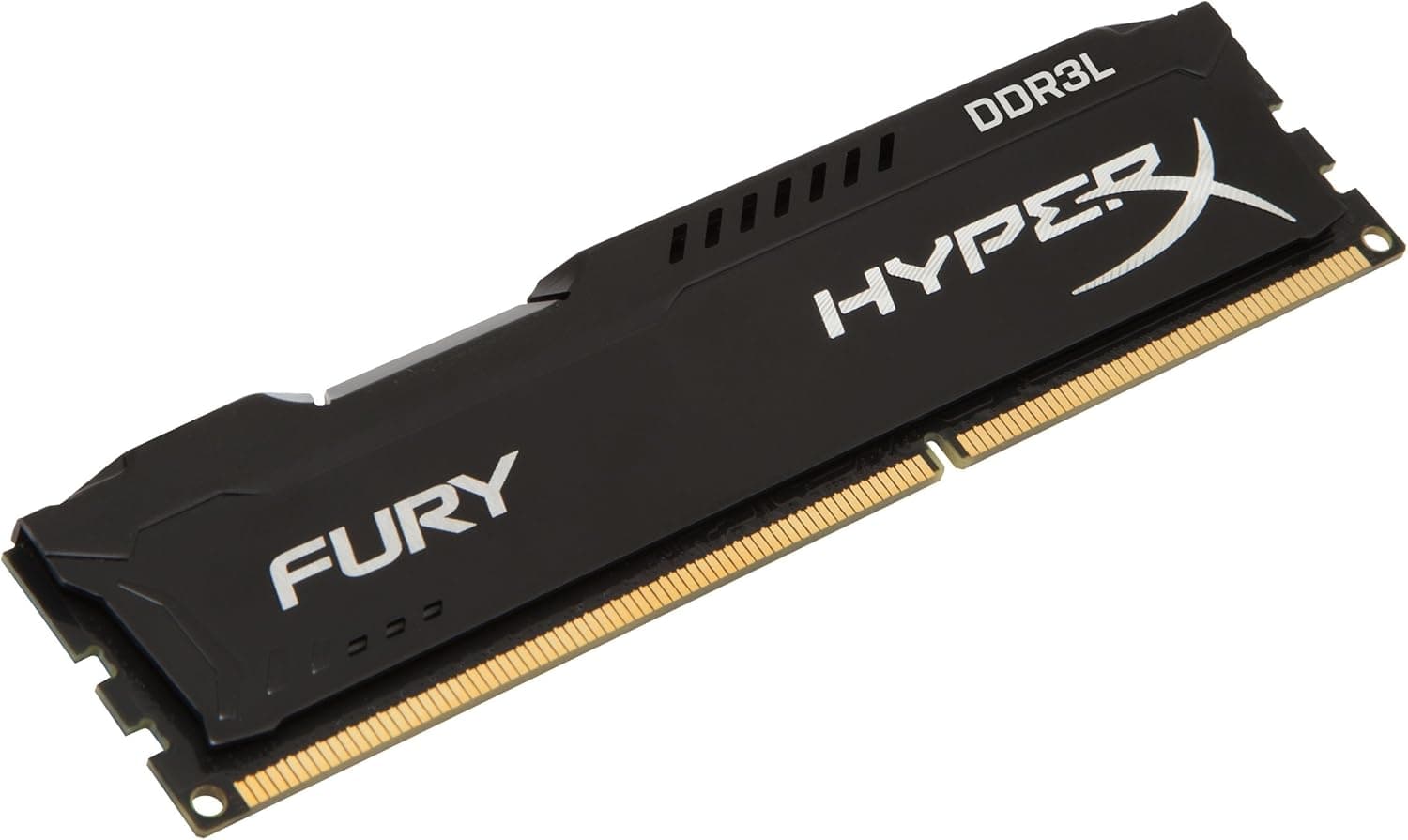
![Crucial [Micron製] DDR4 デスク用メモリー 16GB ECC (2133MT](/_next/image?url=https%3A%2F%2Fm.media-amazon.com%2Fimages%2FI%2F51sQ9cnO5eL._AC_SL1000_.jpg&w=1920&q=75)
This article covers Crucial [Micron製] DDR4 デスク用メモリー 16GB ECC (2133MT.
Overview
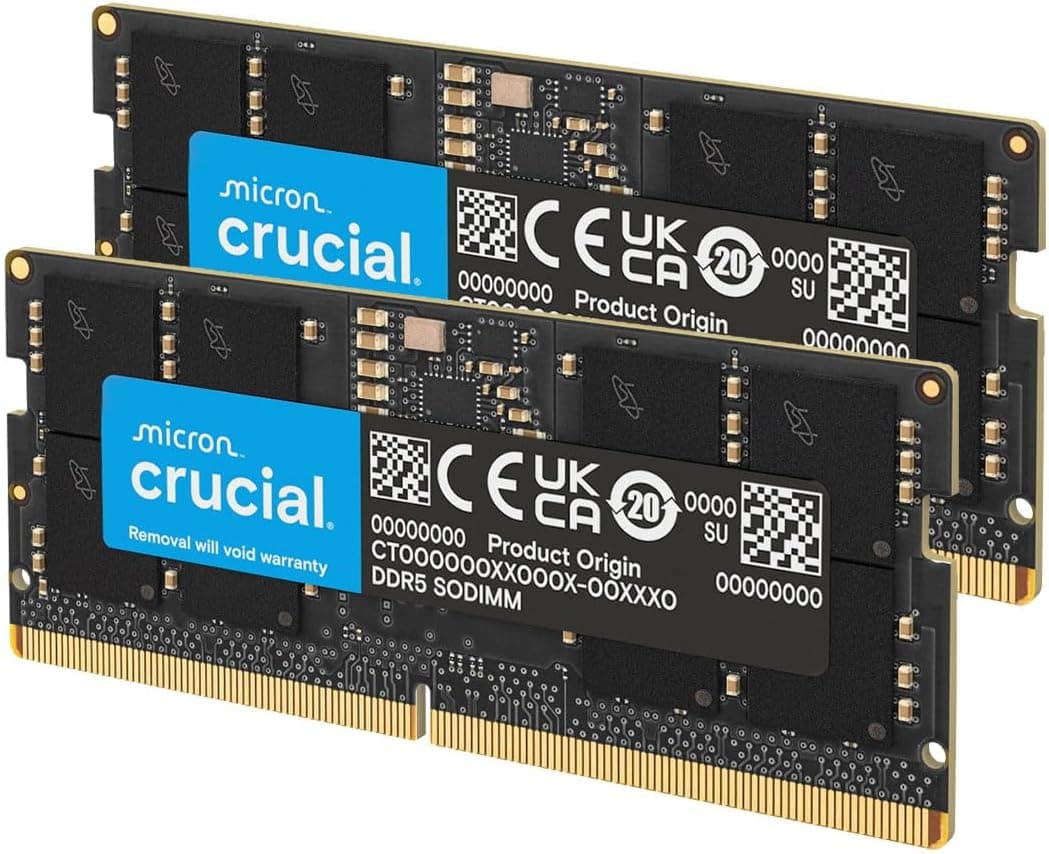
Crucial, a subsidiary of Micron, has long been a trusted name in memory modules. The CT16G4WFD8213 is a 16GB DDR4-2133MHz CL15 ECC Unbuffered DIMM designed for servers and workstations where data integrity is paramount. It uses a dual-rank (DR x8) configuration to improve memory bandwidth efficiency through parallel access. ECC (Error-Correcting Code) memory detects and corrects single-bit memory errors, making it ideal for systems that run 24/7 or handle critical data. While this module is priced around ¥26,000 (approximately $180 USD), the premium over non-ECC memory is justified by the added reliability. This memory targets users building or upgrading a workstation or server on a budget, offering a solid balance of capacity, reliability, and cost.
Compatibility Guide
The CT16G4WFD8213 is a 288-pin Unbuffered DIMM (UDIMM) conforming to the DDR4 standard. To utilize ECC functionality, both the motherboard and CPU must support ECC Unbuffered memory. Supported sockets: Intel Xeon (LGA2011, LGA2066, LGA1200, etc.), AMD Ryzen Pro, AMD Threadripper, and some Ryzen (non-Pro) with BIOS ECC enablement. Unsupported environments: Most consumer Intel Core (non-Xeon) and AMD Ryzen (non-Pro) platforms either disable ECC or fail to recognize the module. Form factor: Standard DIMM slot for desktop PCs. Voltage: 1.2V (DDR4 standard). Real-world pairing examples include ASUS WS C621E Sage and GIGABYTE MW51-HP0 workstation motherboards. Always check the motherboard's QVL (Qualified Vendor List) before purchasing.
Product Info
The CT16G4WFD8213 is part of Crucial's DDR4 ECC UDIMM lineup, operating at 2133 MT/s with a CAS latency of CL15. It offers 16GB capacity in a dual-rank (2Rx8) configuration. Market positioning: mid-range server/workstation memory. It provides sufficient performance for entry-level ECC needs while being more affordable than faster DDR4-2666 or DDR4-3200 ECC modules. Warranty: Crucial's limited lifetime warranty applies (terms may vary by region and retailer). Availability is good through and major PC component retailers.
Best Use Cases
Home server or NAS builders: For 24/7 operation, ECC memory reduces the risk of data corruption, especially when using ZFS or other checksumming file systems. Small workstation users needing stability: CAD, 3D rendering, and scientific computing benefit from ECC to prevent crashes caused by memory errors during long calculations. * Budget Xeon platform users: Those building a system around a used Xeon motherboard (LGA2011, LGA2066) can pair this memory for a cost-effective, reliable setup. This product is NOT recommended for general gaming PCs or office desktops, where ECC provides no tangible benefit and non-ECC memory offers better performance per dollar.
Things to Consider
The primary limitation is platform compatibility. Consumer CPUs like Intel Core i5/i7 or AMD Ryzen 5/7 (non-Pro) typically disable ECC or fail to boot with this module. Verify motherboard specifications before purchase. Speed is another factor: at 2133 MT/s, this memory is slower than modern DDR4-2666 or DDR4-3200 ECC options. For memory-bandwidth-intensive workloads (virtualization, large databases), a faster module may be worth the extra cost. Price-wise, a 16GB non-ECC kit can be found for around ¥12,000–¥15,000, while this module costs roughly ¥26,000. Evaluate whether ECC is truly necessary for your use case. ## FAQ
Q: Can I use this memory in a regular desktop PC? A: Physically yes, but the CPU and motherboard must support ECC Unbuffered memory. Intel Core (non-Xeon) and AMD Ryzen (non-Pro) usually disable ECC or fail to POST. Check your platform's specifications. Q: What's the difference between this and Registered ECC (RDIMM)? A: This is Unbuffered ECC (UDIMM). RDIMMs have a register to buffer signals, allowing more modules per channel, but require specific server motherboards. UDIMMs are common in workstations with Xeon W or Ryzen Threadripper. Q: Should I choose 2133MHz or 2666MHz ECC memory? A: For bandwidth-sensitive tasks (video editing, VMs, databases), 2666MHz+ is beneficial. For file servers or NAS where stability matters more than raw speed, 2133MHz is sufficient and offers better value.
Product Disclosure (Amazon)
- Manufacturer: Crucial(クルーシャル)
- Seller: グリーンマイルズウェイ
- Fulfilled by: グリーンマイルズウェイ
- ASIN: B017UGK94S
- Note: This article covers a manufacturer-made product based on Amazon listing details.