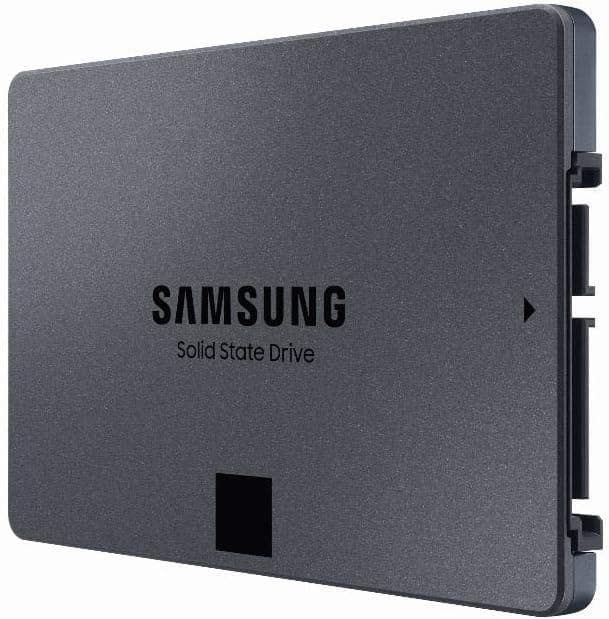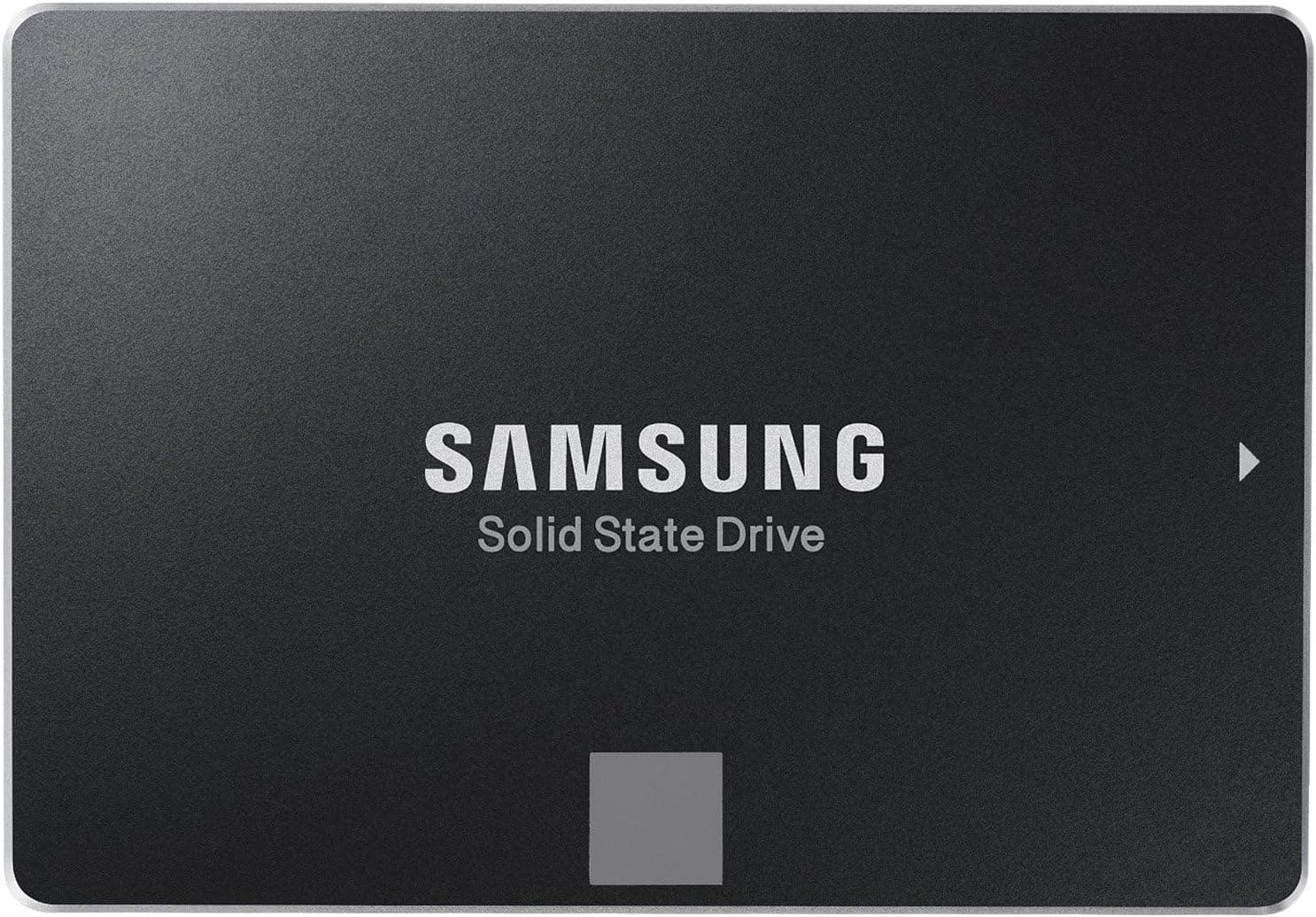
This article covers Samsung 850 EVO 1TB 2.5-Inch SATA III Internal SSD.
Overview
The Samsung 850 EVO 1TB (model MZ-75E1T0B/AM) is a 2.5-inch SATA III internal SSD that has been a staple in the storage market since its release in 2015. It uses Samsung's 32-layer 3D V-NAND TLC memory, delivering sequential read speeds up to 540 MB/s and writes up to 520 MB/s. The 1TB capacity and slim 7mm profile make it an excellent drop-in upgrade for laptops and desktops alike. Positioned as a mid-range SATA SSD, the 850 EVO offers a strong balance of performance, reliability, and value. While it can't match the blistering speeds of modern NVMe drives, it remains a fantastic choice for breathing new life into older systems or adding dependable bulk storage. Its longevity and proven track record have earned it a loyal following.
Compatibility Guide
Form Factor: 2.5-inch, 7mm thickness. Fits standard 2.5-inch bays in laptops and desktops. For 3.5-inch desktop bays, a mounting bracket is required (often included with cases). Interface: SATA III (6 Gbps). Backward compatible with SATA II (3 Gbps) and SATA I (1.5 Gbps), though speeds will be capped at the lower interface limit. Operating Systems: Works with Windows 10/8/7/Vista SP1+, Windows Server 2008, and Linux. Also compatible with macOS (requires reformatting). Capacity Variants: Also available in 120GB, 250GB, 500GB, 2TB, and 4TB (the 4TB version is the 850 EVO in 2TB? Actually 4TB is 860 EVO; we'll stick to 1TB).
Product Info
Released in December 2014, the Samsung 850 EVO 1TB became a landmark product for SSD adoption. It features Samsung's second-generation 32-layer 3D V-NAND TLC, a Samsung MGX controller, and 1GB of LPDDR3 DRAM as cache. The drive comes with a 5-year limited warranty (or up to 150 TBW). Market positioning is mid-range; it's not the fastest SSD available but offers outstanding reliability for everyday use. Key performance specs: Sequential read 540 MB/s, sequential write 520 MB/s, random read 100,000 IOPS, random write 90,000 IOPS. TBW rating is 150 TB, which translates to about 0.4 years under continuous 1TB/day writes — but typical users will enjoy many years of service with moderate write loads.
Best Use Cases
Reviving Old Laptops and Desktops: Upgrading from an HDD to the 850 EVO dramatically reduces boot times and application load times. It's the single most impactful upgrade for systems from 2010-2017. Reliable Secondary Storage: For storing games, media, and documents in a desktop that already has a faster NVMe boot drive. The 1TB capacity offers ample space without breaking the bank. * Budget-Conscious Builders: If you're building a very low-cost system and can't justify the premium for NVMe, this SATA SSD provides excellent everyday performance for web browsing, office work, and light gaming.
Things to Consider
Significantly Slower Than NVMe: With peak sequential speeds around 540 MB/s, the 850 EVO is far behind even entry-level PCIe 3.0 NVMe drives (around 3,500 MB/s). Large file transfers will be noticeably slower. TBW Limitations: The 150 TBW rating is modest by modern standards. For heavy write workloads (e.g., 4K video recording, server caching), consider a drive with higher endurance like the 860 EVO or a pro model. Aging Product: Being nearly a decade old, finding brand-new units can be challenging. Many listings on and other retailers may be third-party or refurbished. Verify the seller's reputation before purchasing. No M.2 Variant: This is a 2.5-inch SATA drive only. If your system supports M.2 SATA, the 850 EVO M.2 version exists but is even rarer. For modern builds, a 2.5-inch SSD may require extra cabling. ## FAQ
Q: Is the Samsung 850 EVO 1TB compatible with a PlayStation 4 Pro? A: Yes, the PS4 Pro accepts 2.5-inch SATA drives up to 9.5mm thick, and this 7mm drive fits perfectly. It will improve load times, though not as much as an SSD on PS5. Q: Can I use this SSD with a macOS system? A: Absolutely. The drive is detected by macOS and works after formatting to APFS or Mac OS Extended. Note that TRIM is supported natively since OS X Yosemite. Q: How does the 850 EVO compare to the newer 870 EVO? A: The 870 EVO uses 128-layer V-NAND, offers higher sustained write speeds, and has a TBW of 600TB for the 1TB model — four times the endurance. The 850 EVO is still a fine choice if found at a significantly lower price.
Product Disclosure (Amazon)
- Manufacturer: サムスン(SAMSUNG)
- Seller: PENNY LANE
- Fulfilled by: PENNY LANE
- ASIN: B00OBRFFAS
- Note: This article covers a manufacturer-made product based on Amazon listing details.