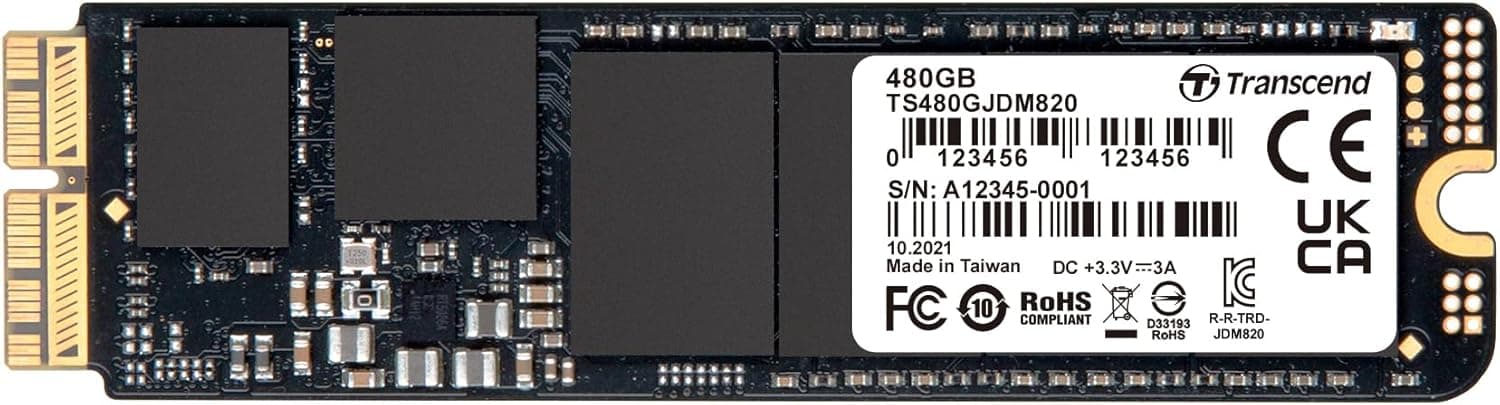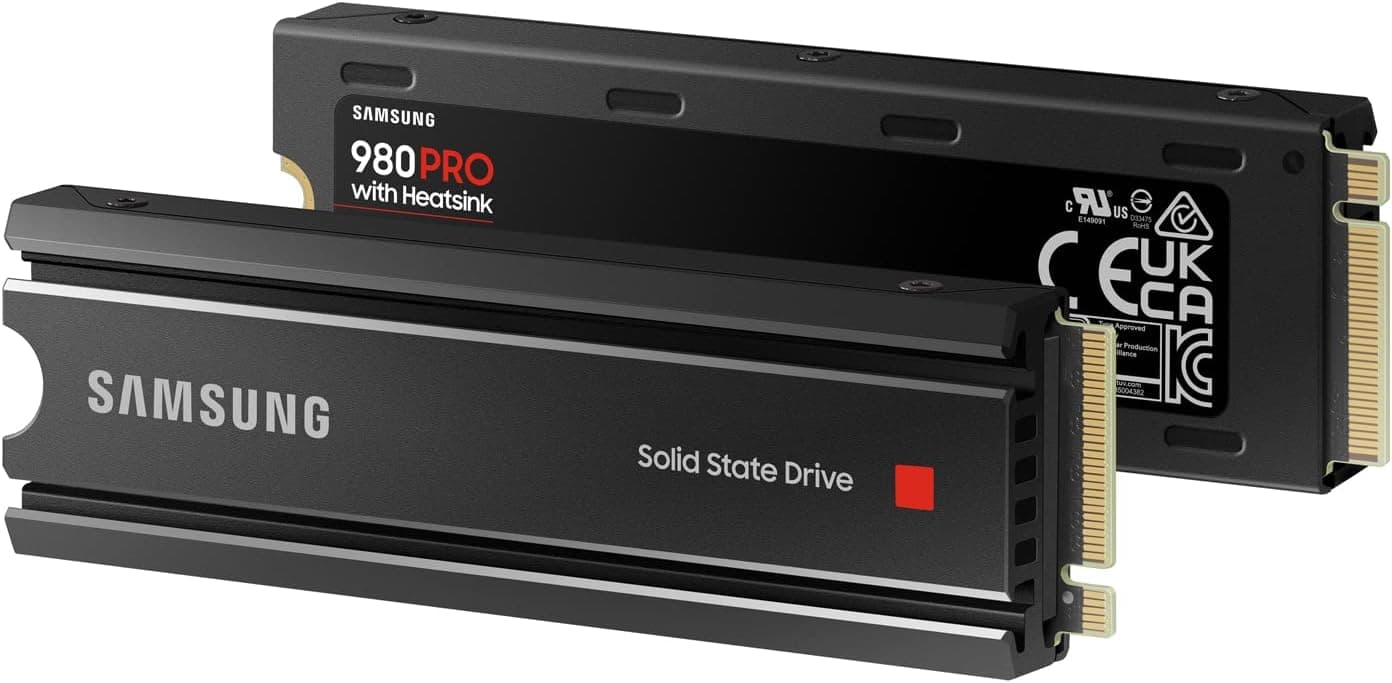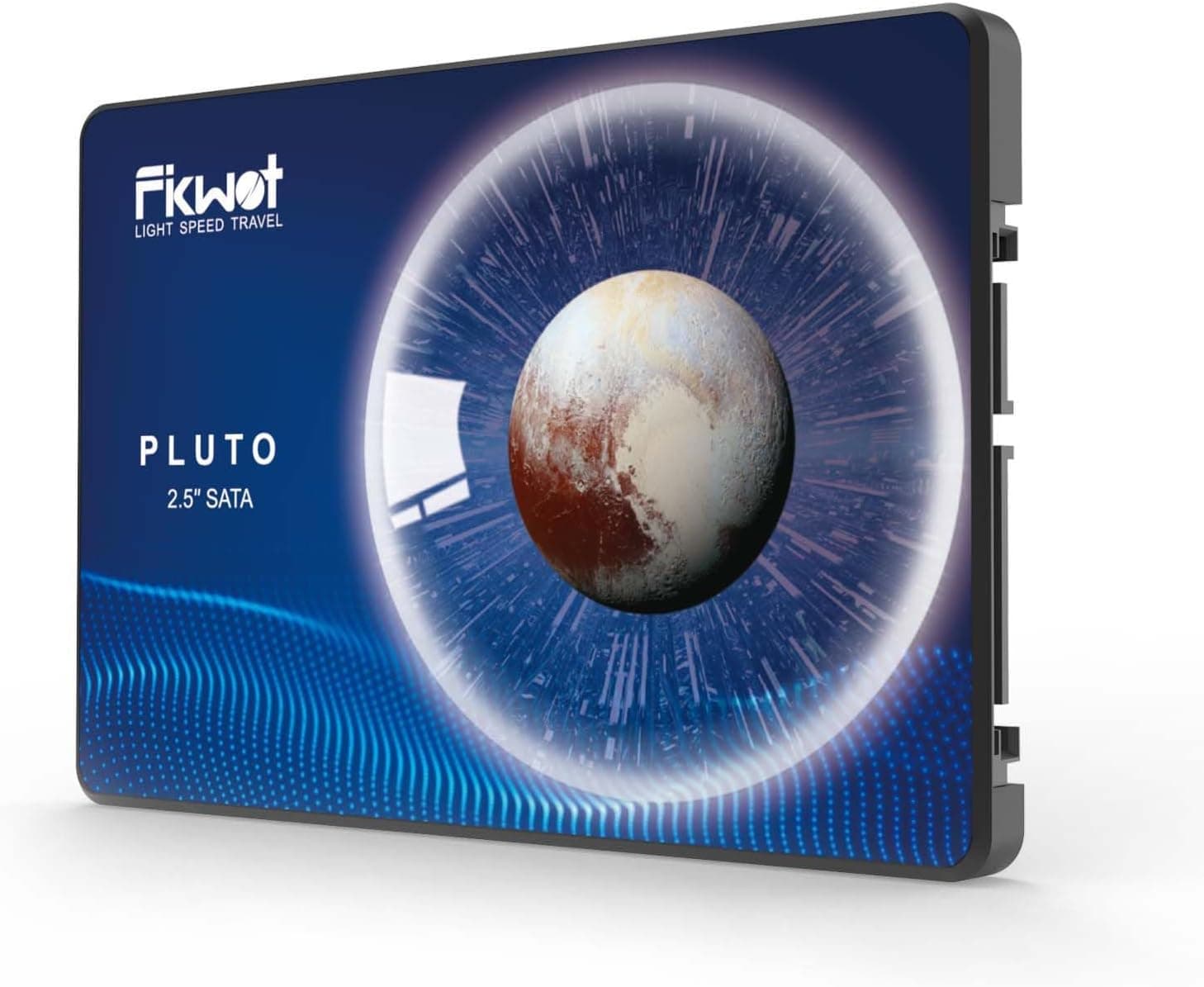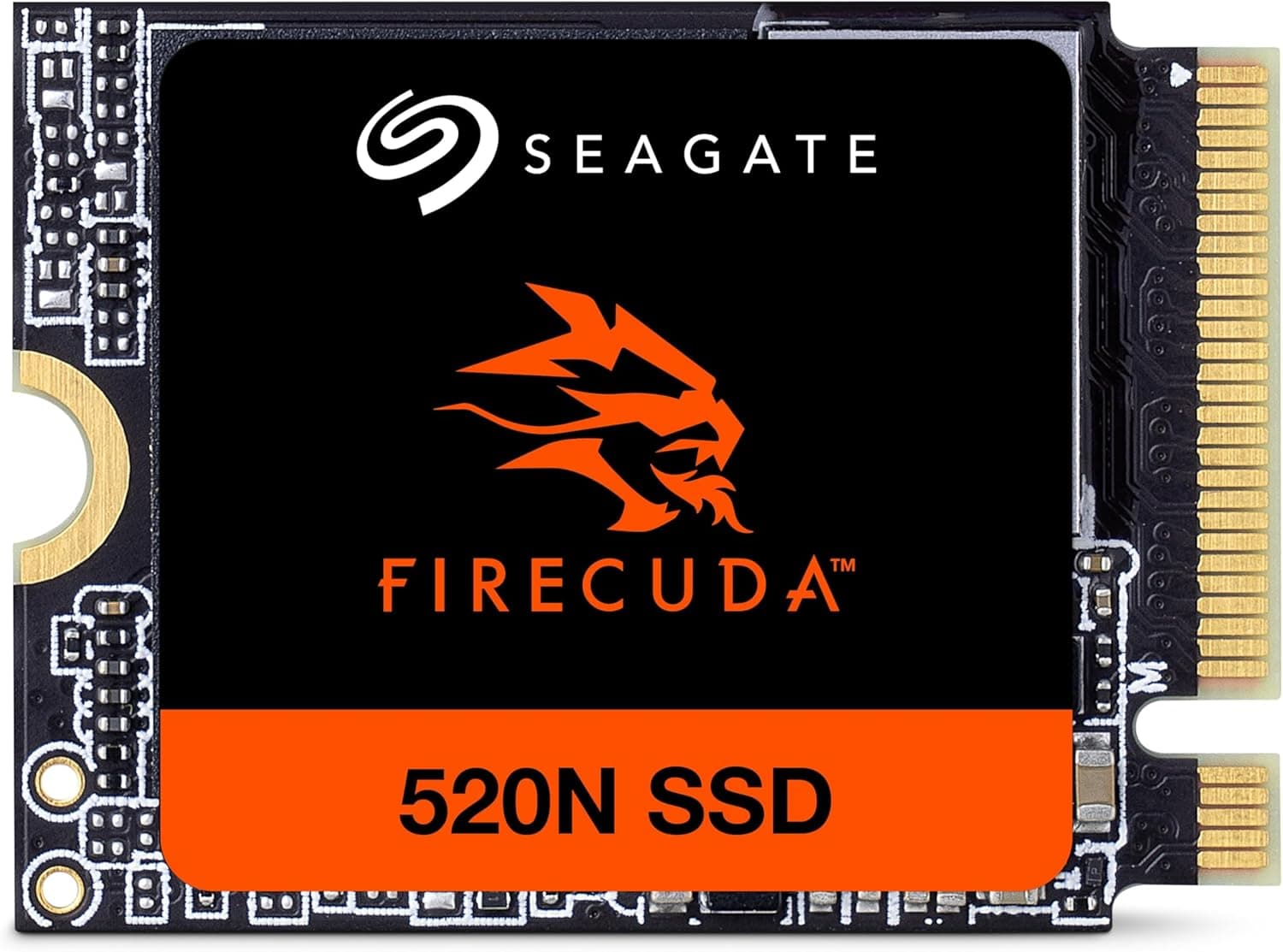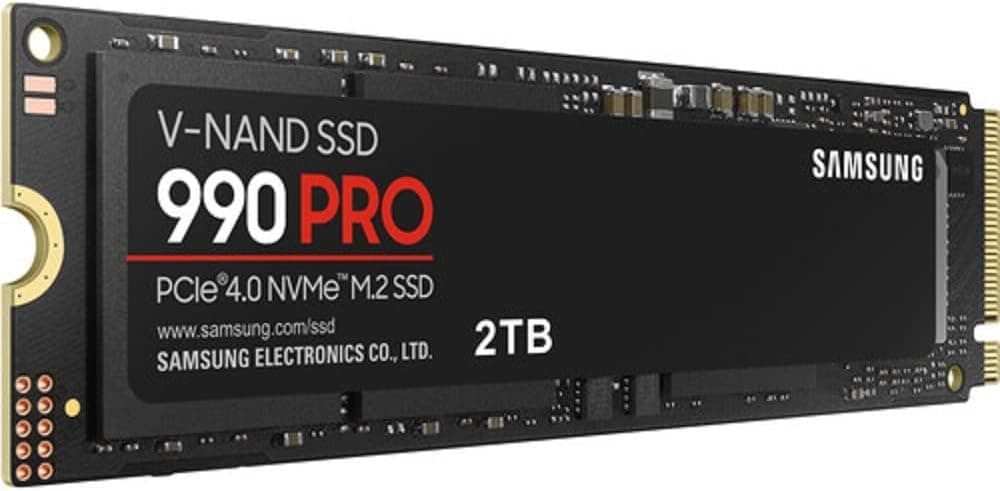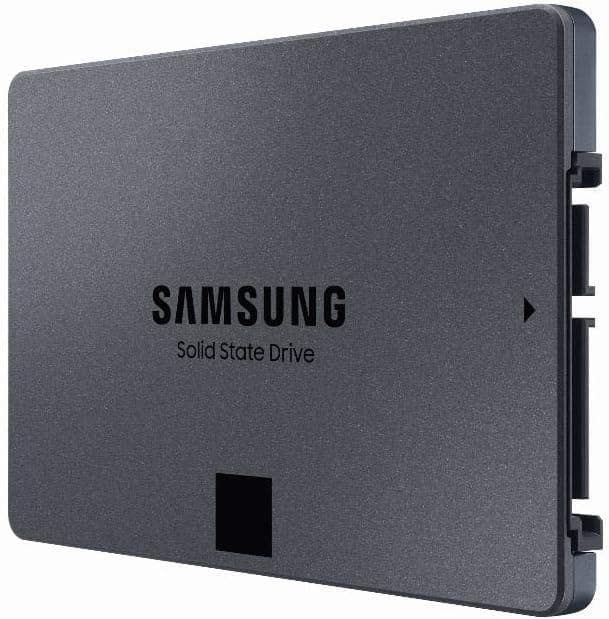
This article covers Samsung SSD 860 QVO 2.5” SATA III 1TB MZ-76Q1T0B Solid State Disk (parallel import goods).
Overview
The Samsung SSD 860 QVO 2.5" SATA III 1TB MZ-76Q1T0B is a SATA-based internal solid-state drive that leverages QLC (4-bit per cell) NAND flash memory to deliver large storage capacity at an affordable price point. With sequential read speeds up to 550MB/s and write speeds up to 520MB/s, it offers a substantial performance boost over traditional hard drives while keeping costs low. This drive is positioned as an entry-level to mid-range storage solution, ideal for users upgrading from HDDs or adding a secondary drive for games, media, and documents. The 2.5-inch form factor with 7mm thickness ensures broad compatibility with both desktop PCs and laptops that have a SATA bay. Samsung's Magician software provides easy firmware updates and performance tuning.
Compatibility Guide
The Samsung SSD 860 QVO uses the standard 2.5-inch SATA III (6Gbps) interface, making it compatible with virtually any desktop or laptop that has a SATA port. It is backward compatible with SATA II (3Gbps) and SATA I (1.5Gbps), though performance will be limited by the slower interface. Form factor: 2.5-inch, 7mm thickness Interface: SATA III 6Gbps (backward compatible with SATA II/I) Compatible devices: Desktop PCs, laptops, PS4/PS4 Pro (internal replacement), some external enclosures Note: Ultra-thin laptops with only M.2 slots cannot accommodate this drive. Some older laptops require a 9.5mm drive bay; a spacer (sold separately) may be needed.
Product Info
The Samsung SSD 860 QVO 1TB (MZ-76Q1T0B) launched in late 2018 as one of the first mainstream QLC SSDs. Its original retail price was around ¥20,000 for the 1TB model, but parallel import versions are now available at more competitive prices. The manufacturer provides a 3-year limited warranty (or until TBW is reached). Market positioning is entry to mid-range, offering a lower cost per gigabyte than Samsung's TLC-based 860 EVO series. QLC NAND stores 4 bits per cell, enabling higher density and lower cost, but at the expense of write endurance and sustained write performance compared to TLC.
Best Use Cases
General users upgrading from HDD Replacing an old hard drive with this SSD dramatically improves boot times and application loading. Even a QLC SSD offers several times the random read performance of an HDD, making everyday computing noticeably snappier. Budget-conscious gamers adding a game library drive Install your Steam, Epic, or other game libraries on this SSD for faster level loading compared to HDDs. It works well for single-player titles and less demanding online games. For competitive multiplayer games with frequent updates, a TLC SSD may be preferable. File server or NAS cache/storage drive Read-heavy workloads such as photo archives, document storage, and media streaming are ideal for QLC SSDs. The low write frequency in these scenarios minimizes endurance concerns. Who should NOT buy this Creators doing daily video editing with large cache files, database servers, or any write-intensive workload should choose a TLC or MLC SSD instead.
Things to Consider
The Samsung SSD 860 QVO uses QLC NAND, which has lower write endurance than TLC. The 1TB model is rated for 360 TBW (Terabytes Written). Assuming 1TB of writes per day, the drive would reach its endurance limit in about 0.99 years. In typical desktop use (OS + applications + occasional file transfers), it will last several years without issue. A key performance characteristic of QLC SSDs is that once the SLC cache is exhausted during sustained writes, write speeds drop significantly — sometimes to levels comparable to HDDs. This makes the drive less suitable for frequent large file transfers or heavy write workloads. Competitors include the Crucial BX500 and WD Green SSD, both also QLC-based. Samsung's brand reputation and Magician software are advantages, but the 860 QVO may not always be the cheapest option. Compare prices before purchasing. ## FAQ
Q: Can I use this SSD as my primary OS drive? A: Yes, it works fine as an OS drive. Boot times and application launches will be much faster than an HDD. However, for the page file or temporary files that see frequent writes, a TLC SSD is more suitable. Keep at least 20% free space to maintain performance. Q: What is the difference between the 860 QVO and 860 EVO? A: The main difference is NAND type: 860 QVO uses QLC (4-bit), while 860 EVO uses TLC (3-bit). The QVO has lower write endurance and slower sustained write speeds, but is cheaper. Read speeds are nearly identical, so everyday use feels similar. Q: Can I install this in a PS4? A: Yes, the 2.5-inch 7mm SATA III drive fits directly into PS4 and PS4 Pro. You will need to reinstall the system software, but game load times will improve significantly. It is not compatible with PS5's internal storage (PS5 requires M.2 NVMe SSDs).
Product Disclosure (Amazon)
- Manufacturer: サムスン(SAMSUNG)
- Seller: P-LAB
- Fulfilled by: P-LAB
- ASIN: B07KSHCG3R
- Note: This article covers a manufacturer-made product based on Amazon listing details.