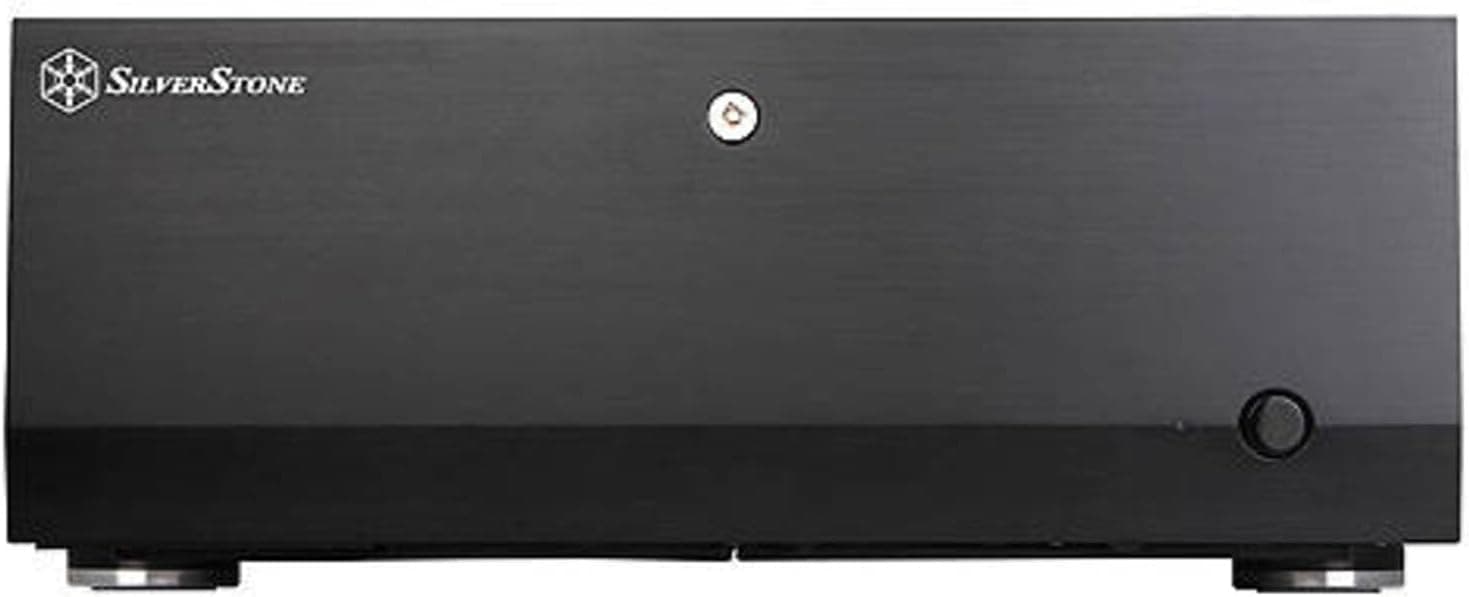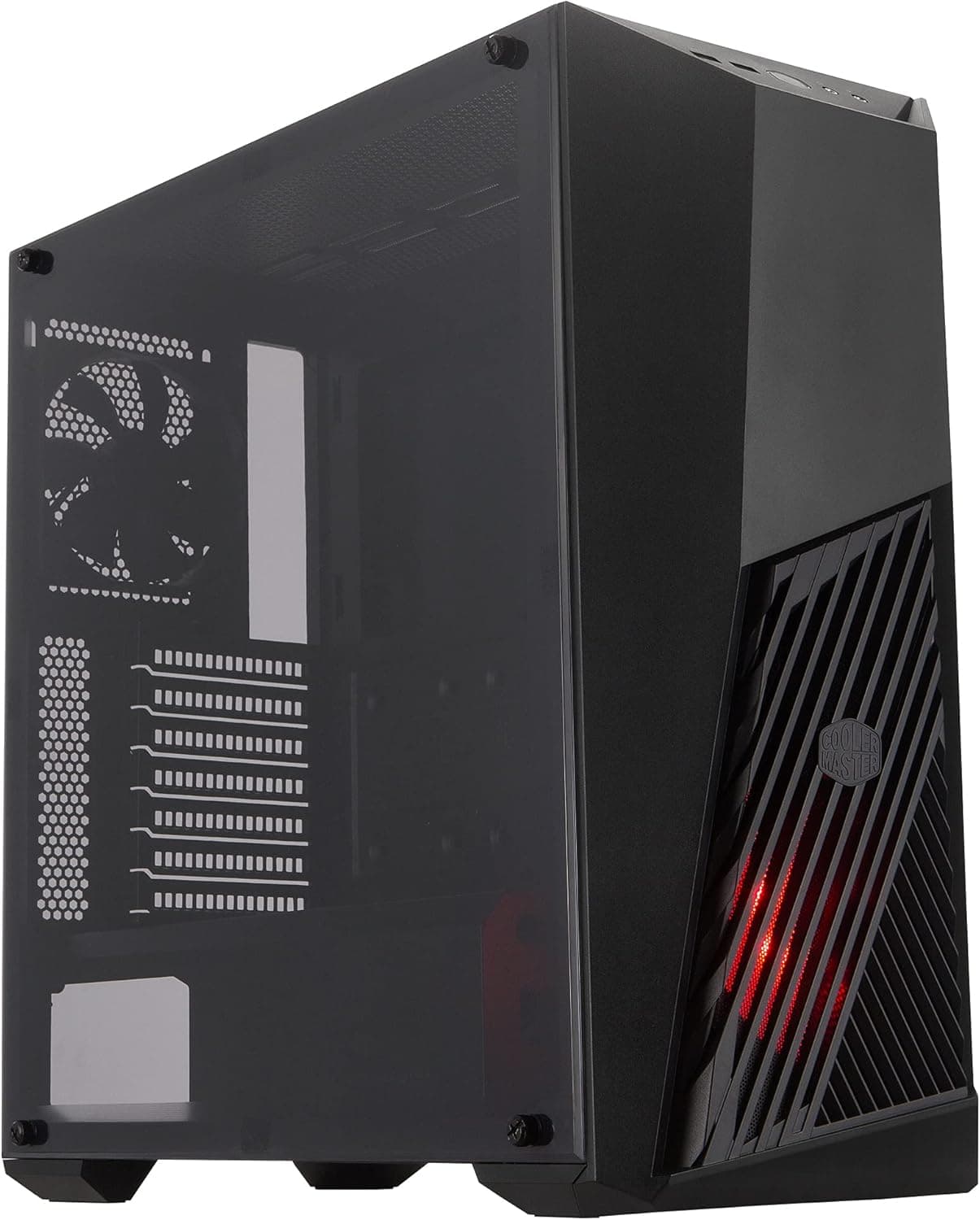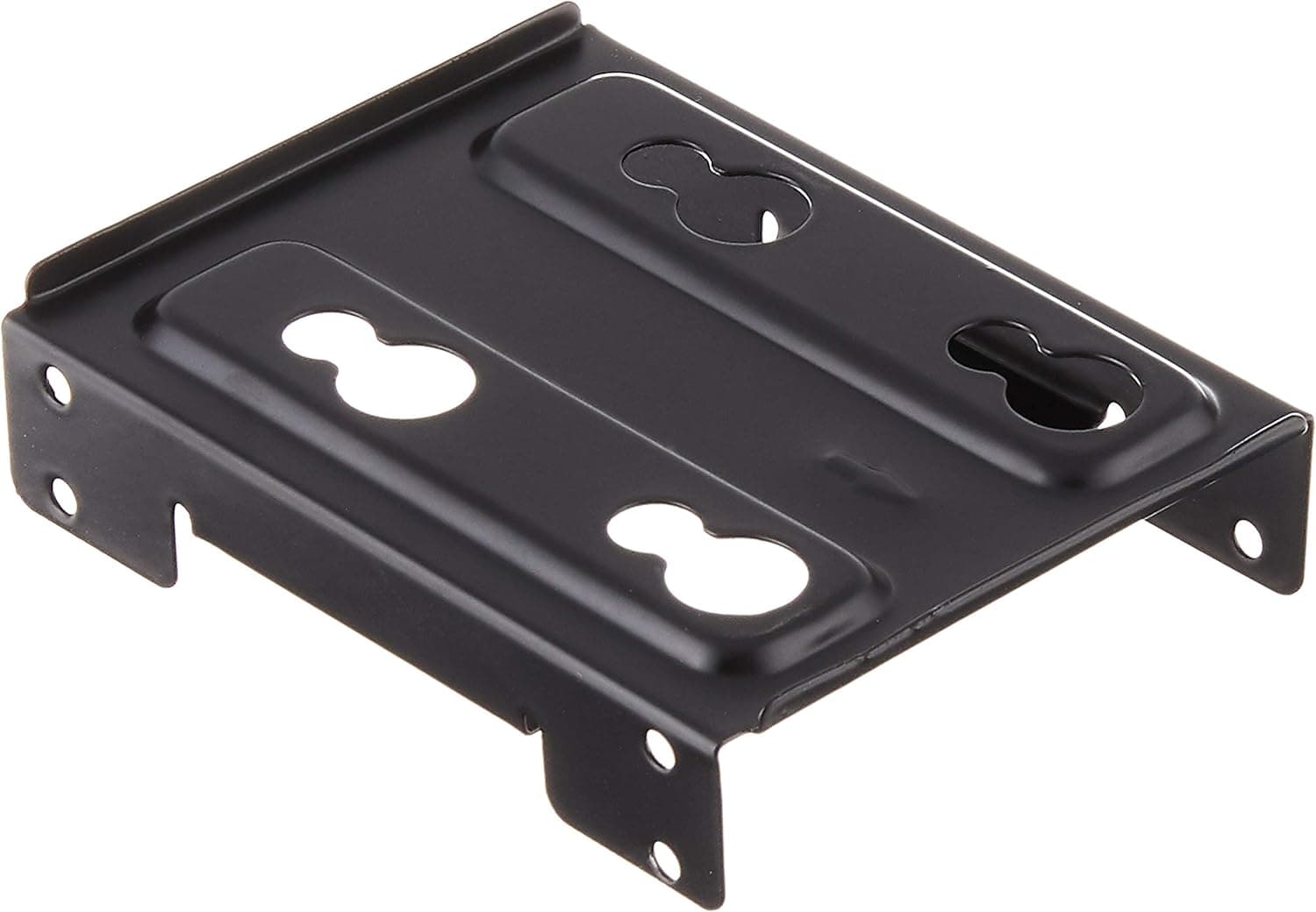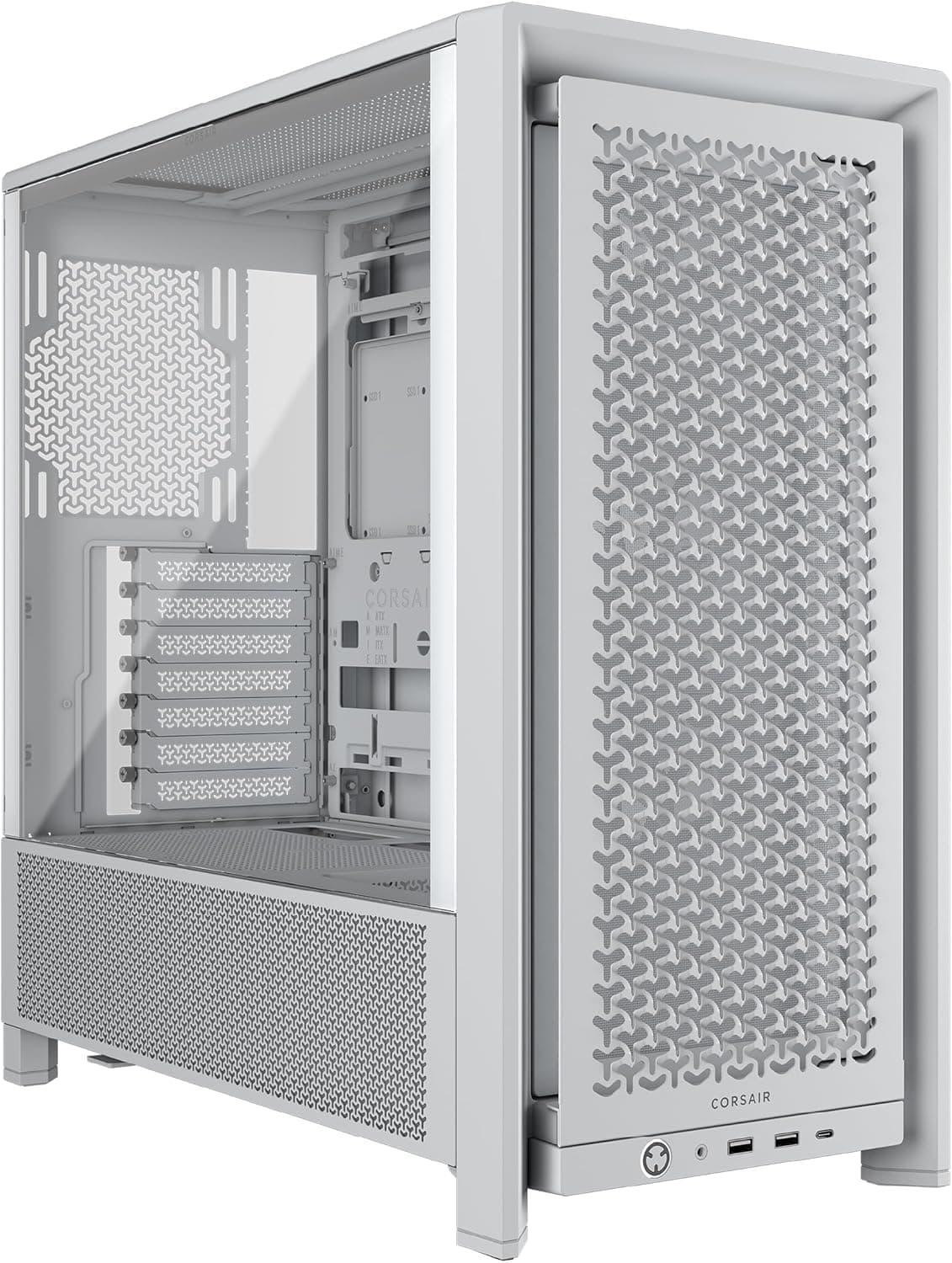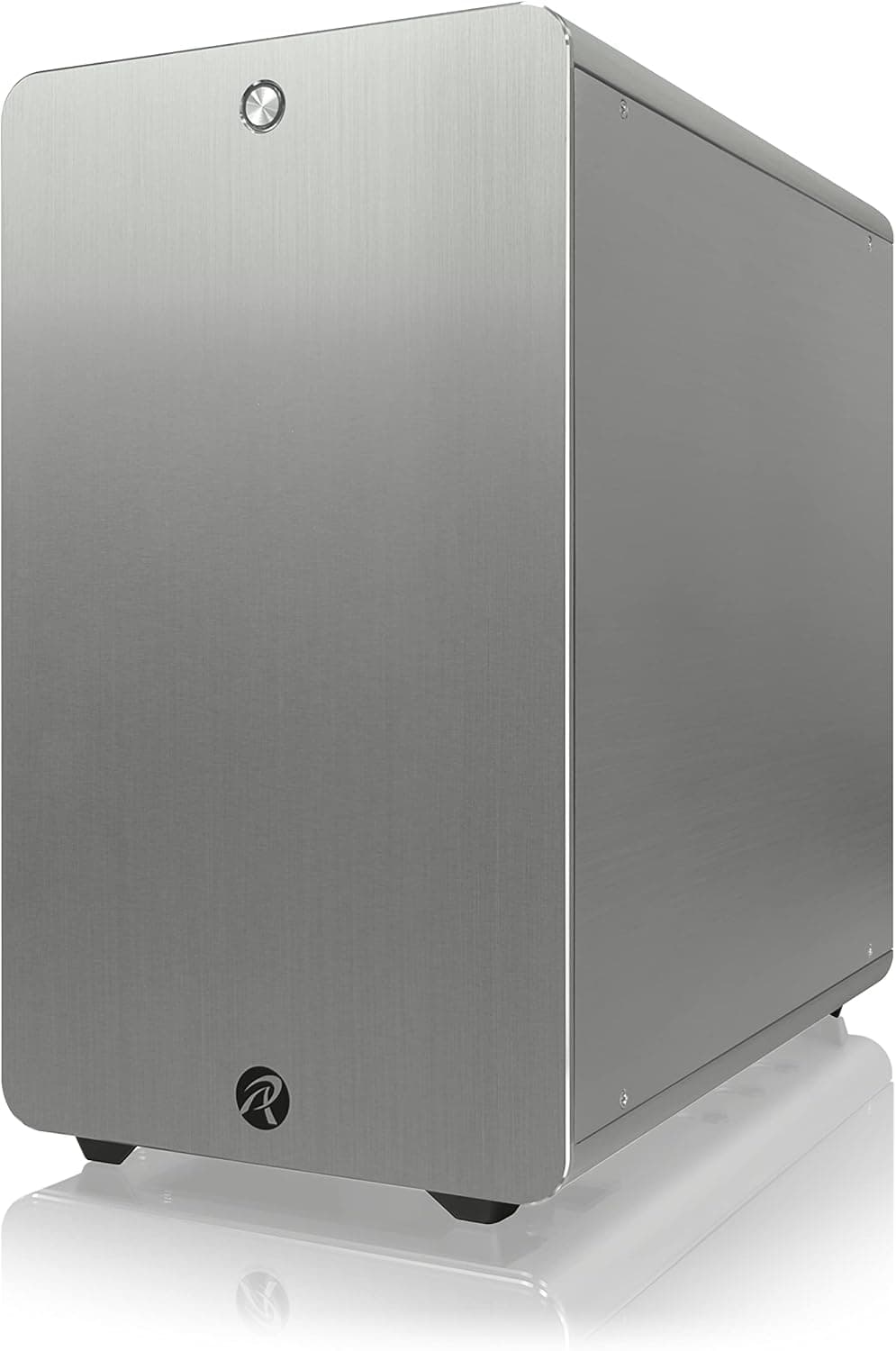
The RAIJINTEK THETIS SILVER CLASSIC (0R200052) is an ATX mid-tower wrapped in 1.5mm aluminum.
This article uses the published specs and Amazon rating data to answer the question that actually matters: who is this case for, and who should walk away? Short version — it suits quiet, material-focused budget builds, but it is hard to recommend for a gaming rig with a long GPU and a hot CPU.
Overview
The defining feature is the anodized, hairline-finished silver aluminum exterior, listed as "Aluminum 1.5mm." That is noticeably thicker and different in feel from the 0.6–0.8mm steel panels common on mainstream cases.
The chassis takes ATX motherboards, provides 7 PCI slots, uses a bottom-mounted PSU, and ships with a single 120mm LED fan at the rear.
That spec sheet describes a clear philosophy: spend on materials, keep cooling hardware minimal. The cooling method is listed as Air, and radiator support cannot be confirmed from published data.
Treat it as an air-cooling case unless the maker's page says otherwise.
Amazon.co.jp shows 98 reviews averaging 3.9/5 (78% positive) as captured on 28 May 2026.
That is not a large sample, but 3.9 is the classic shape of "most buyers are happy, and a real minority is not." The caveats later in this article explain where that missing 1.1 points likely comes from.
Reading the Key Specs
| Item | Value | Why it matters |
|---|---|---|
| Case type | Midi Tower | Standard mid-tower footprint; plan for under-desk placement |
| Material | Aluminum 1.5mm | Light and rust-resistant; dents more easily than steel |
| Color | Silver | Black components stand out against a silver interior |
| Motherboard | ATX | ATX max; assume no E-ATX |
| PCI slots | 7 | Enough slots for a 3-slot GPU plus expansion |
| Included fan | 120mm LED (rear) | Exhaust only; intake is your job |
| PSU mounting | Bottom | Keeps the PSU out of the GPU's heat plume |
| Cooling | Air | Air-first design; verify AIO support |
The telling combination is 7 PCI slots paired with exactly one fan. You have the slot space for a powerful GPU, but not the airflow that such a GPU needs out of the box.
Slot capacity and thermal capacity are not the same thing here, and planning around that gap is the whole trick with this case.
Compatibility Guide
ATX motherboard support is the one certainty. The form-factor field lists ATX only.
Micro-ATX and Mini-ITX boards will usually mount in an ATX chassis because the standoff patterns overlap, but that is an inference, not a published spec — check the standoff layout on the product page if a smaller board is your plan. Wider standards such as E-ATX or SSI-CEB generally do not fit an ATX-rated mid-tower.
The PSU mounts at the bottom and accepts a standard ATX unit. Bottom mounting lets the supply draw its own outside air instead of the GPU's exhaust, which is the modern and preferable arrangement.
If the unit intakes from underneath, keep the case off carpet so the filter and floor clearance can do their job. Long fully modular units (over 160mm) deserve a real measurement check, including room for the cable bundle.
Maximum GPU length and CPU cooler height are not published. This is the single biggest unknown with this case.
Current mid-to-high-end cards routinely exceed 300mm and three slots of thickness, and flagship air coolers sit near 160mm tall. If that is your parts list, confirm the dimensions on the manufacturer's page or a hands-on measurement before ordering.
"It's an ATX mid-tower, it'll fit" is how build day goes wrong.
The accompanying data lists a 650W recommended PSU figure. A case does not draw power itself; read that as a rough guide for the kind of build this chassis typically houses, and size your actual supply from your CPU and GPU.
Planning the Airflow
One rear 120mm exhaust is the entire stock cooling setup. Exhaust-only tends to run the interior slightly negative-pressure, pulling dust through unfiltered seams.
The standard fix is one or two front intake fans to push the balance positive. Mount locations and maximum fan counts are not confirmed in the published data, so verify the fan mounts on the product page if you are buying with expansion in mind.
If you are adding fans, decide between quiet and high airflow first. Aluminum panels resist resonance better than thin steel, but the material is not especially good at blocking noise.
For a quiet build, favor 120mm PWM fans held at low RPM rather than smaller fans spinning hard. For a mid-range GPU under sustained load, front intake is not optional — one rear fan will not keep up.
Product Info
The Amazon.co.jp price was ¥5,027 as captured on 28 May 2026.
Prices move often with sales and stock, so check the listing for the current figure; the number here is a snapshot, not a standing quote.
For an aluminum-clad case, ¥5,027 is genuinely inexpensive. That price bracket is otherwise dominated by mass-market steel cases, and competing there with a 1.5mm aluminum shell is this model's whole pitch.
Be equally clear about what the price does not include: tempered glass, multiple stock fans, an ARGB control hub, and front USB Type-C are all absent from the published specs. This is not a budget case with everything — it is a budget case that spent its money on one thing.
Ratings sit at 3.9/5 across 98 reviews (78% positive, captured 28 May 2026).
Under a hundred reviews is a thin sample for firm conclusions, though accumulating 98 of them in a niche like aluminum cases does show the model has been on the market for a while.
How It Compares
Against other mid-towers near ¥5,000, the material is essentially the only differentiator. That bracket today is full of mesh-front designs shipping three stock fans, and on raw cooling numbers those win.
You choose the THETIS SILVER CLASSIC for the feel of aluminum, the restrained silver finish, and how easily it builds into a non-RGB machine.
Within aluminum cases specifically, the fanless and CNC-milled options live at much higher prices and use genuinely unusual internal structures. This one is a conventional mid-tower with an aluminum skin — which also means assembly follows normal ATX procedure with no special steps, a real advantage for a first build.
If your goal is a glass side panel showing off ARGB lighting, skip this case. A silver interior clashes with black components, and the design was never aimed at show builds.
Best Use Cases
- Builders who prioritize material feel: the anodized hairline silver reads very differently from a plastic-fronted budget case, and getting that at around ¥5,000 (as of May 2026) is a reasonable trade.
- People who want a build that does not glow: only the rear LED fan lights up, and no ARGB hub is included, so the machine stays visually quiet by default.
- Office and workstation ATX builds: integrated graphics or a low-power GPU is well within the reach of a single rear exhaust, and 7 PCI slots leave room for capture or audio cards.
- Anyone who moves their PC: the aluminum shell makes it easier to handle than a steel-heavy chassis when you rearrange a desk often.
Things to Consider
The unpublished GPU and cooler clearances are the main trap. This is not something to guess at.
If a 300mm-plus card or a 160mm-class air cooler is in your plan, confirm dimensions from the manufacturer first, or pick parts you know are compact. Checking beforehand costs far less than a return.
Accept that the cooling hardware is minimal. One rear 120mm fan is the smallest stock configuration you will see on a modern mid-tower.
For any mid-range or better GPU under sustained load, front intake fans are effectively mandatory — budget roughly ¥1,500–3,000 for a pair of 120mm fans. The ¥5,027 figure is a starting price, not a finished-build price.
Aluminum dents. The flip side of light and rust-resistant is that localized deformation happens more readily than with steel.
A slipped screwdriver or a knocked corner that would leave a scratch on steel can leave a dimple here. Lay panels flat during assembly and keep tools off them.
Drive bay details are not confirmed. If you plan a multi-HDD NAS-style build, verify bay count and mounting before buying.
For an M.2-based build the drives live on the motherboard, so the limitation rarely bites.
Watch for listing inconsistencies. The overseas price field for this product carries the same ¥5,027 and the same Japanese link as the domestic entry, so it is no guide to international pricing.
More generally, Amazon listings sometimes carry manufacturer names, model numbers, or ASINs that belong to a different product entirely. Before you buy, confirm from the images and title that the page really is the THETIS SILVER CLASSIC / 0R200052.
Take the 3.9/5 average at face value. Across 98 reviews, that means a satisfied majority and a meaningful unhappy minority.
If the low scores trace back to the thin cooling loadout and undocumented interior space, those are knowable weaknesses you can plan around. If you need the case to be flawless beyond its price and finish, read the review text yourself before deciding.
FAQ
Q. Will a Micro-ATX board fit? A.
Only ATX is officially confirmed. ATX cases usually include Micro-ATX standoff positions, so it likely works, but verify on the product page if that is your plan.
Q. Can I install an AIO liquid cooler? A.
The listed cooling method is Air only, and radiator support cannot be confirmed from published data. Do not buy this case assuming AIO support.
Q. Is one fan enough? A.
For integrated graphics or a low-power build, yes. For a mid-range GPU under load, plan on adding front intake.
Q. Does it have lighting? A.
The stock rear 120mm fan is an LED model. No ARGB control hub is listed, so elaborate lighting needs a separate controller.
Q. Is it suitable for a first build? A.
The layout is a conventional ATX mid-tower with no unusual steps. Because interior clearances are undocumented, first-time builders should choose a comfortably compact GPU and cooler.
Q. Is the price still the same? A.
The ¥5,027 in this article was captured on 28 May 2026. Prices change — check the listing for the current figure.
Product Disclosure (Amazon)
- Manufacturer: RAIJINTEK
- ASIN: B01MQS5IWM
- Note: This article covers a manufacturer-made product based on Amazon listing details.