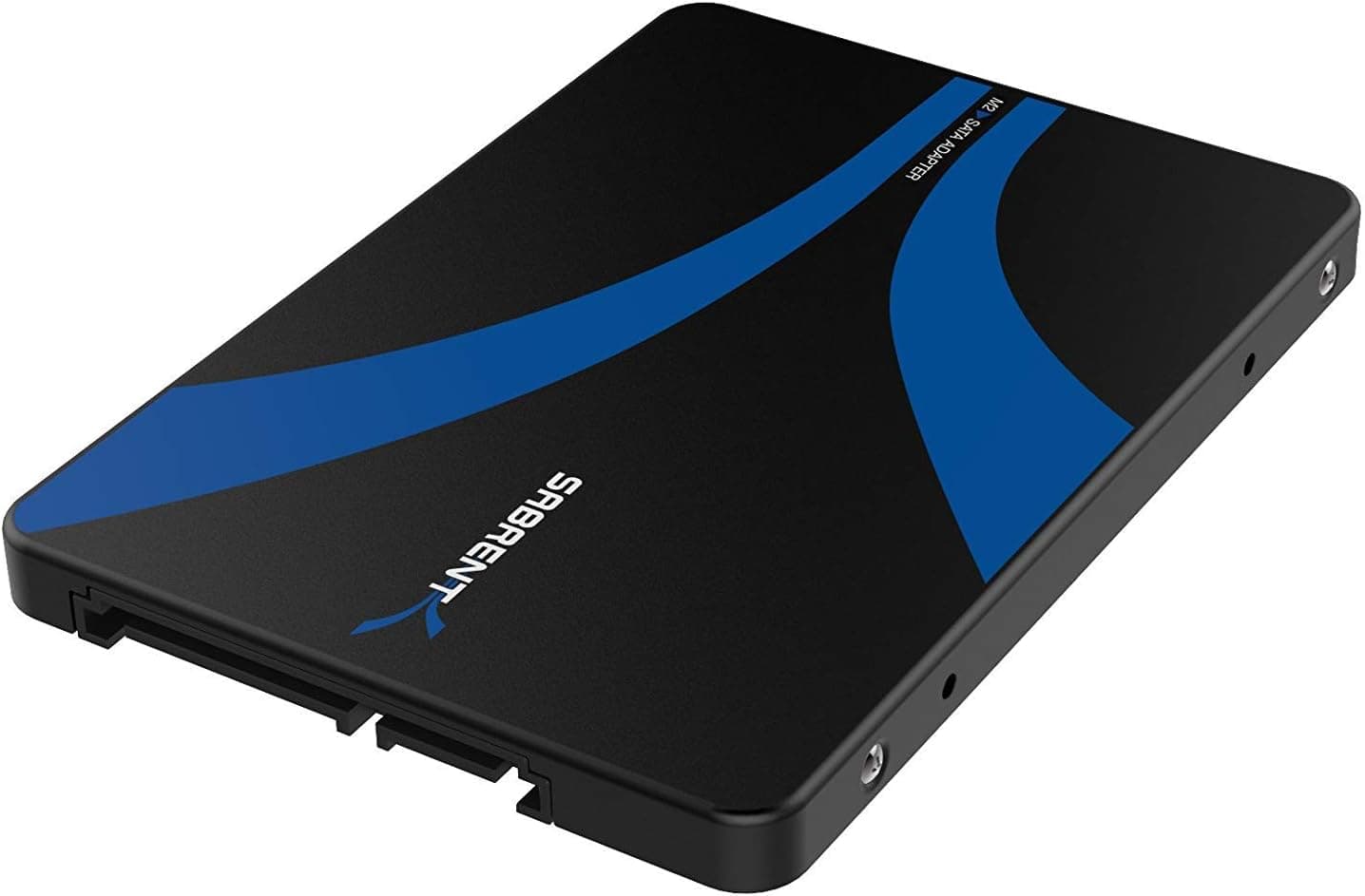
This article covers 【限定】QIANSTAR 外付けSSD 4TB対応 USB 3.1 Gen1 Type-C 高速転送 耐衝撃・防塵・防滴 超軽量38g アルミ合金 Mac.
Overview
The QIANSTAR External SSD enclosure lets you repurpose your unused M.2 SSDs into a portable drive. Supporting capacities up to 4TB, it connects via USB 3.1 Gen1 Type-C and delivers read speeds up to 850 MB/s and write speeds up to 300 MB/s. The aluminum alloy body weighs just 38 grams and meets shockproof, dustproof, and waterproof standards — it even passed a 10-meter drop test. This makes it an ideal companion for travel, outdoor work, or everyday backup. This exclusive model comes with a 5-year warranty and Japanese-language support, positioning it as an entry-to-mid-level solution for users who already own an M.2 SSD. Instead of buying a complete external SSD, you can reuse your existing drive at a much lower cost. It's compatible with Mac, Windows, tablets, and smartphones, offering plug-and-play convenience for photo, video, and file transfers.
Compatibility Guide
The enclosure accepts M.2 form factor SSDs (SATA or NVMe — check before purchase) up to 4TB capacity. The interface is USB 3.1 Gen1 Type-C, backward compatible with USB 2.0 and 3.0. Operating systems supported include Windows, macOS, Android, and iOS. No external power adapter is needed; it runs on USB bus power. For high-power NVMe drives or smartphone connections, using a powered USB hub is recommended for stable operation.
Product Info
Released around 2024, this QIANSTAR external SSD enclosure is priced at approximately ¥9,999 on . Color: Black. Package includes the enclosure, USB cable, and storage box. Weighing only 38g, it's extremely portable. The market positioning is entry-level to mid-range, specifically targeting users who want to give new life to their spare M.2 SSDs. The 5-year warranty and Japanese support add peace of mind.
Best Use Cases
- Users with unused M.2 SSDs: If you've upgraded your laptop or PC and have a spare M.2 drive sitting around, this enclosure turns it into a fast portable drive. Supporting up to 4TB, you can even upgrade to a larger capacity later. 2. Travelers and outdoor workers: The ultra-light 38g build and shock/dust/water resistance make it perfect for on-the-go use. You can toss it in a pocket or backpack without worry. 3. Budget-conscious students and creatives: Buying a complete external SSD can be expensive. With this enclosure, you control the cost by choosing your own SSD. The 5-year warranty ensures long-term value. 4. Cross-platform data sharing: Connect to Windows, Mac, Android, or iOS devices directly via USB-C. Great for transferring files between different operating systems without a network. ## Alternatives
Competitors in this price range include Buffalo and Elecom external SSD enclosures. Both offer similar functionality, but QIANSTAR stands out with its 38g weight and 10m drop test certification. The 5-year warranty is also longer than what many rivals provide. However, Buffalo and Elecom have more established support networks in Japan, which may matter if you prioritize after-sales service. If you prefer a brand with a longer domestic track record, those alternatives might be a safer bet.
Things to Consider
This product is an enclosure only — you need to supply your own M.2 SSD. If you don't have a spare drive, factor in the additional cost. Also, read/write speeds are limited by the USB 3.1 Gen1 interface (5 Gbps). Even if you install a fast NVMe SSD, you won't get full NVMe speeds. The enclosure's write speed of 300 MB/s is relatively modest; if you frequently transfer very large files, a native NVMe external drive would be faster. Another caveat: it's unclear whether the enclosure supports SATA and NVMe SSDs interchangeably. The product description simply says 'M.2 SSD' without specifying protocol. Some enclosures support both, but verify before buying to avoid incompatibility. Additionally, for smartphone use, the bus-powered connection may not supply enough power for high-capacity or NVMe drives, leading to intermittent disconnects. ## FAQ Q: Can I install a 2TB or 4TB M.2 SSD? A: The official spec says up to 4TB is supported. However, large-capacity drives consume more power, so stable operation may require a powered USB hub. Q: Is there a list of tested/compatible SSDs? A: The product page does not provide a compatibility list. Most standard M.2 SSDs should work, but there is always a risk of incompatibility. Testing with your specific drive is recommended. Q: What file system should I use for cross-platform compatibility? A: Format the drive as exFAT for read/write access on Windows, macOS, Android, and iOS. The enclosure may ship unformatted, so you'll need to format it before first use.