Overview
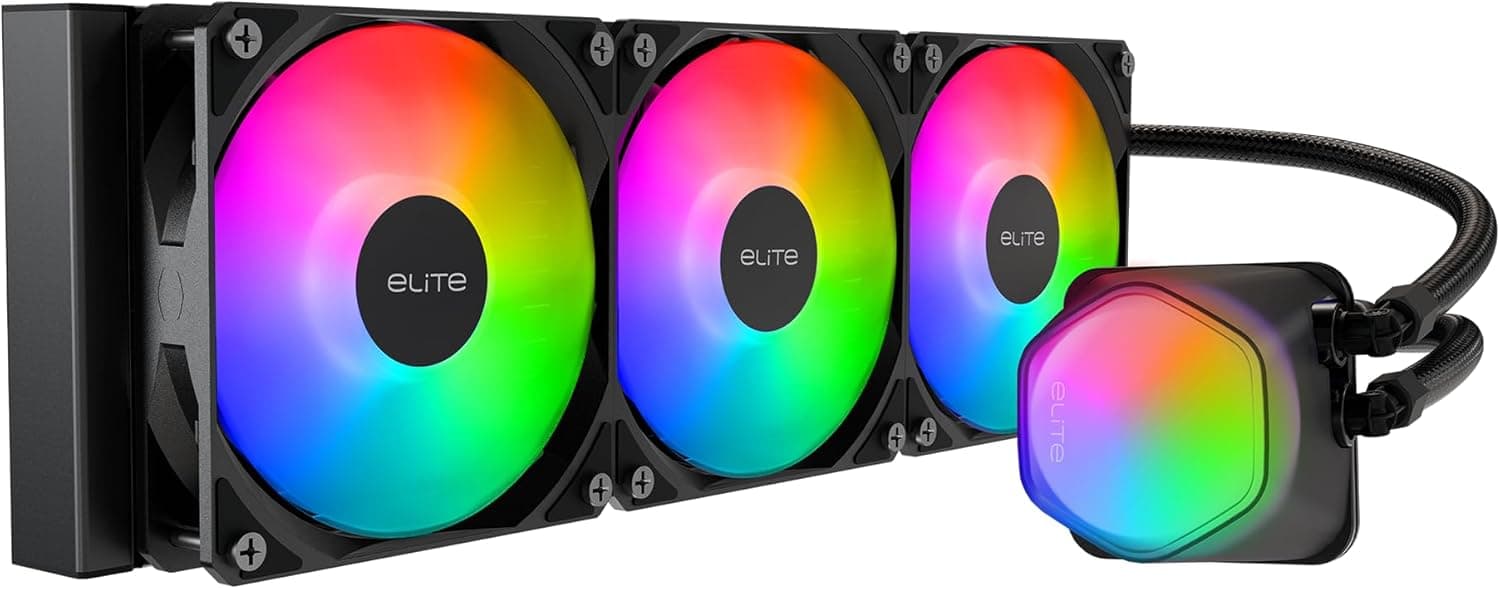
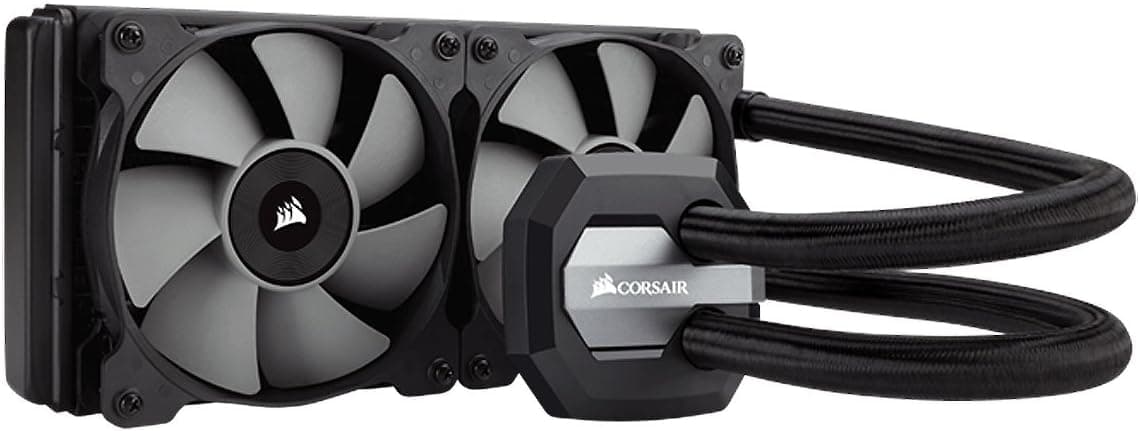
The CORSAIR H100i V2 is an all-in-one (AIO) liquid CPU cooler built around a 240mm radiator. The short verdict: it fits best in the build where a big air tower either won't physically clear your memory and side panel, or won't keep up — but where there is no room for a 360mm radiator either.
On Amazon.co.jp it holds 4.3 out of 5 stars across 3,349 reviews (86% positive, captured 3 June 2026).
That is a large sample for an AIO cooler, which tells you this is a long-running staple rather than an unknown quantity.
That longevity cuts both ways. The H100i V2 predates the current generation of coolers, so support for the newest CPU sockets is not something you should assume.
The real buy/skip decision here is about socket support and radiator clearance, not raw cooling performance.
Compatibility Guide
The automatically collected data attached to this article contained no socket or chipset list, so treat the following as the checklist every AIO buyer should run — and confirm the actual supported sockets on the product listing.
1. Socket support (the critical one)
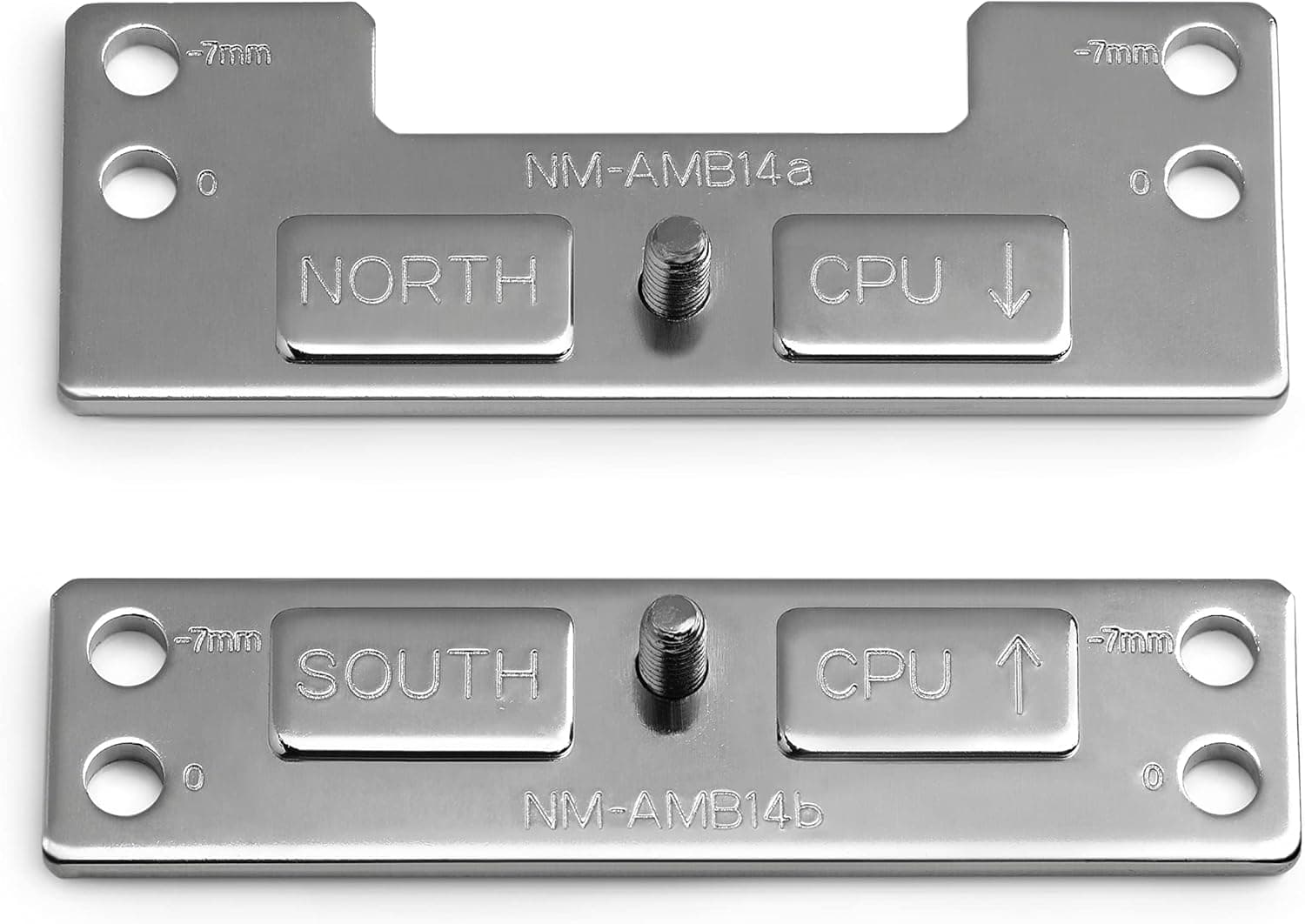
The H100i V2 belongs to a generation aimed primarily at Intel LGA115x / LGA2011 / LGA2066 and AMD AM3 / AM4 boards. Using it on current LGA1700, LGA1851, or AM5 platforms likely requires a matching retention bracket, and the bundled hardware alone may not be enough.
If you are building new, match your motherboard's socket name against the official list before you order. Skipping that check is the single most common failure with coolers of this class.
2. Radiator clearance
A 240mm radiator holds two 120mm fans side by side, so expect roughly 270mm of length and about 120mm of width. Radiator thickness is typically around 27mm, and roughly 50mm once fans are stacked on it.
Don't rely on a case spec sheet that simply says "supports 240mm" — check:
- Top mount: clearance against VRM heatsinks and the 8-pin EPS connector
- Front mount: clearance against 3.5-inch bays and drive cages, plus the gap behind the front panel
- Memory: tall heat-spreader RAM can collide with a top-mounted radiator that overhangs the DIMM slots
3. Power and fan headers
You need power for the pump (SATA power or a dedicated header on most AIOs) plus PWM headers for the fans. Count your available headers ahead of time if you are also running case fans.
Connect the pump to AIO_PUMP or CPU_OPT rather than CPU_FAN — and note that some BIOSes halt at boot if CPU_FAN reads nothing at all.
4. Software
This generation of CORSAIR AIOs manages pump speed, fan curves, and head lighting through its own utility. The connection scheme differs from the newer iCUE LINK ecosystem, so if you want one app controlling everything, verify compatibility before buying.
Product Info
rmation
The listed price is ¥11,064 as captured on 12 June 2026 on Amazon.co.jp.
Prices move often with stock and sales, so check the current figure on the product page — this article's number will not be updated. No concrete figure was available for the eBay marketplace listing, and third-party prices vary widely, so treat that channel as reference only.
Ratings stand at 4.3 out of 5 from 3,349 reviews, an 86% positive score (captured 3 June 2026).
That is a healthy sample size for a 240mm AIO and suggests no systemic design flaw. Do note the general pattern for liquid coolers: negative reviews cluster around pump noise or pump failure after a few years of service.
That is a characteristic of sealed-loop coolers as a category, not something unique to this model.
At ¥11,064 as captured in June 2026, this sits mid-pack among 240mm AIOs. Several large air coolers in the same bracket deliver comparable thermals for less money per degree.
The reasons to choose an AIO anyway are clearance around the socket, freedom from RAM and case-width limits, and exhausting heat straight out of the chassis.
How It Compares
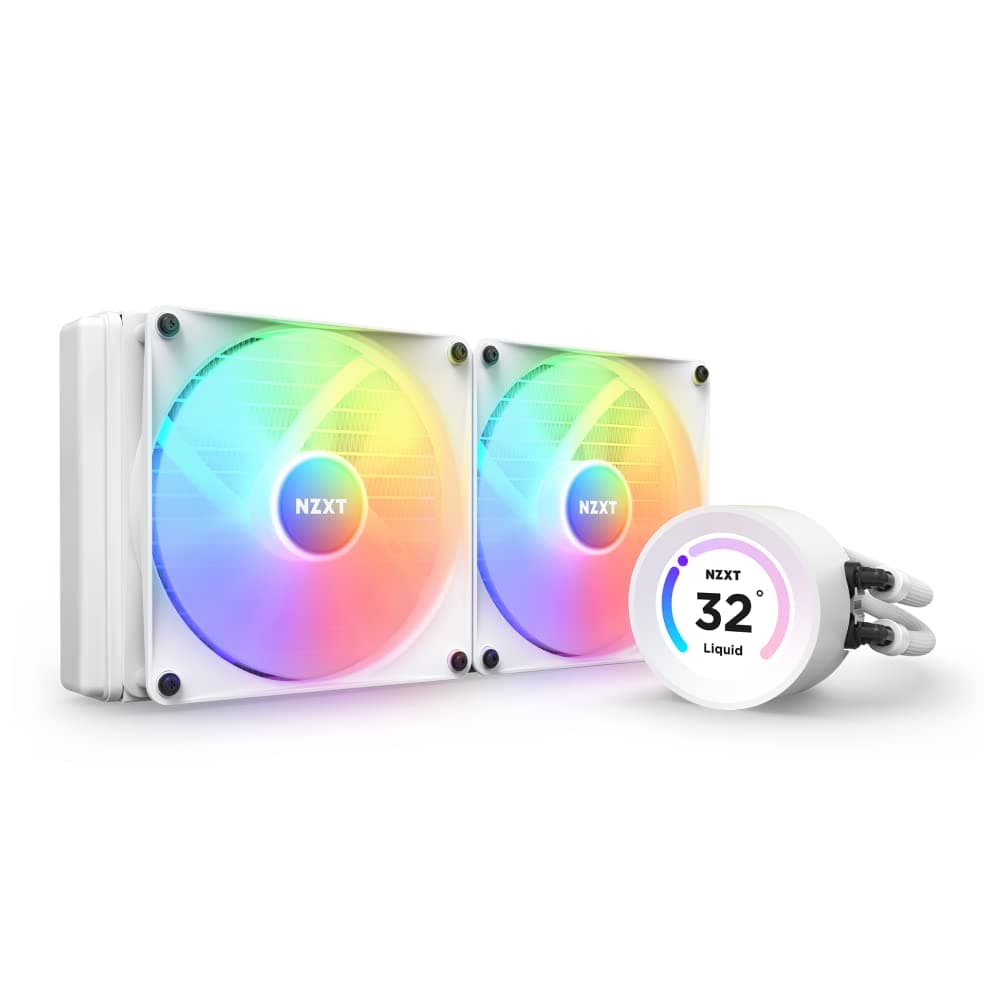
In the same 240mm class you'll be weighing newer CORSAIR iCUE LINK models and the ASUS ROG Ryujin III 240. What newer designs mainly buy you is native support for current sockets, fewer cables, and extras such as LCD screens or richer lighting.
Cooling performance at a given radiator size is dominated far more by how hard you're willing to spin the fans than by generation.
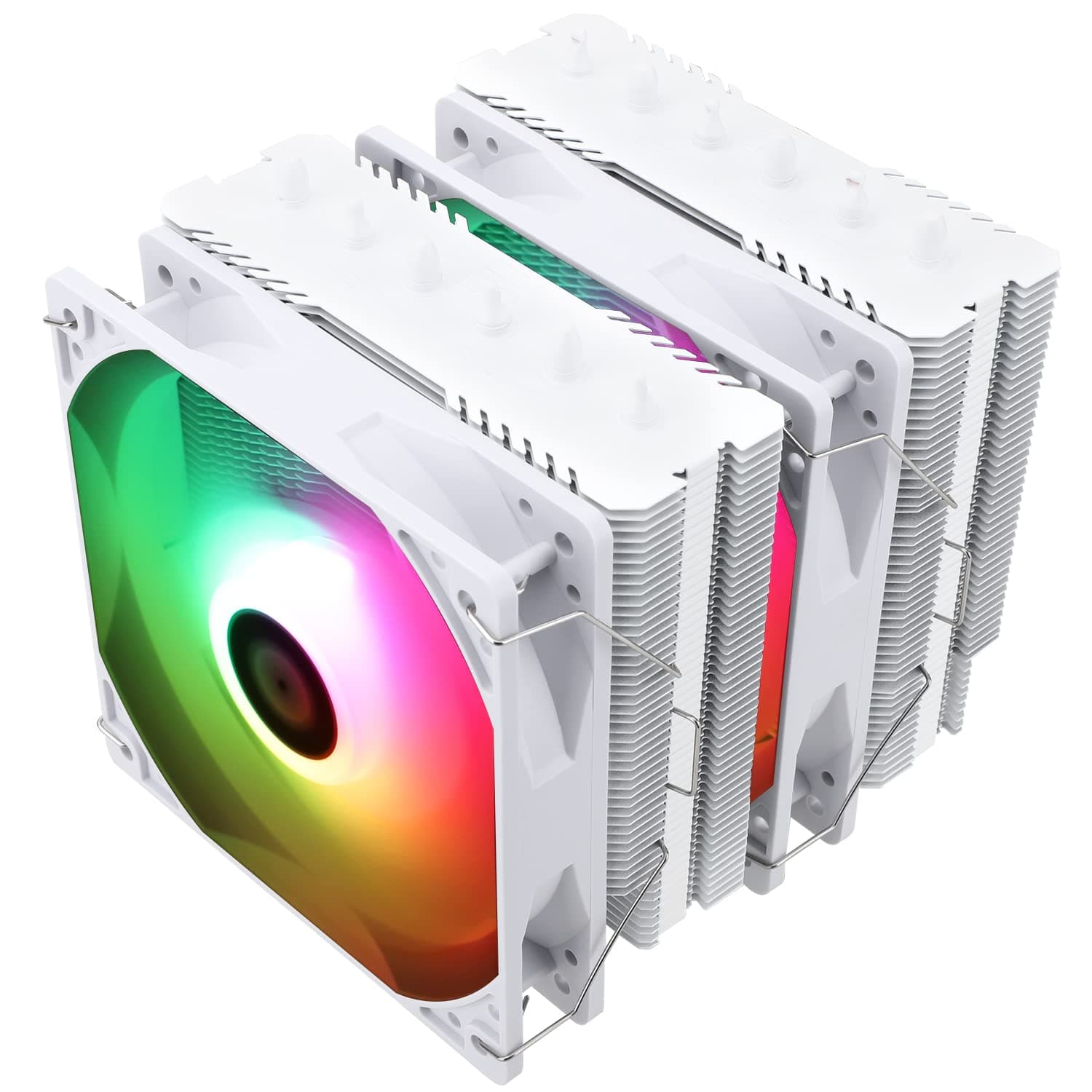
If thermal headroom is the priority, stepping up to 280mm or 360mm is the clearest upgrade: more radiator area means the same heat load is handled at lower fan speeds, which mostly shows up as reduced noise. If silence and zero moving parts matter most, seriously compare a dual-tower air cooler instead — it has no pump, and its lifespan model is entirely different.
Who It's For
- Builders with a mid-tower that genuinely fits a 240mm radiator front or top — installation is straightforward with no improvisation needed.
- Anyone who gave up on a big air tower because of RAM or side-panel interference.
- CPUs running close to the limit of air cooling, where venting heat directly out of the case also helps GPU temperatures.
- Show builds — a clear side panel looks tidier without a large tower over the socket.
- Owners of a supported-socket board already, who want a proven model with a deep review history rather than an unknown.
Before You Buy
First, the listing data itself may be inconsistent. The automated data behind this article included specs that clearly belong to a portable battery — "20000mAh capacity," "45W USB-C output," "345g weight" — none of which apply to a CPU cooler.
Those values were deliberately excluded here. When you open the product page, sanity-check whether the spec table reads like a cooler, and identify the product by the images and title.
Listing metadata errors are not rare.
Socket support is the big trap. If you are building on LGA1700 or AM5, do not assume this generation works out of the box.
A separately sold or request-based bracket may be required, and availability changes over time. "It didn't fit" is the most common return reason for older AIOs.
Treat an AIO as a consumable. Sealed loops slowly lose coolant over the years and pumps wear out.
No one can promise a specific lifespan, but this is not a part to buy expecting a decade of service the way you might with an air cooler.
"Liquid" does not mean "quiet." Two 120mm fans still have to push air through the radiator, and the pump adds a noise source at idle that air cooling doesn't have.
Plan on tuning fan curves yourself if silence matters.
Mounting orientation matters. Positions where the radiator sits below the pump — a bottom mount with tubes facing up, for instance — tend to collect air bubbles at the pump, which is a widely reported cause of gurgling noise.
Where possible, mount the radiator so its top edge sits above the pump.
Expect price swings. The ¥11,064 above is a 12 June 2026 snapshot.
AIOs in this bracket move a lot during sales, so if you're not in a hurry, watch the price for a few weeks first.
FAQ
Q. Will it mount on LGA1700 or AM5? A.
Probably not with the bundled hardware alone, given the model's generation. Check the supported-socket list on the listing, and confirm a compatible bracket is obtainable if you need one.
Q. How different is 240mm versus 360mm in practice? A.
More radiator area handles the same heat at lower fan speeds, so the biggest practical difference is noise at a given temperature rather than the temperature itself. If a 360mm fits your case, it gives you more headroom.
Q. Does it need refilling or maintenance? A.
It's a sealed all-in-one unit, so there is no user refill path. What you should do regularly is clear dust from the radiator fins and fans — a clogged radiator loses performance visibly.
Q. How long will it last? A.
Too dependent on environment and unit variation to state a number. As a general rule, a pump-equipped cooler has a shorter practical life than air cooling.
Rising pump noise is your cue to plan a replacement.
Q. How much should I trust the star rating? A.
3,349 reviews at 4.3/5 (captured 3 June 2026) is a solid sample.
But because AIOs fail with age, low scores tend to arrive years after purchase — read the negative reviews and their dates, not just the average.
Product Disclosure (Amazon)
- ASIN: B019EXSSBG
- Note: This article covers a manufacturer-made product based on Amazon listing details.