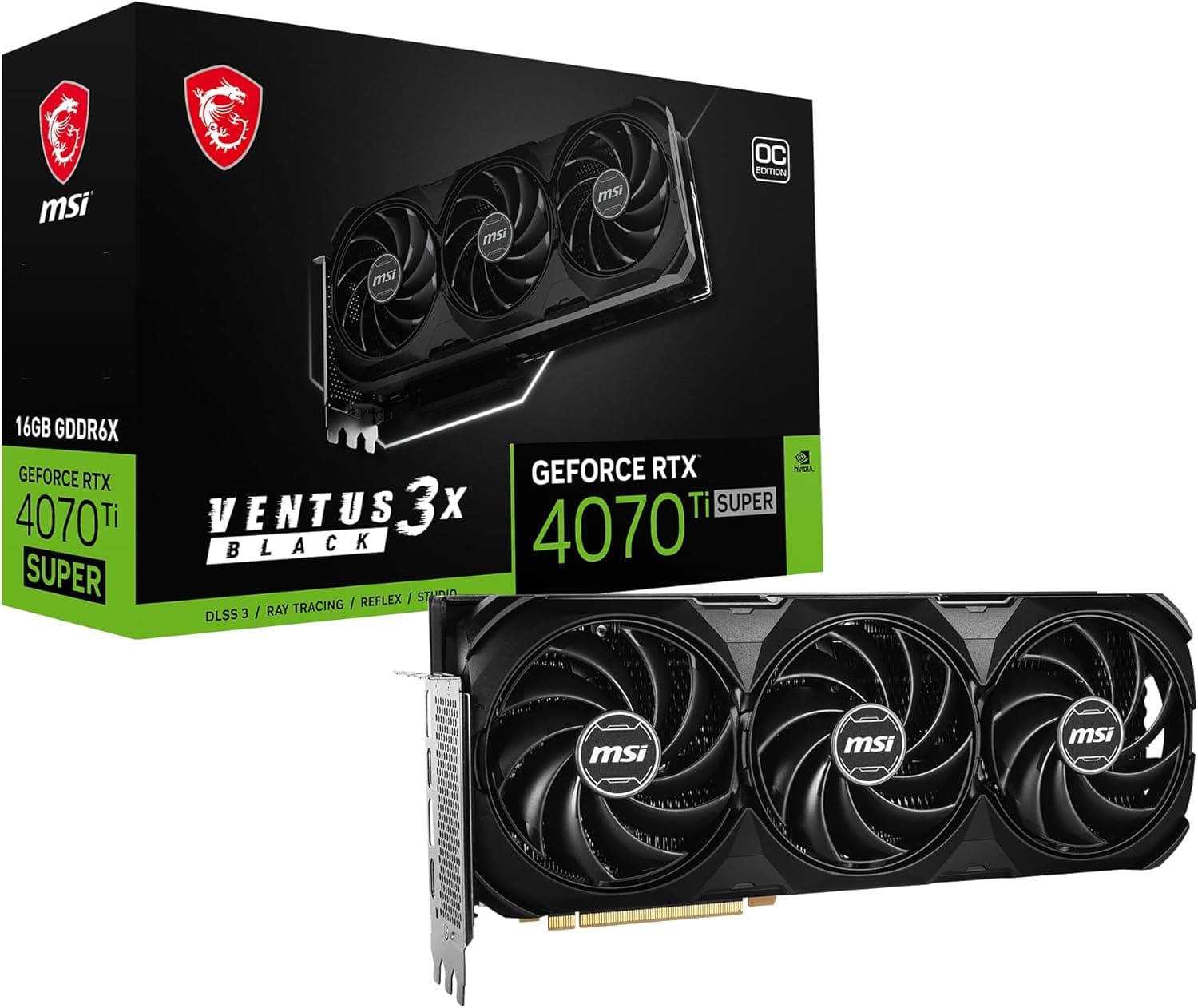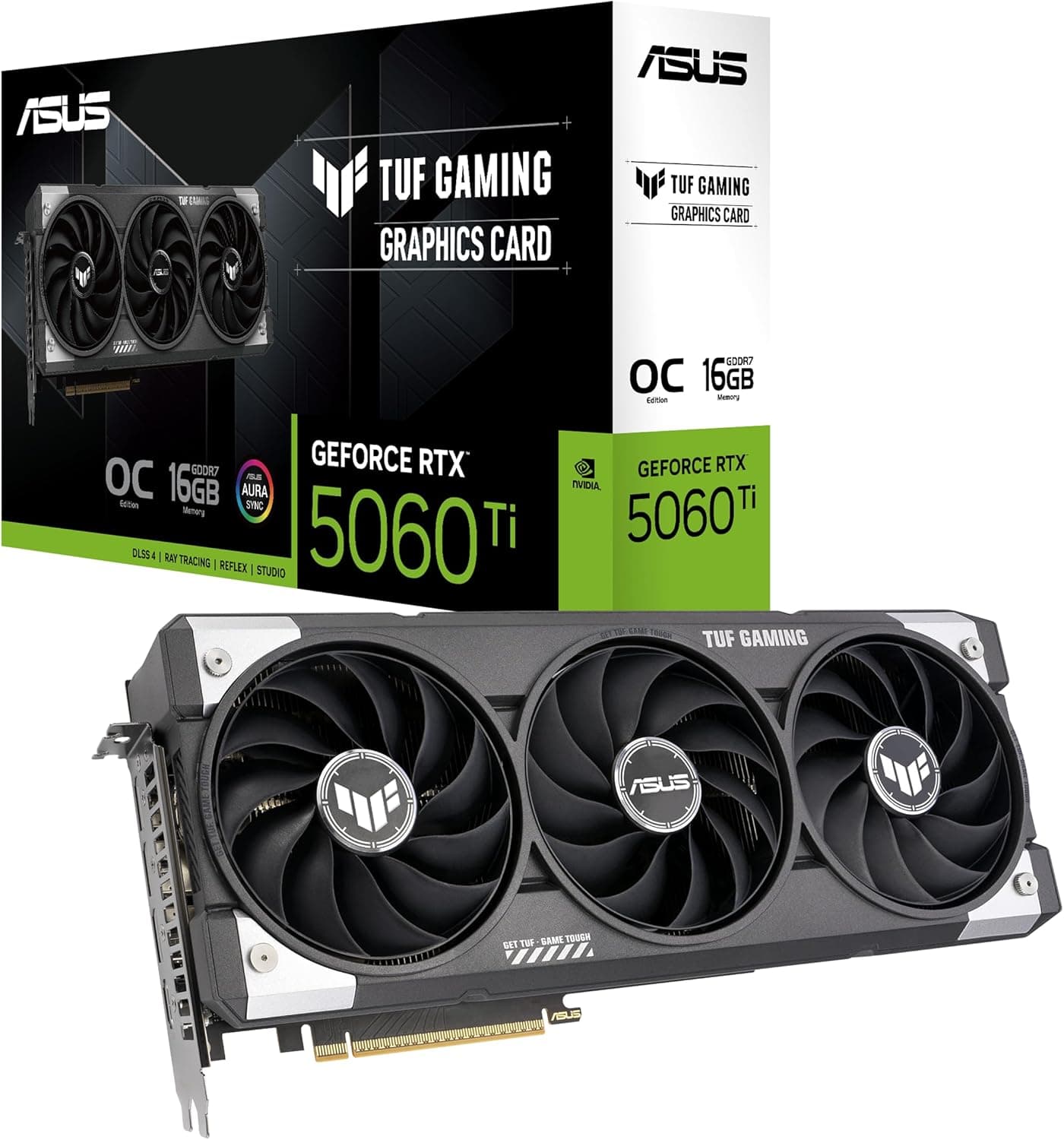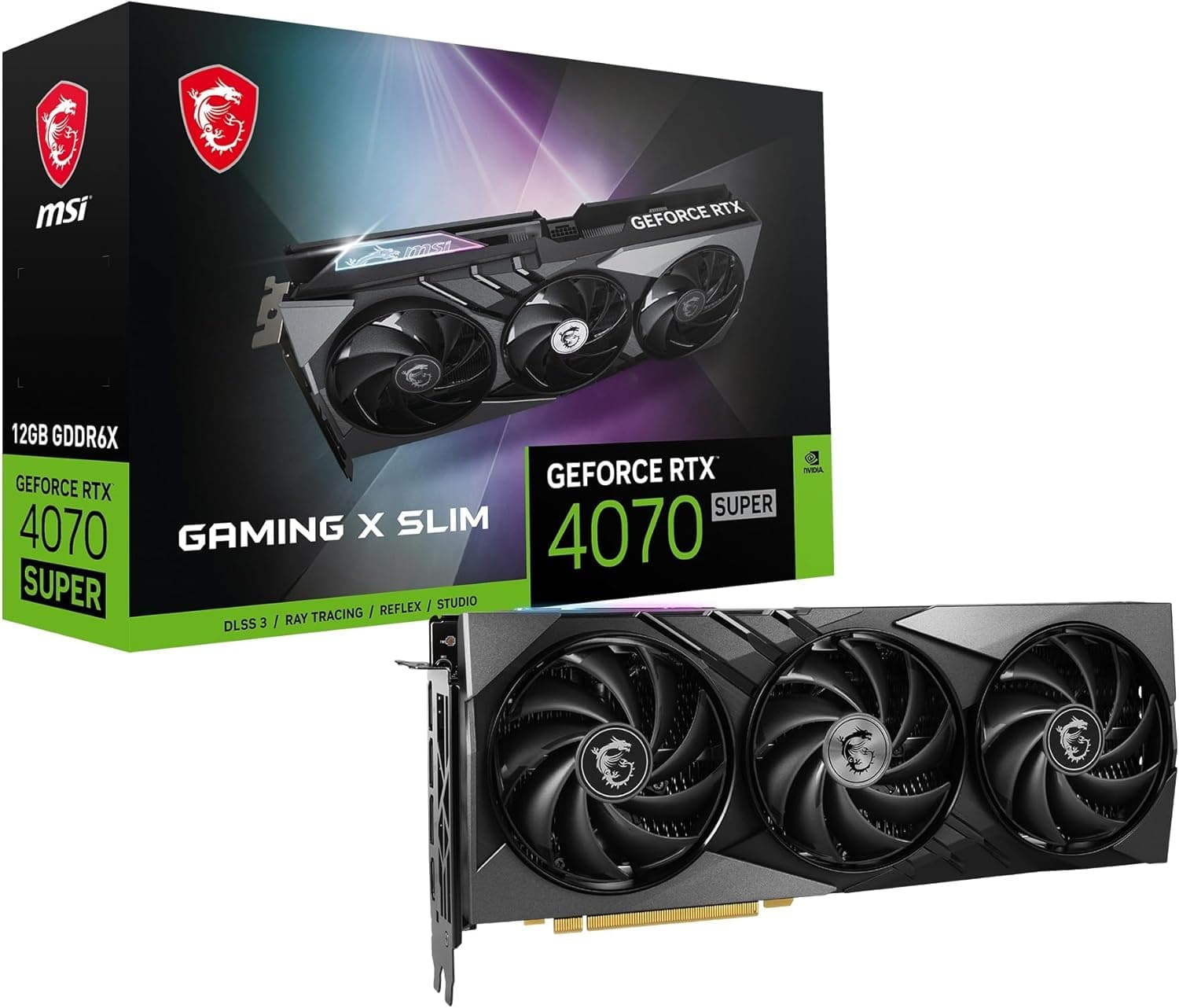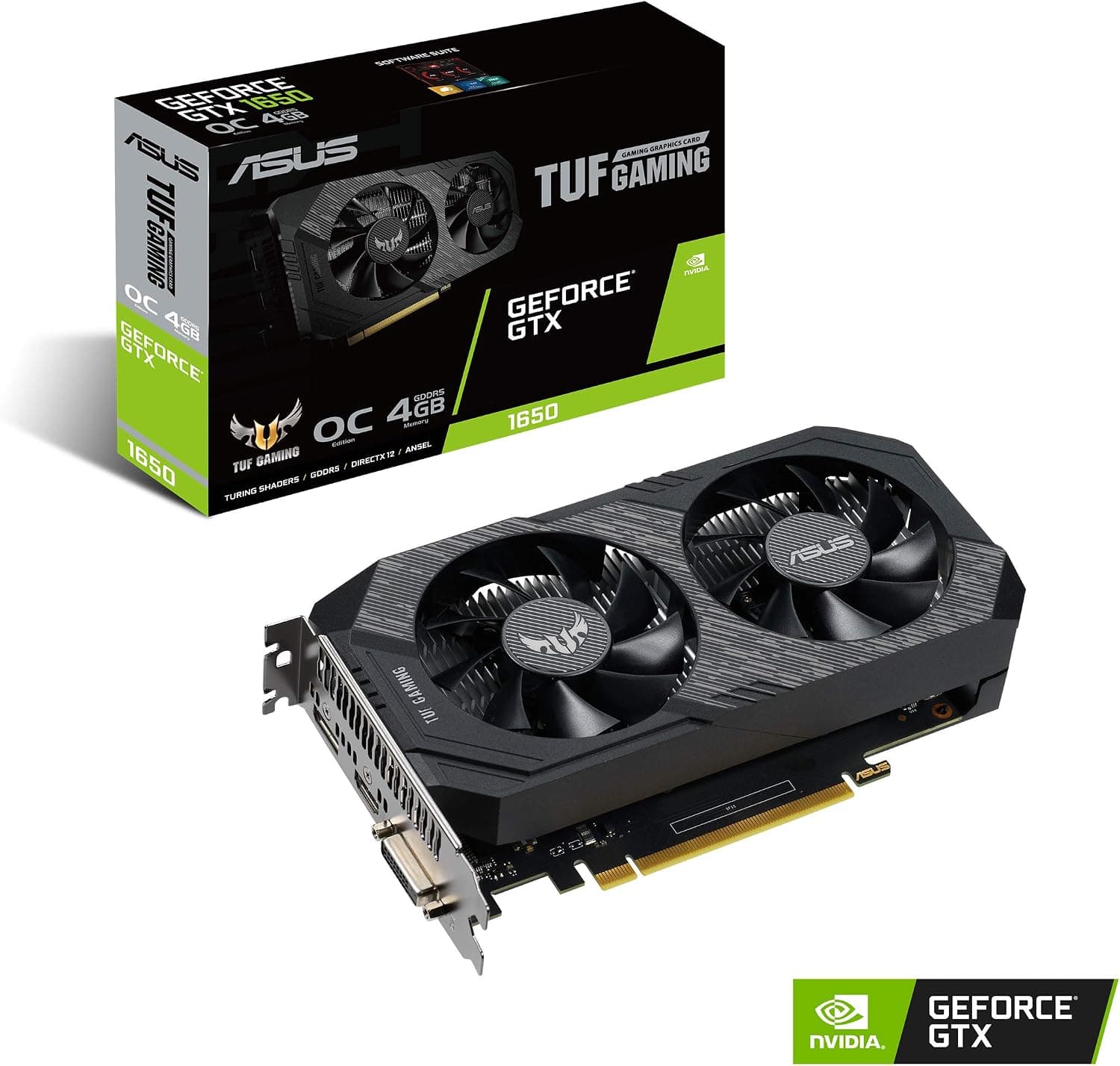
This article covers ASUS TUF Gaming NVIDIA GeForce GTX 1650 OC Edition グラフィックスカード (PCIe 3.0.
Overview
The ASUS TUF Gaming NVIDIA GeForce GTX 1650 OC Edition is an entry-level gaming graphics card built for users who prioritize reliability and cost-effectiveness. Powered by the NVIDIA Turing architecture, it features 4GB of GDDR6 memory and a boost clock of 1665 MHz, making it well-suited for 1080p gaming in esports titles and lighter AAA games at medium settings. What sets this card apart is the TUF Gaming pedigree: Auto-Extreme manufacturing ensures precise soldering, an IP5X-certified dust-resistant fan with space-grade lubricant maintains quiet operation over years, and a protective backplate prevents PCB flex. The compact 206mm length fits easily into most cases, including smaller form factors. Positioned firmly in the entry-level segment, this card skips ray tracing and DLSS support, focusing instead on solid rasterization performance at an accessible price point. It's an ideal choice for budget-conscious builders who want a dependable GPU without breaking the bank.
Compatibility Guide
PCIe Interface: PCI Express 3.0 x16; works without issue in PCIe 4.0 slots (bandwidth is not a bottleneck). Power Requirements: Requires one 6-pin PCIe power connector. Card TDP is 75W; a 300W PSU is the minimum, but 400W–450W is recommended for a full system with a modern CPU. Form Factor: Dual-slot design, 206mm length. Fits in most ATX, Micro-ATX, and many Mini-ITX cases. Outputs: HDMI 2.0b, DisplayPort 1.4, and DVI-D — compatible with a wide range of monitors, from older DVI displays to modern 4K screens.
Product Info
Released in late 2020, the ASUS TUF Gaming GTX 1650 OC Edition is available through major retailers like Japan for around ¥60,000 (price varies). ASUS typically offers a 3-year warranty (confirm with your region). Market positioning: clear entry-level. It uses the Turing architecture but lacks RT and Tensor cores, so no ray tracing or DLSS. It's a pure rasterization performer for budget builds. Key specs: NVIDIA GeForce GTX 1650 (TU117), 1665 MHz boost, 896 CUDA cores, 4GB GDDR6 on a 128-bit bus, 75W TDP, single 6-pin power.
Best Use Cases
- 1080p Esports Gamer Perfect for titles like Valorant, CS:GO, League of Legends, and Apex Legends at 1080p. Expect 100+ fps on competitive settings. Ideal for budget-conscious competitive players. 2. Low-Power / Silent PC Builder With a 75W TDP and single 6-pin connector, this card is easy on the PSU and cooling. The IP5X fan and space-grade lubricant keep noise low over time. Great for quiet home office or HTPC builds. 3. Secondary or Compact PC The short 206mm length and low heat output make it a natural fit for small-form-factor cases or a secondary gaming rig for light use. Who should NOT buy: Gamers who want to play the latest AAA titles at high settings with ray tracing, or those needing more than 4GB VRAM for texture-heavy games. Consider an RTX 3050 or higher for those needs.
Things to Consider
First, understand this is an entry-level card. 4GB VRAM is becoming a bottleneck in newer games; you'll need to lower texture quality to medium or low. No ray tracing or DLSS support means you miss out on modern graphical features. Competitors include the GTX 1650 GDDR5 version (slower memory) and AMD's RX 6400/6500 XT. The GDDR6 version offers ~50% more memory bandwidth than the GDDR5 variant, but the price premium may not always be justified. Also, on the used market, you might find RTX 2060 or GTX 1660 Super cards at similar prices — those offer significantly better performance. Power note: the 6-pin connector is required; older PSUs without a 6-pin cable won't work. Check your PSU before buying. ## FAQ
Q: What's the difference between the GDDR6 and GDDR5 versions of the GTX 1650? A: The GDDR6 version has roughly 50% more memory bandwidth, which helps in games that rely on fast texture streaming. It's a meaningful upgrade, but comes at a higher price. If your budget allows, the GDDR6 version is recommended. Q: Can this card run Fortnite smoothly? A: Yes, at 1080p medium settings you'll get 60–90 fps. On competitive settings (low + high frame rate target), 120+ fps is achievable. Epic settings will struggle, so adjust accordingly. Q: What PSU wattage do I need? A: The card itself draws 75W, but a full system with a modern CPU (e.g., Ryzen 5 or Core i5) needs at least 400W. A 450W unit is a safe bet. If you have a high-end CPU, go higher.
Product Disclosure (Amazon)
- Manufacturer: ASUS
- Seller: ファインデリバリーサービス
- Fulfilled by: ファインデリバリーサービス
- ASIN: B08G5CQMJ3
- Note: This article covers a manufacturer-made product based on Amazon listing details.