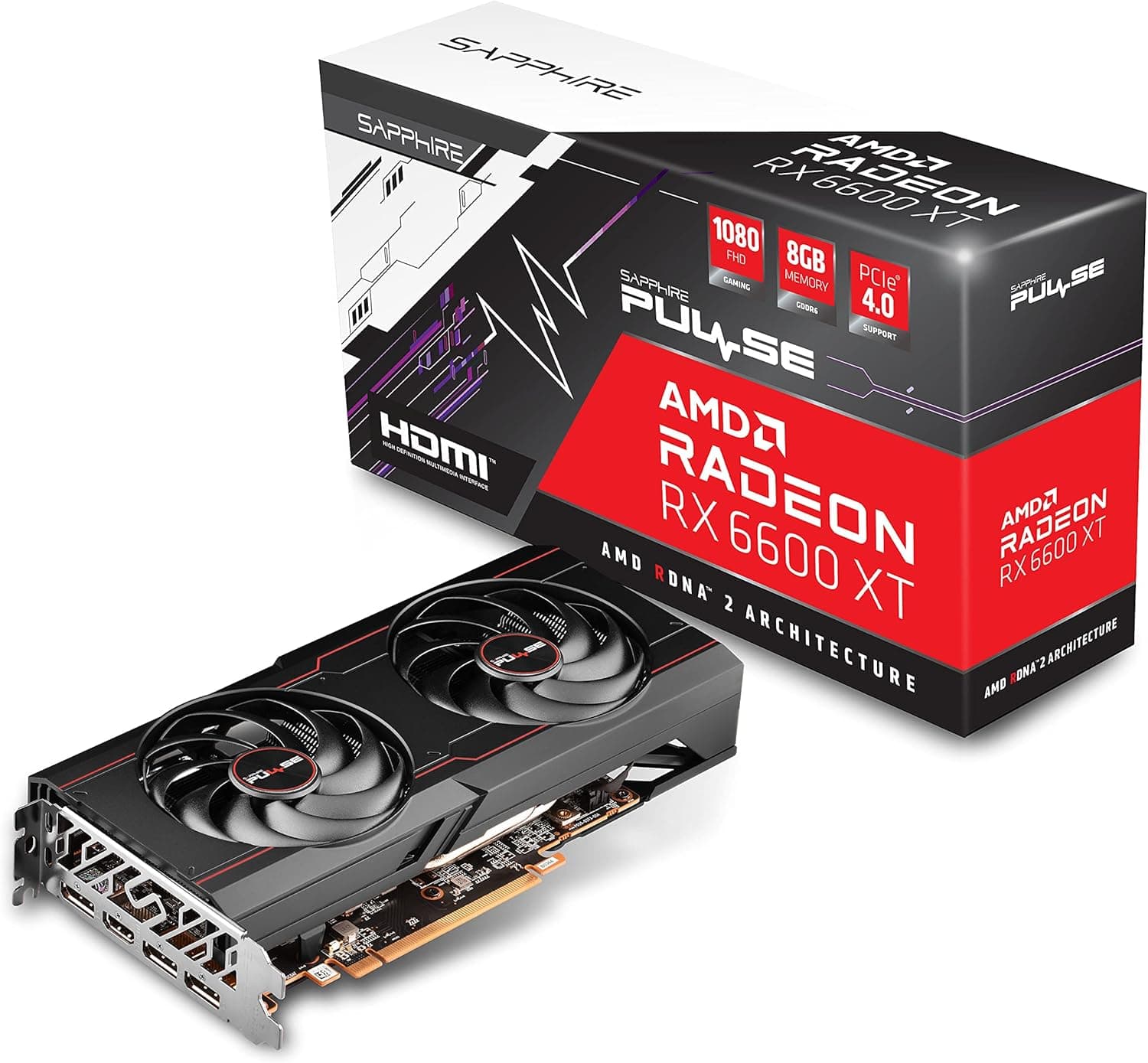
This article covers Sapphire Technology 11309-03-20G PULSE AMD Radeon RX 6600 XT ゲーミンググラフィックカード.
Overview
Sapphire Technology presents the 11309-03-20G PULSE AMD Radeon RX 6600 XT 8GB GDDR6 graphics card, a compelling option for gamers seeking high frame rates at 1080p resolution. Built on AMD's RDNA 2 architecture, this dual-fan card offers 8GB of GDDR6 memory and supports PCI Express 4.0 for fast data transfers. Positioned squarely in the mid-range segment, the RX 6600 XT competes head-to-head with NVIDIA's GeForce RTX 3060. It delivers smooth performance in esports titles like 'Apex Legends' and 'Fortnite', while handling modern AAA games at medium to high settings without breaking a sweat. Its power efficiency and relatively low price make it an accessible entry point for PC gaming. The card features a 128-bit memory interface, a boost clock of up to 2593 MHz, and a compact dual-slot design measuring approximately 240mm in length. This ensures compatibility with most mid-tower cases while keeping thermal output manageable.
Compatibility Guide
Socket: No CPU socket involved; the GPU slots into a standard PCI Express 4.0 x16 slot. It is backward compatible with PCIe 3.0 motherboards for physical installation, though bandwidth throttling may occur in bandwidth-heavy workloads. Memory: GDDR6 VRAM with 8GB capacity is sufficient for 1080p gaming; 1440p users may encounter memory limits in demanding titles. Form Factor: A dual-slot card, roughly 240mm long. Ensure your case has adequate clearance, especially in compact Mini-ITX builds. PCIe: Utilizes PCI Express 4.0 x16 interface; operates in x8 mode if available, but full bandwidth is recommended. Power: Requires a single 8-pin PCIe power connector. Recommended system PSU wattage is 500W or higher. TDP is rated around 160W. Storage: No direct storage compatibility issues, but the card occupies the PCIe x16 slot, so plan your motherboard's layout accordingly.
Product Info
The Sapphire PULSE RX 6600 XT is a mid-range graphics card based on AMD's RDNA 2 architecture. Released in August 2021, it currently retails for around $300–$350 USD (approximately ¥45,000–¥55,000 JPY). Warranty is typically 2 years from the manufacturer. It is widely available on and other major PC hardware retailers. Market positioning: it sits at the upper end of entry-level to mid-range. It's optimized for high-refresh 1080p gaming, with enough headroom for lighter 1440p titles. Compared to the RTX 3060, it offers slightly better raw rasterization performance and lower power consumption, making it a strong value proposition for budget-conscious gamers.
Best Use Cases
1080p 144fps Gaming Enthusiasts: In competitive titles like 'Valorant', 'CS2', and 'Overwatch 2', expect a steady 144fps+ at max settings. Ideal for gamers who want high frame rates without the premium price of a higher-tier card. Budget-Conscious First-Time Builders: Perfect for system builds around a $700–$900 total budget. The low 160W TDP allows pairing with a high-quality 500W–550W PSU, saving costs elsewhere. Light 1440p Players: If you're willing to drop settings to medium-high in AAA games, you can achieve solid 60fps+ at 1440p. However, casual users should note it's not a 1440p powerhouse. Casual Upgraders: Users moving from older GPUs like GTX 1060 or RX 580 will see a massive generational leap in both performance and efficiency. ## Alternatives
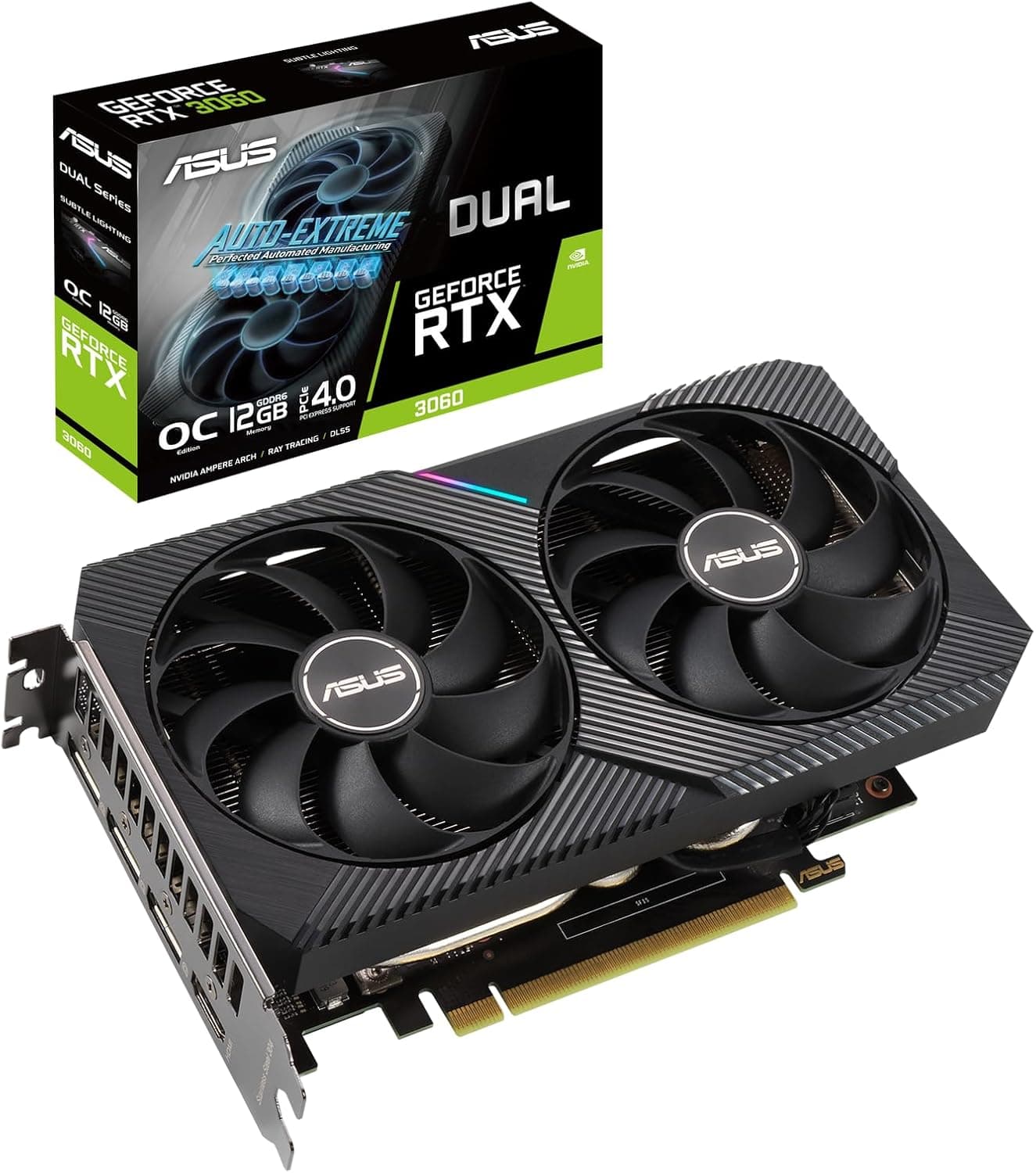
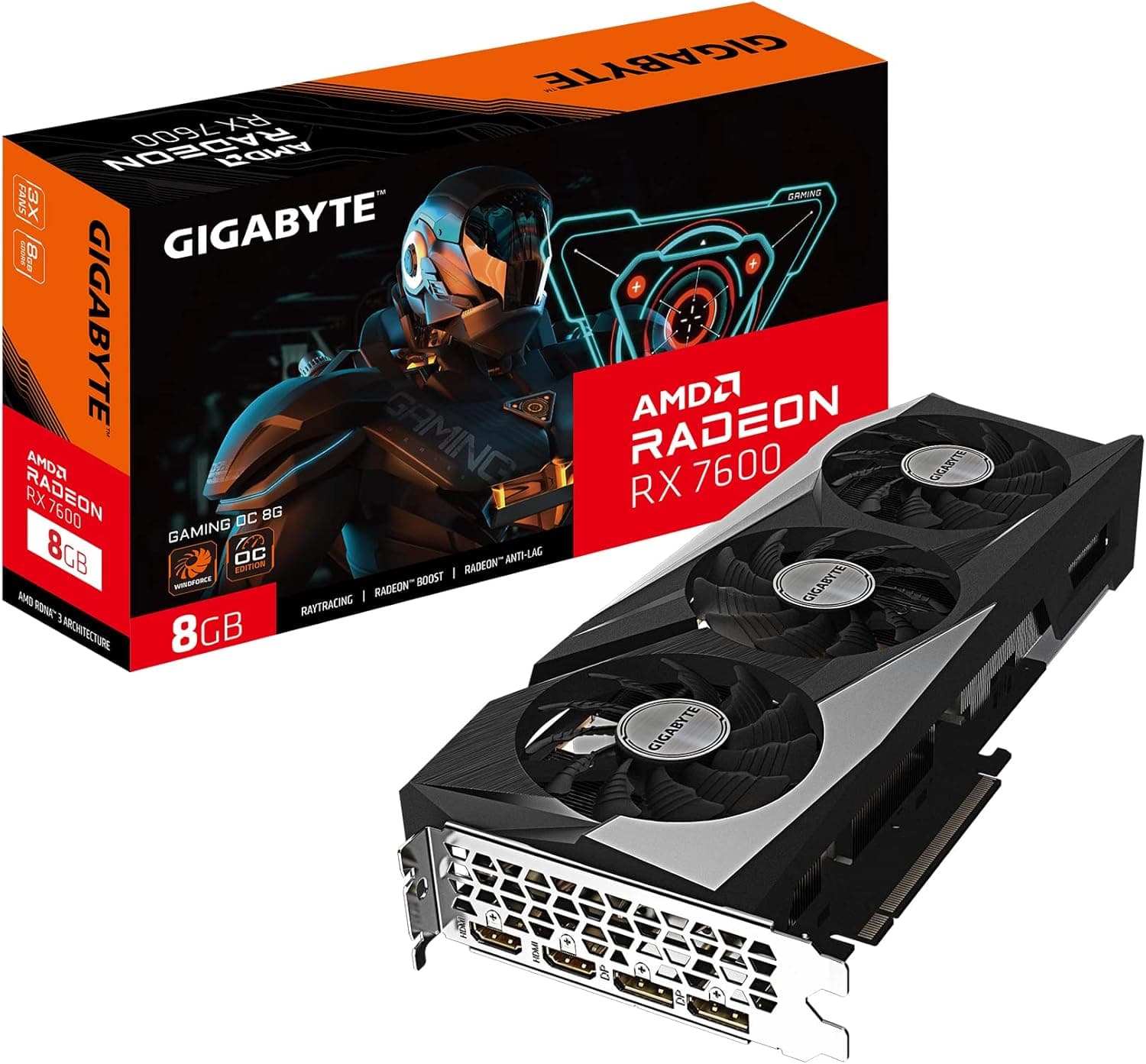
Direct competition comes from NVIDIA's GeForce RTX 3060 (12GB). The RX 6600 XT generally wins in raw 1080p performance and power efficiency, but the RTX 3060 has 12GB VRAM, which future-proofs better for texture-heavy modding or 1440p. DLSS support also gives NVIDIA an edge in ray-tracing enabled titles. Another alternative is AMD's own Radeon RX 7600 (if priced similarly). While the RX 7600 is newer and slightly faster, the RX 6600 XT often offers better value when discounted. The older Radeon RX 5600 XT is also a cheaper option, but lacks ray tracing capabilities.
Things to Consider
VRAM Limitation: The 8GB VRAM buffer is becoming a concern for newer AAA games at 1440p with high textures. Ray tracing rapidly consumes VRAM, so expect drops if you enable it. Ray Tracing Performance: Ray tracing performance is comparable to the RTX 3060, but falls behind NVIDIA's RTX 4060 series. If ray tracing is a priority, consider an NVIDIA card. PCIe 3.0 Impact: While functional, using a PCIe 3.0 motherboard can theoretically reduce bandwidth by up to 15% in certain synthetic loads, though real-world gaming differences are minimal. Physical Size: At ~240mm length, it fits most mid-towers but may be tight in smaller Mini-ITX cases. Always check your case's max GPU length before purchasing. ## FAQ Q: Can this card handle 4K gaming? A: Generally not recommended. VRAM and raw compute power fall short for 4K, often delivering <30fps even at low settings. Look at RX 7800 XT or higher for 4K gaming. Q: Will it work with a PCIe 3.0 motherboard? A
Product Disclosure (Amazon)
- Manufacturer: SAPPHIRE
- Seller: Reg shop
- Fulfilled by: Reg shop
- ASIN: B09C7RMJ5Z
- Note: This article covers a manufacturer-made product based on Amazon listing details.