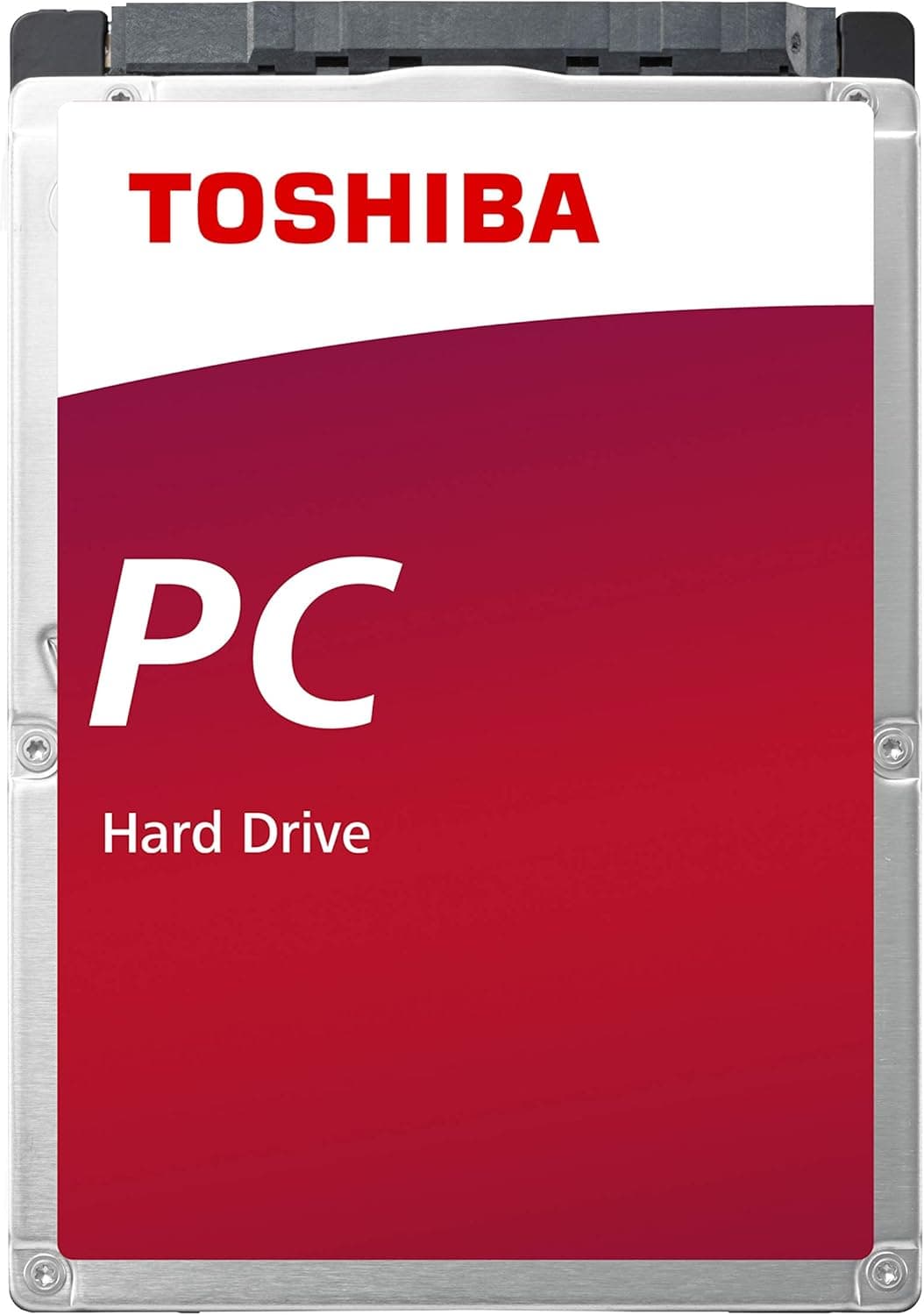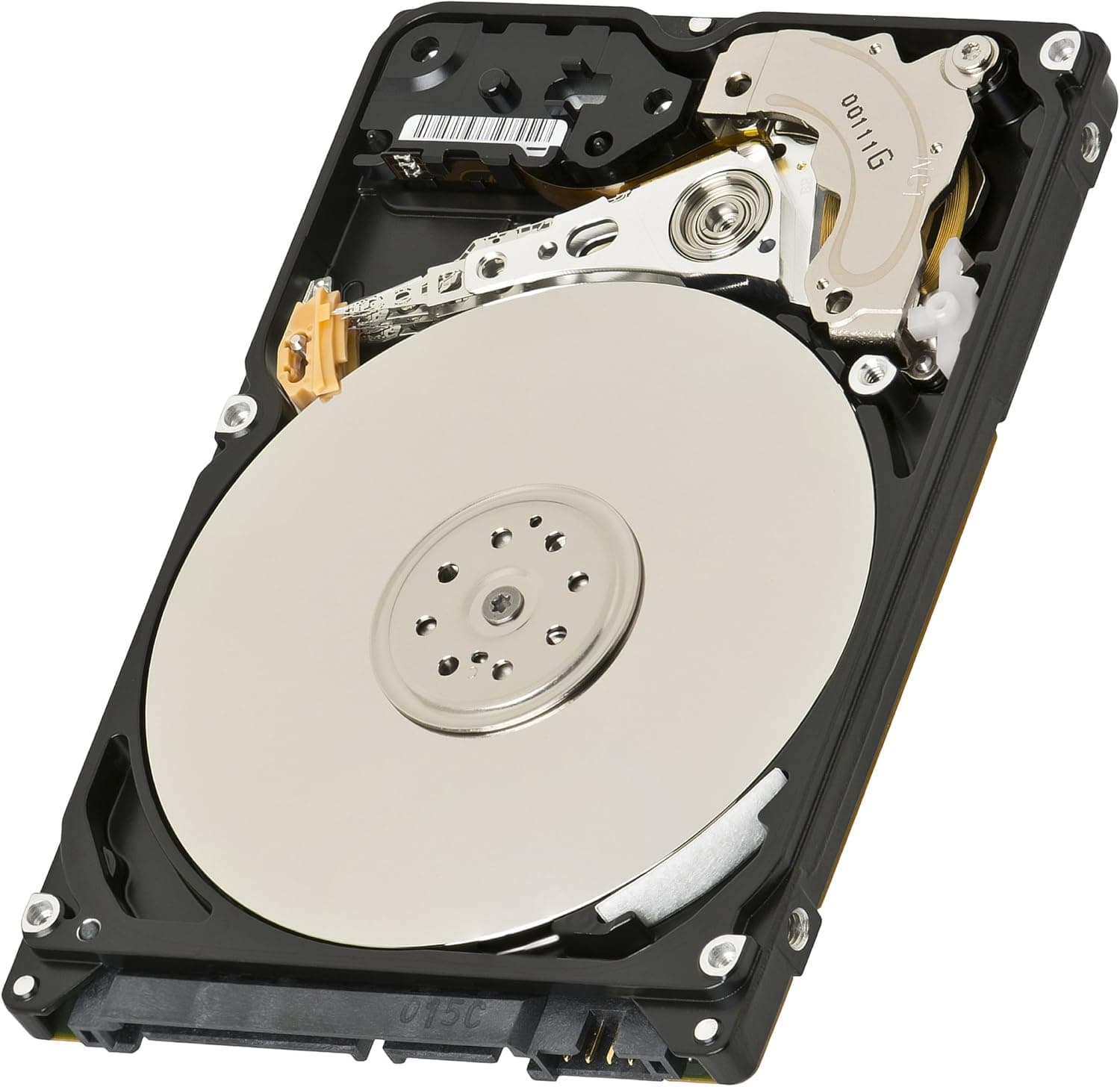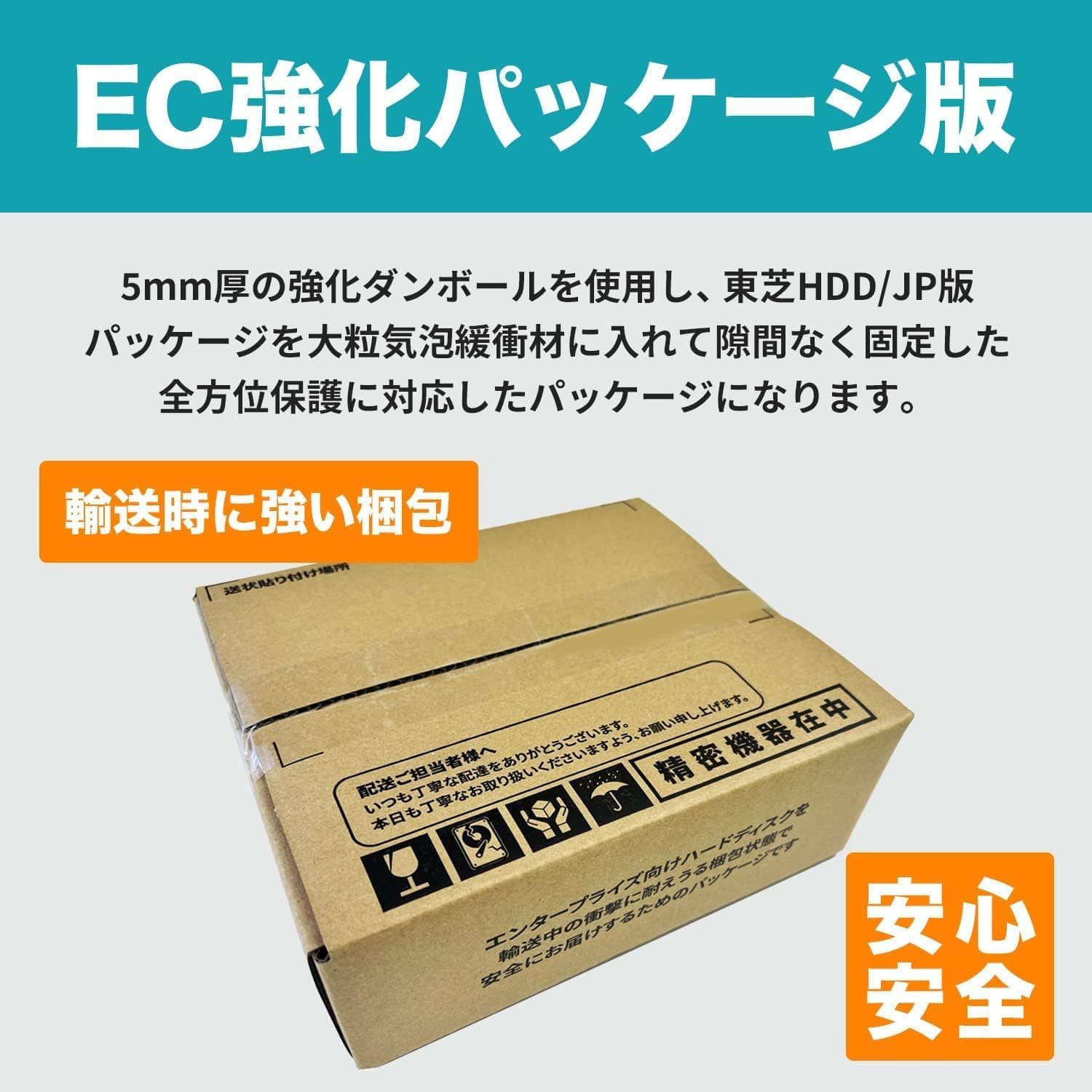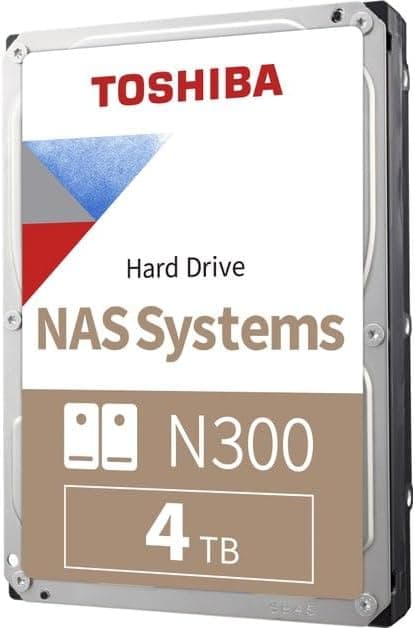
This article covers 東芝 N300 NAS.
Overview
The Toshiba N300 series is purpose-built for NAS and network storage environments. This 4TB internal hard drive features a 3.5-inch form factor, SATA 6Gb/s interface, 7200 rpm spindle speed, and 256 MB cache buffer. Engineered for 24/7 continuous operation, it delivers the reliability and performance needed for small office and home NAS setups. Toshiba's Dynamic Cache Technology and Stable Platter Technology further enhance real-time data access and durability.
Compatibility Guide
This drive uses the standard 3.5-inch SATA form factor, fitting into most NAS enclosures (1 to 8 bays) and desktop PCs. It supports SATA 6Gb/s and is backward compatible with SATA 3Gb/s. Power is supplied via a standard SATA power connector. It works seamlessly with popular NAS brands such as Synology, QNAP, and ASUSTOR.
Product Info
The Toshiba N300 NAS 4TB is a mid-range HDD aimed at home and small business NAS users. It offers a 3-year warranty and is designed for 24/7 operation. With a proven track record for reliability, it remains a solid choice for those who need dependable bulk storage. It is available from Toshiba's official website and major online retailers.
Best Use Cases
Home NAS: Ideal for storing photos, videos, and documents accessible from multiple devices. 4TB provides ample space for a family's shared data. Small Office File Server: Suitable for RAID configurations for file sharing and backup. Its 24/7 rating ensures consistent performance in business environments. * Media Server: Great for Plex or Emby servers where large, reliable storage is needed for a media library.
Things to Consider
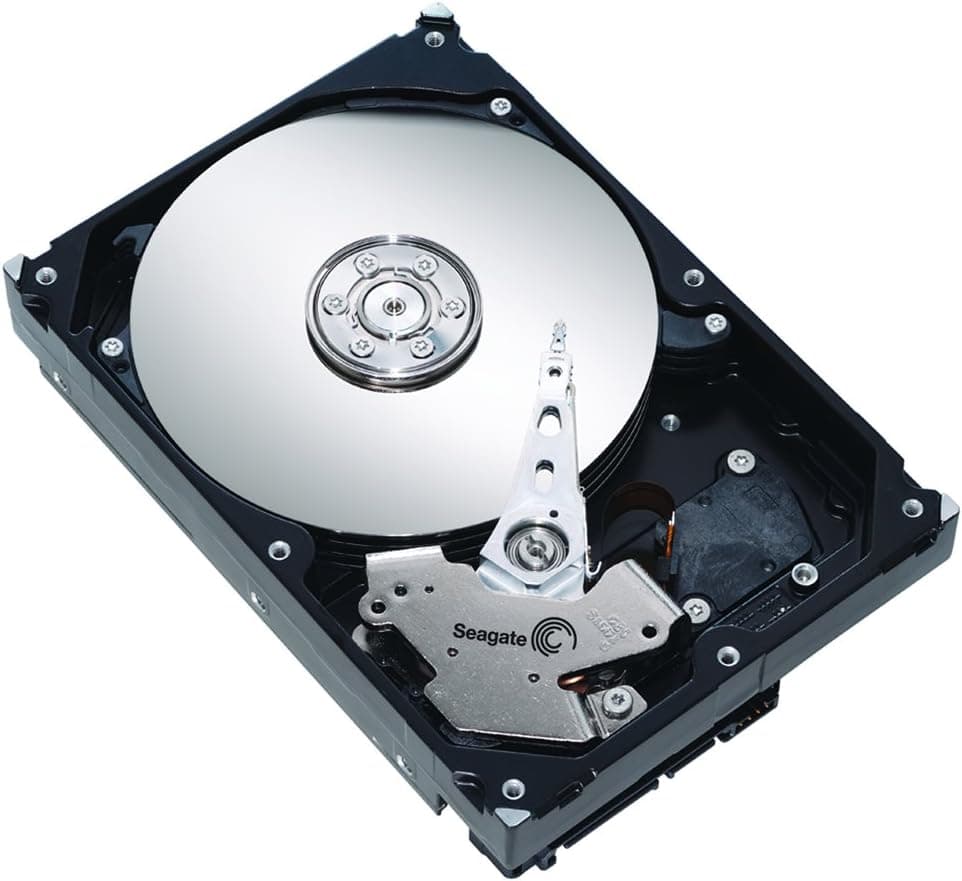
While optimized for NAS, this drive can also be used in standard desktop PCs. However, HDDs are significantly slower than SSDs, so it should not be used as a boot drive. The 7200 rpm speed produces moderate noise and vibration, which may be noticeable in quiet environments. Competitors like Seagate IronWolf and WD Red Plus offer similar specs, so compare warranty terms and pricing. For RAID arrays, using drives from the same batch is recommended to minimize performance variation.