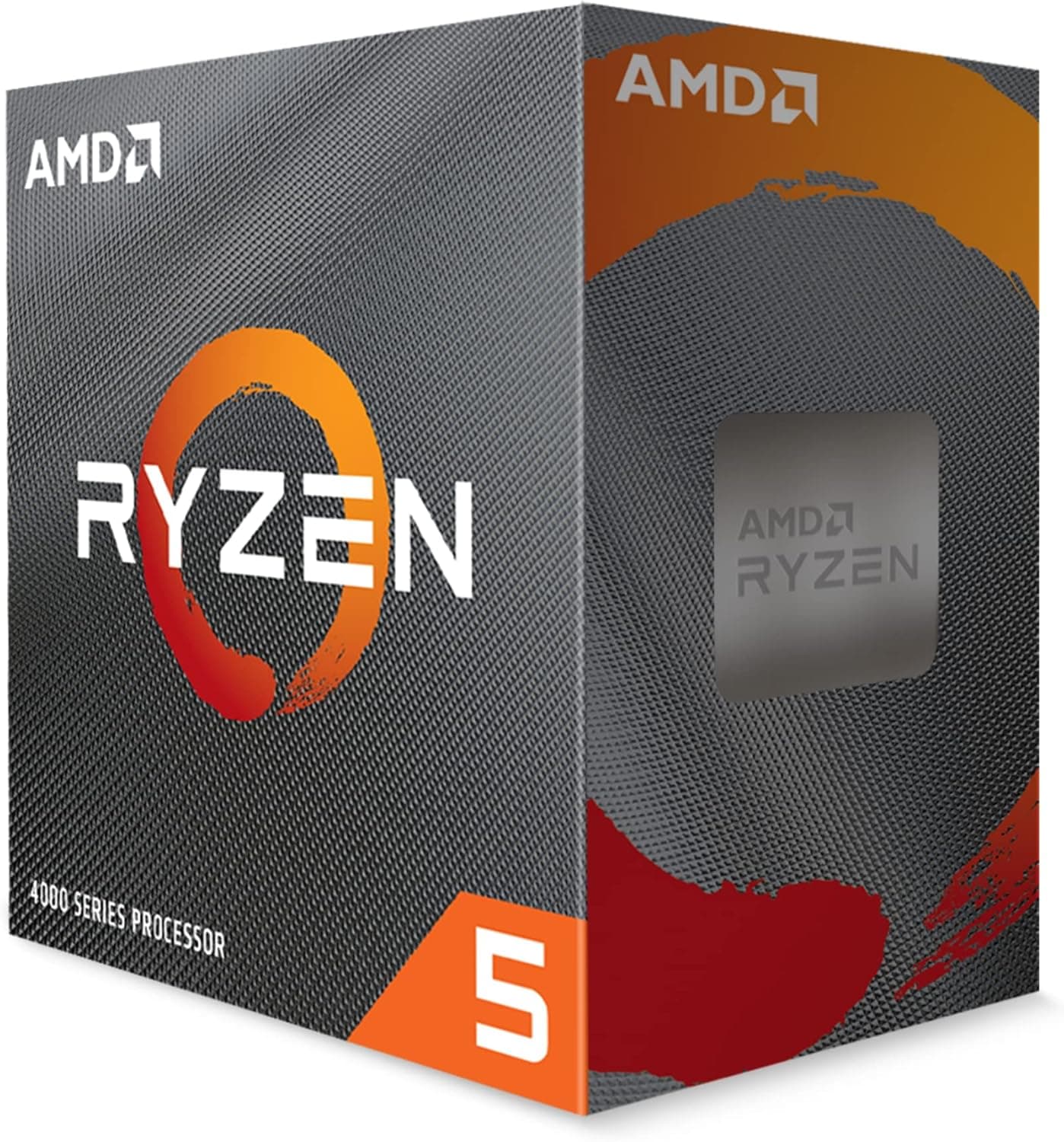
This article covers Intel CPU Broadwell-E Core i7-6800K 3.40GHz 6コア.
Overview
Intel's Core i7-6800K is a six-core, twelve-thread processor from the Broadwell-E family, built for the high-end desktop LGA2011-3 platform. It runs at a base clock of 3.4 GHz with a turbo frequency of 3.6 GHz and packs 15 MB of L3 cache. The chip supports quad-channel DDR4-2400 memory and provides 28 PCIe 3.0 lanes from the CPU itself. Launched in May 2016 on the 14 nm process, the i7-6800K carries a 140 W TDP and requires a discrete cooler. While the X99 platform is now several generations old, this CPU still offers respectable multi-threaded performance for a very low entry price—often found in the $150–200 range on clearance or the second-hand market. For budget-conscious builders who need a six-core CPU without the cost of a modern platform, the i7-6800K can be a compelling option, provided you are comfortable with older hardware and limited upgrade paths.
Compatibility Guide
Socket: LGA2011-3 exclusively. Compatible motherboards use the Intel X99 chipset. No other socket works. Memory: DDR4-2400 (official). The quad-channel memory controller is best utilized with four identical DIMMs. PCIe: CPU provides 28 PCIe 3.0 lanes (plus additional lanes from the PCH). Supports multi-GPU setups, but lane distribution varies by motherboard. Form Factor: Most X99 boards are ATX or E-ATX. Mini-ITX X99 boards are rare and expensive. * Power Supply: The CPU alone draws up to 140 W. For a system with a mid-to-high-end GPU, a 650 W or higher PSU is recommended.
Product Info
The Core i7-6800K sits at the entry point of the Broadwell-E lineup, offering six cores at a lower price than the 8‑core 6900K. Its original MSRP was around $434, but today new-old-stock units can be found for roughly $200. Market positioning: an entry-level high-end CPU for users who want more than four cores on a budget. It cannot match modern CPUs in single-thread speed, but it still delivers solid multi-threaded performance for encoding, compiling, and virtualization. Warranty is typically three years for boxed Intel processors, though stock age may affect actual coverage. Always verify with the seller.
Best Use Cases
Budget multi-threaded workstation: Perfect for video transcoding, 3D rendering on a budget, or running multiple virtual machines. The six physical cores provide a meaningful advantage over quad-core CPUs at a similar price point. High-PCIe-lane expansion: Users who need multiple GPUs, NVMe SSDs, and capture cards simultaneously. The 28 CPU lanes offer more direct connectivity than most modern mainstream platforms. Home server or NAS: If you can find a cheap X99 motherboard, the i7-6800K can serve as a capable home server CPU, especially if undervolted for lower idle power. Not recommended for*: pure gaming (single-thread bottleneck in many titles), ultra-compact builds (Mini-ITX X99 boards are hard to find), or users who need modern features like DDR5 or PCIe 5.0.
Things to Consider
The entire platform (LGA2011-3 + X99) is obsolete. BIOS updates and official support have ended. You are limited to used or clearance motherboards. Memory overclocking beyond DDR4-2400 is possible but unsupported—stability is not guaranteed. The 140 W TDP demands a capable cooler. At least a 240 mm AIO or a high-end air cooler is advised. Compared to a second-hand Ryzen 5 2600 system, the i7-6800K offers more PCIe lanes but worse single-thread performance and power efficiency. * If buying new-old-stock, confirm warranty terms with the retailer—some may only honor the original manufacturing date. ## FAQ
Q: What motherboards work with the Core i7-6800K? A: Only motherboards with the Intel X99 chipset and LGA2011-3 socket. Most X99 boards require a specific BIOS version to support Broadwell-E CPUs, so check compatibility lists before purchasing. Q: Can this CPU handle modern games? A: In CPU-bound titles at 1080p, the i7-6800K may struggle against newer quad-core processors. However, at higher resolutions (1440p or 4K), GPU becomes the main bottleneck, and the six cores can still deliver playable frame rates in many AAA titles. Competitive FPS gamers should look for a newer platform. Q: Do I need to populate all four memory slots? A: No, but quad-channel operation requires four DIMMs. With two DIMMs you get dual-channel bandwidth, which halves memory throughput. For workloads sensitive to memory bandwidth (e.g., compression, rendering), four sticks are highly beneficial.
Product Disclosure (Amazon)
- Manufacturer: インテル
- Seller: world trade shop
- Fulfilled by: world trade shop
- ASIN: B01FJLA8NI
- Note: This article covers a manufacturer-made product based on Amazon listing details.