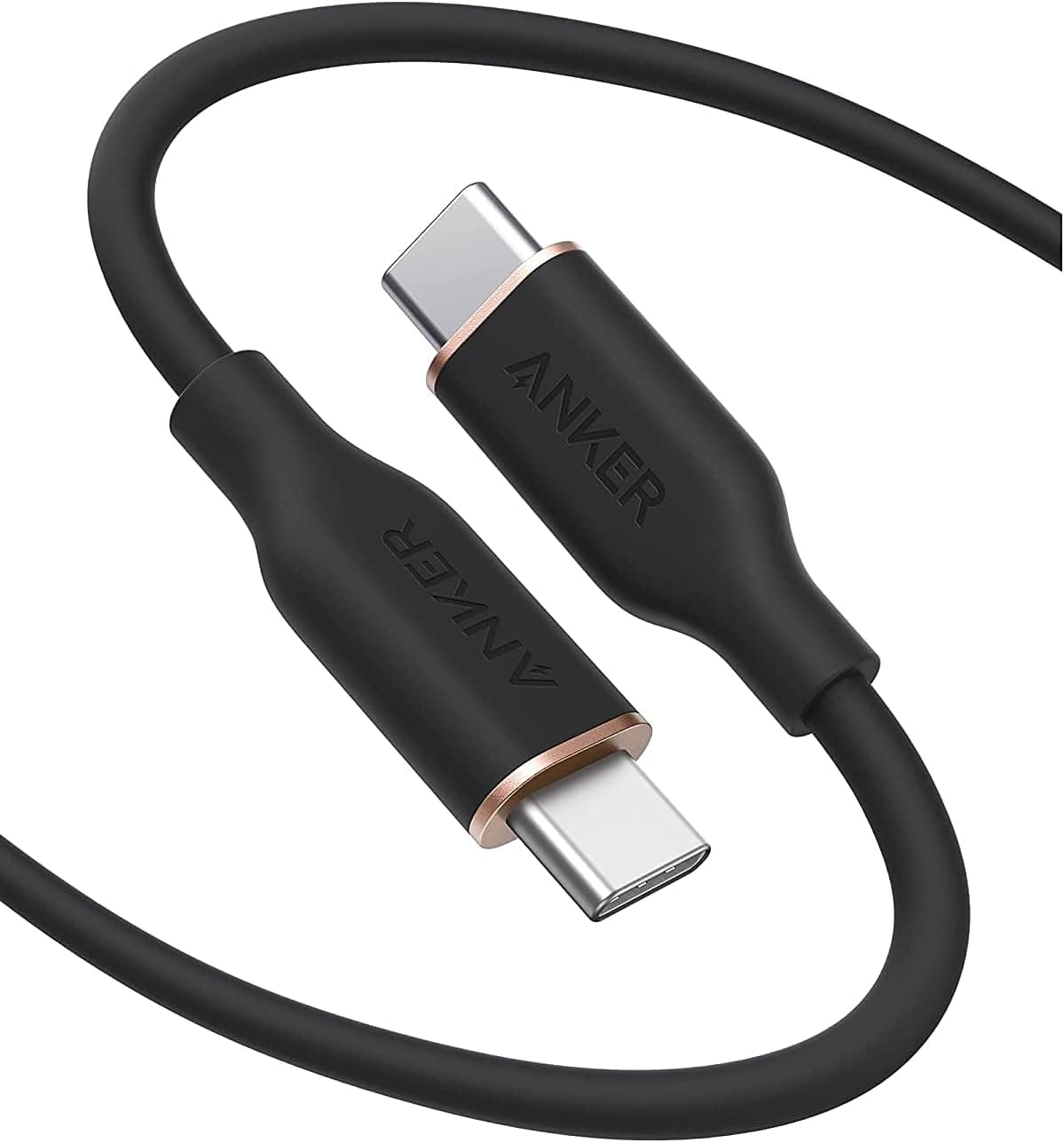
This article covers Anker PowerLine III 240W USB-C ケーブル.
Overview
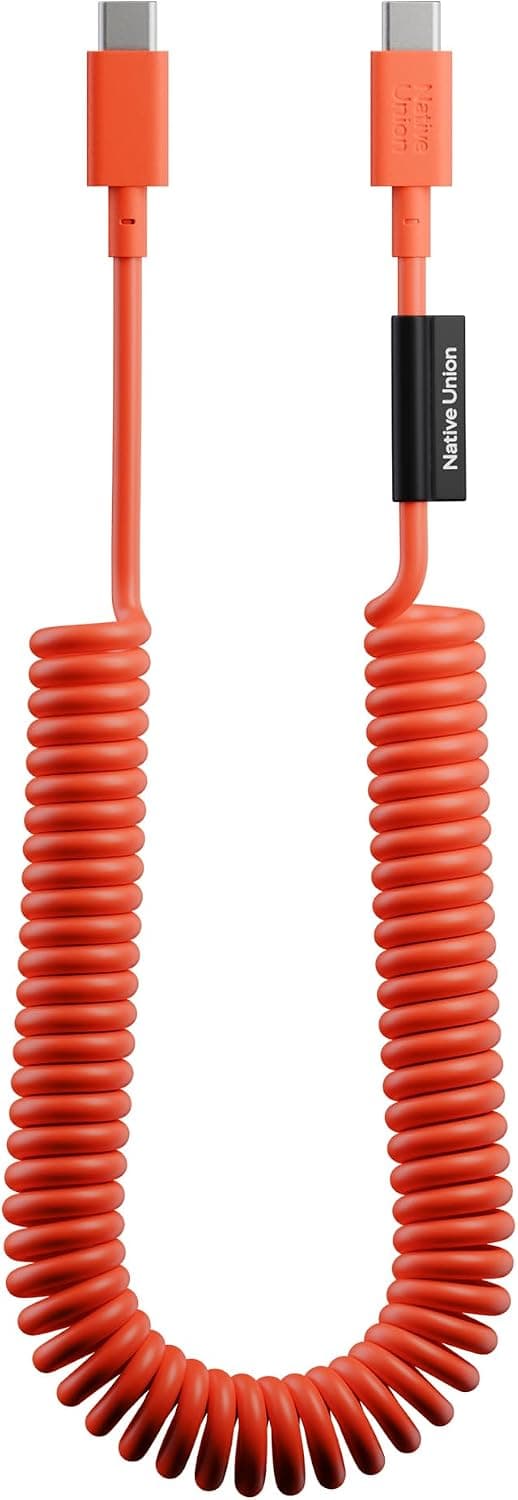
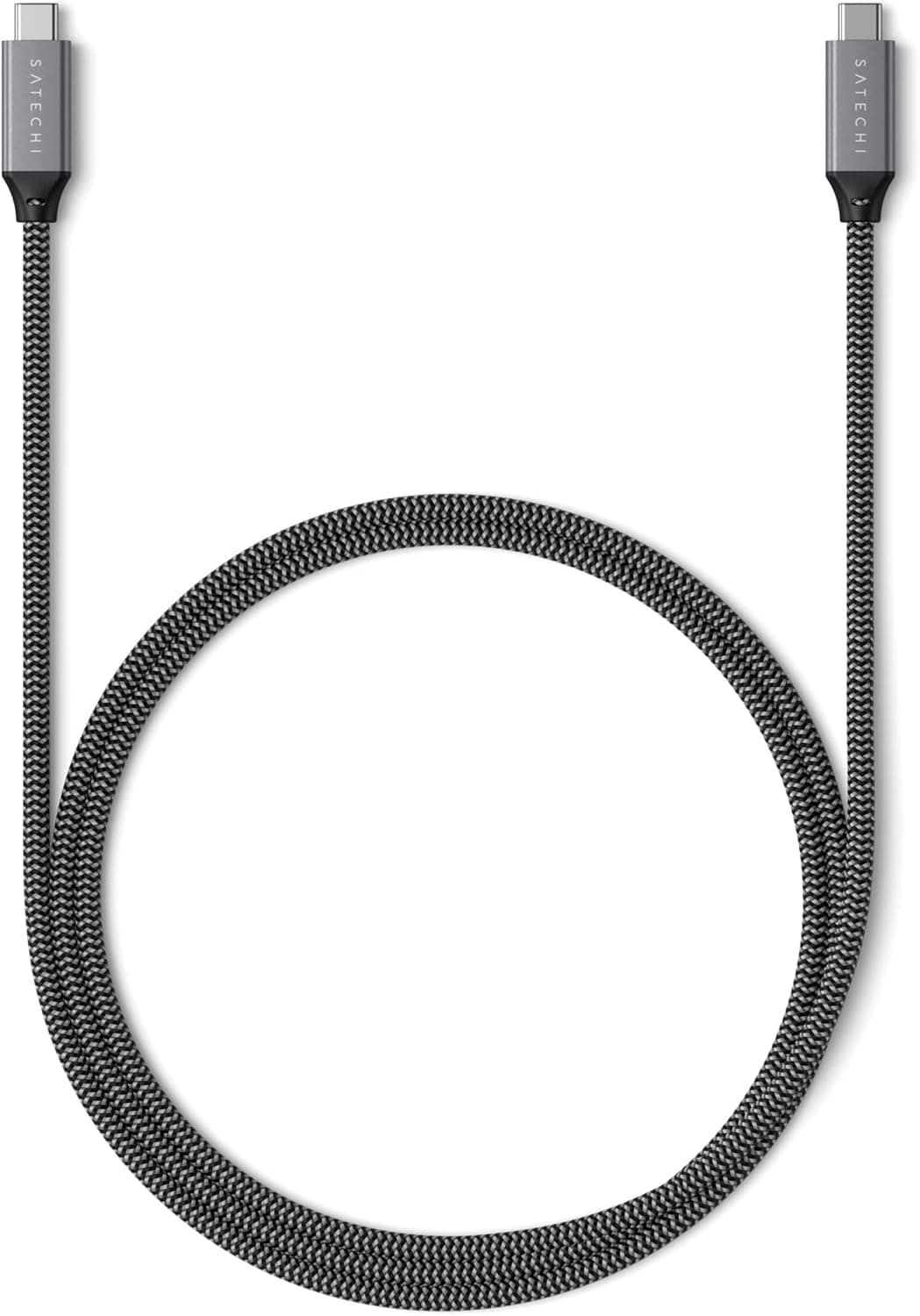
The Anker PowerLine III 240W USB-C Cable is a USB-C to USB-C cable designed for high-power charging, supporting up to 240W via USB Power Delivery 3.1 EPR. Its standout feature is the silicone exterior, which makes it exceptionally soft and tangle-resistant compared to standard PVC or TPE cables. At 1.8 meters, it's long enough for desktop use or bedside charging while remaining portable. Inside, the copper wires are coated with graphene and wrapped in a three-layer silicone construction, passing 25,000 bend tests for impressive durability. The cable stays tangle-free when coiled in a bag or pocket, making it a hassle-free companion for daily carry. Anker markets this as part of their PowerLine III Flow series, targeting users who prioritize cable handling and future-proof power delivery.
Connectivity & Compatibility
Both ends feature USB Type-C connectors. The cable is compatible with any USB-C device: laptops (MacBook Pro/Air, Dell XPS, ThinkPad), tablets (iPad Pro, Galaxy Tab), smartphones (iPhone 15/16/17 series, Galaxy S, Pixel), power banks, and handheld consoles (Nintendo Switch, Steam Deck). It supports USB PD 3.1 EPR, delivering up to 240W (48V / 5A). Data transfer is limited to USB 2.0 speeds (480 Mbps), so it's strictly a charging cable. It does not support DisplayPort Alt Mode for video output or Thunderbolt 3/4 data rates. If you need fast file transfers or external monitor connectivity, look for a Thunderbolt 4 or USB 3.2 Gen 2 cable instead.
Product Info
Released in 2021, the Anker PowerLine III 240W USB-C Cable is widely available through Japan, Anker's official store, and major electronics retailers. Pricing hovers around ¥1,890, which is premium for a USB-C cable but reasonable given the 240W capability and silicone build. Anker offers an 18-month warranty (extendable via registration). The package includes the cable and a silicone cable tie. Market positioning is mid-to-high-end. It's more expensive than typical 100W cables, but the 240W support and unique silicone feel justify the premium for users who value both performance and daily usability.
Best Use Cases
Mobile professionals with high-power laptops: If you carry a MacBook Pro 16-inch (140W charging) or a gaming laptop daily, this cable delivers full power now and is ready for future 240W laptops. Its tangle-free design makes setup in cafes or meeting rooms quick and frustration-free. Anyone tired of stiff, tangled cables: The silicone material is a game-changer for cable management. It coils neatly, doesn't kink, and untangles instantly. If you've ever fought with a stubborn cable in your bag, this is a worthwhile upgrade. Minimalist desk setups: The 1.8m length is ideal for routing behind a desk, and the included silicone tie keeps excess length tidy. However, this cable is not for users who need data transfer or video output. If you regularly connect an external SSD or monitor via USB-C, invest in a Thunderbolt 4 or USB 3.2 Gen 2 cable instead.
Things to Consider
While the cable supports 240W, very few devices currently draw that much power. MacBook Pro 16-inch (2023) maxes out at 140W, so the full 240W headroom is future-proofing rather than an immediate need. If you only charge phones and tablets, a 100W cable will suffice at a lower cost. Data transfer is capped at USB 2.0 speeds (480 Mbps). Do not buy this cable expecting to transfer large files or run an external SSD at full speed. The silicone surface also tends to attract dust and lint more than standard cables; occasional wiping keeps it clean. Direct competitors include Anker's own PowerLine III 100W cable (around ¥1,200) and UGREEN's 240W USB-C cable (around ¥1,500). The 100W option is cheaper if you don't need 240W, but no other major brand offers a 240W cable with a silicone exterior at this price. That combination of high power delivery and premium feel is what sets the PowerLine III Flow apart.
Product Disclosure (Amazon)
- Manufacturer: Anker
- Seller: AnkerDirect
- Fulfilled by: Amazon
- ASIN: B093L5CMMT
- Note: This article covers a manufacturer-made product based on Amazon listing details.