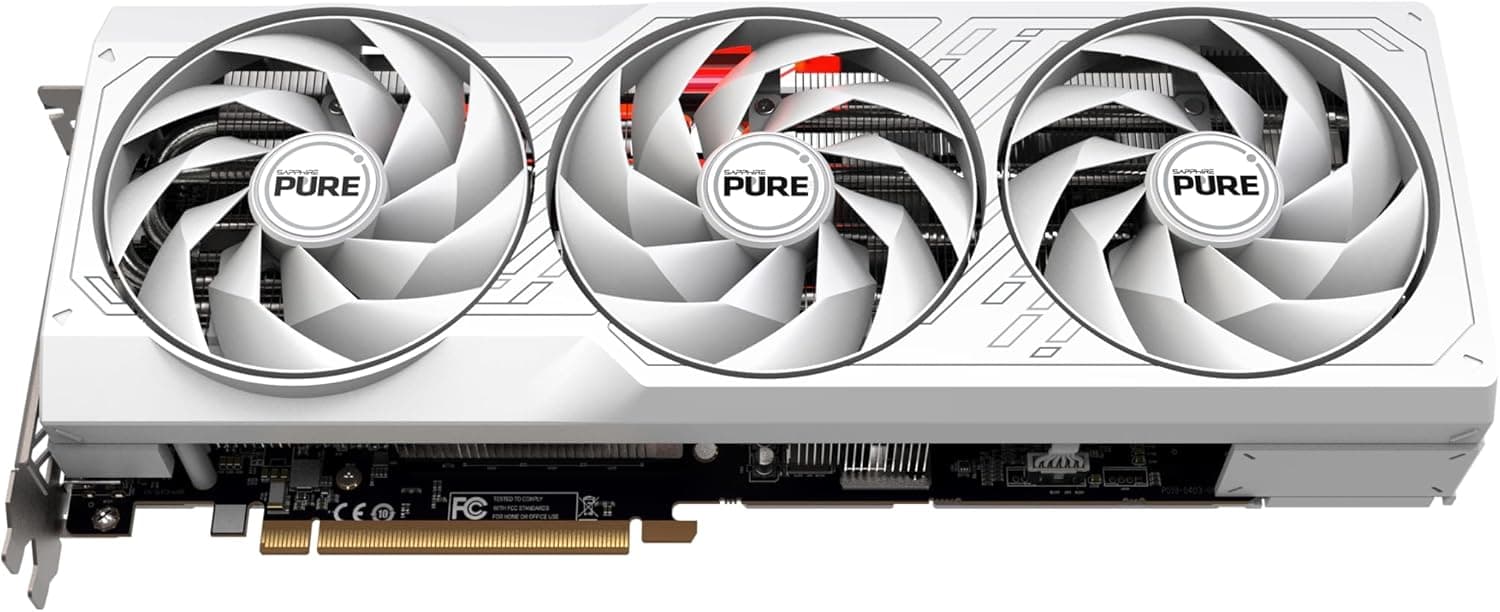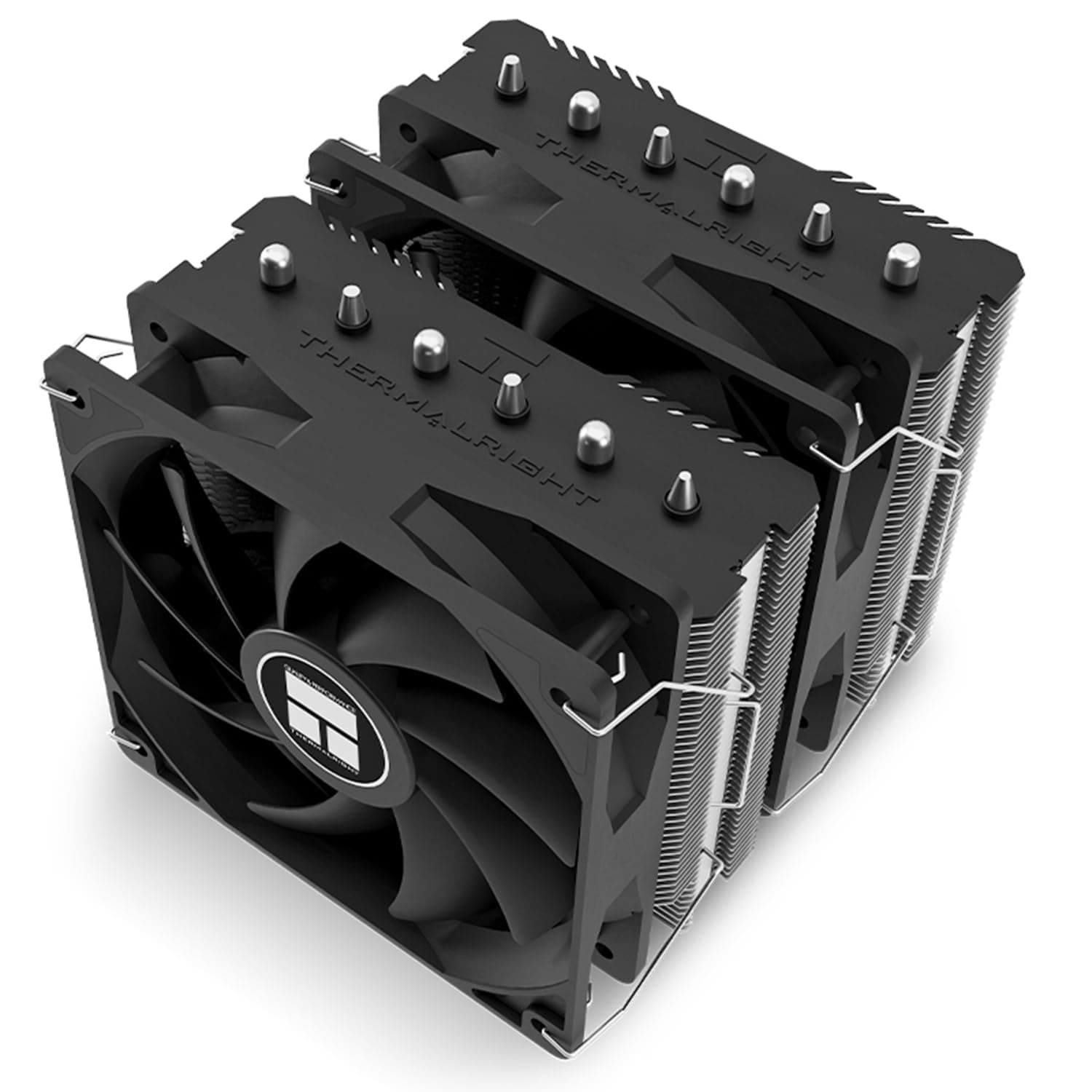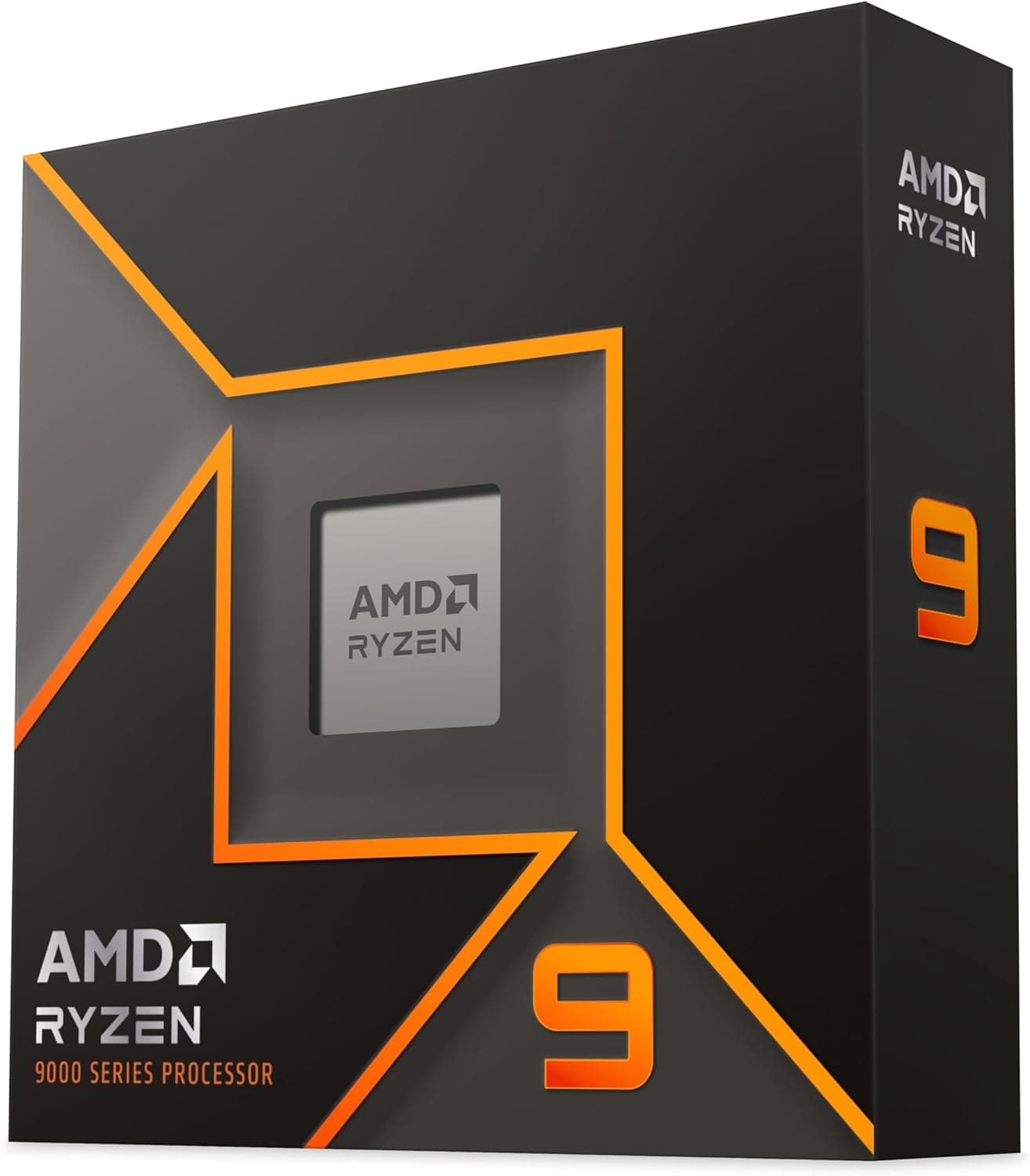
This article covers AMD Ryzen 9 9900X Desktop Processor.
Overview
The AMD Ryzen 9 9900X is a high-end desktop CPU built on the latest Zen5 architecture. With 12 cores and 24 threads, a maximum boost clock of 5.6 GHz, and a 4nm manufacturing process, it delivers excellent performance for gaming, creative work, and streaming. It features a total of 76MB cache (12MB L2 + 64MB L3) and includes an integrated Radeon Graphics GPU, allowing display output without a discrete graphics card. This processor uses the Socket AM5 platform and supports PCIe 5.0 and USB4. The TDP is impressively low at 120W, a significant reduction from the 170W of the previous generation Ryzen 9 7900X, improving power efficiency. It is also unlocked for overclocking, giving enthusiasts room for further performance tuning. Positioned in the high-end segment, the Ryzen 9 9900X competes with Intel's Core i9-14900K. Its strength lies in the balance of multi-threaded performance, single-thread IPC improvements (up to 16% over Zen4), and power efficiency. It is an ideal choice for users who need powerful multi-core performance without excessive power consumption.
Compatibility Guide
The Ryzen 9 9900X uses the Socket AM5 (LGA1718) and is compatible with AMD 600-series (X670E, X670, B650E, B650) and 800-series (X870E, X870, B850) chipsets. Ensure your motherboard BIOS is updated to the latest version for proper support. It supports only DDR5 memory in dual-channel configuration. The optimal memory speed is typically DDR5-6000 for balanced performance. PCIe 5.0 is supported, enabling the fastest SSDs and graphics cards. USB4 is also built-in, offering high-speed external connectivity. A separate CPU cooler is required (no cooler included in the box). We recommend at least a 240mm AIO liquid cooler or a high-end air cooler. For a complete system, a power supply of 850W or higher is recommended to handle the CPU plus a high-end GPU and other components.
Product Info
The AMD Ryzen 9 9900X was released in August 2024. Its retail price is around $440–$550 USD (approx. ¥63,000 in Japan) and carries a standard 3-year warranty from AMD. It is widely available from major PC hardware retailers and online stores. Market positioning: high-end tier with a focus on power efficiency. Compared to the previous generation, the IPC boost and lower TDP make it a compelling option for users who want high performance without extreme heat output. It fits well in performance-oriented builds where CPU power is needed but power bills matter.
Best Use Cases
Gaming and Streaming: The 12-core/24-thread configuration handles modern AAA games while simultaneously running encoding, streaming, and background tasks. The integrated GPU provides a fallback display option. Content Creation: Excellent for 3D rendering, video editing, and compilation. Combined with PCIe 5.0 NVMe SSDs, it offers fast data access and smooth multitasking. * Power-Conscious Enthusiasts: Users who want high-end performance but prefer lower power consumption and heat output. The 120W TDP allows for quieter cooling solutions and reduced electricity costs.
Things to Consider
The Ryzen 9 9900X does not include a stock cooler, so you must purchase a compatible cooler separately. Adequate cooling (240mm AIO or equivalent) is essential for sustained heavy workloads. It only supports DDR5 memory; you cannot reuse DDR4 modules. If you are upgrading from an older platform, you will need new memory along with the motherboard. While the 12 cores are excellent for multi-threaded tasks, pure gaming scenarios may not fully utilize them. A Ryzen 7 or Ryzen 5 model could be more cost-effective if gaming is the primary use. Compared to Intel's Core i9-14900K, the Ryzen 9 9900X offers better power efficiency and the longevity of the AM5 platform (support expected through 2027+). However, some software may still favor Intel's architecture in specific workloads, so check compatibility for your key applications.
![Cooler Master ML 360 Atmos II VRM Fan White ウォーターブロック部にVRM冷却ファン搭載 360mm水冷CPUクーラー [CLM-MLX-D36M-A25SZ-VW]](/_next/image?url=https%3A%2F%2Fm.media-amazon.com%2Fimages%2FI%2F71wVQ8lCdXL._SL1500_.jpg&w=1920&q=75)